 Seattle
 Beacon Hill's Climate Is Hard on Decks
Beacon Hill sits on a ridge above the rest of Seattle, and that elevation cuts both ways. Homes on the west-facing slopes get some of the best views in King County, but they also take the brunt of driving rain off the water with little to break it up. Further inland, mature tree canopy shades many lots for much of the day, which keeps decks damp long after a storm has passed and feeds a moss and algae problem that's tough to stay ahead of. Add in a long, wet Pacific Northwest fall and winter, and you've got the two main enemies of any deck: standing moisture and organic growth that holds it against the wood.
None of that means a deck is doomed. It means a deck built or repaired for this specific neighborhood needs the right drainage, the right fasteners, and an owner who knows what to check for each year. That's the difference between a deck that lasts and one that needs rebuilding every decade.
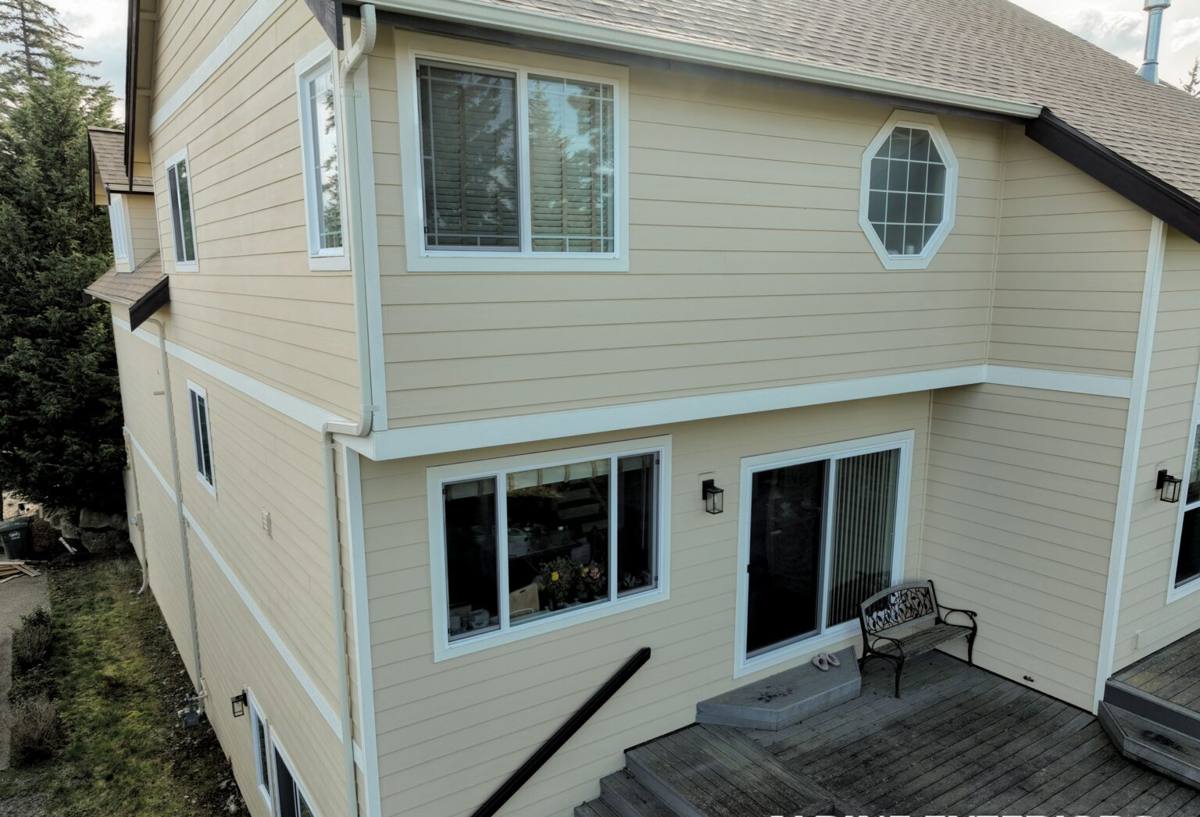
What We Typically Find on Beacon Hill Decks
Moisture and Rot
The most common issue we see is rot starting at the ledger board — where the deck attaches to the house — and at post bases where wood sits close to grade. Shaded, tree-covered lots trap moisture against the structure, and once wood starts to soften, it spreads fast if it isn't caught early.
Moss, Algae, and Slick Surfaces
Long moss season on Beacon Hill means decking boards can stay green and slick well into spring. Beyond being a slip hazard, moss holds water against the board surface, which accelerates wood breakdown and can void the finish on some composite products if it's left to sit.
Corroded or Failing Fasteners
Older decks — and Beacon Hill has plenty of homes from earlier building eras — were often built with fasteners that weren't rated for today's pressure-treated lumber chemistry or for constant coastal-influenced dampness. We regularly find rusted nails, corroded joist hangers, and connections that have simply worked loose over the years.
Structural Movement
Some Beacon Hill lots have real slope to them, and decks built to bridge that grade change put extra load on posts and footings. Combined with years of moisture exposure, we sometimes find settling, wobble, or bounce that points to a footing or ledger problem rather than something cosmetic.
Structural Repair vs. Cosmetic Repair
Not every deck problem is the same kind of problem, and treating a structural issue like a cosmetic one is how small repairs turn into safety hazards.
Cosmetic Issues
Graying boards, surface mildew, minor splintering, and loose railing caps are cosmetic. They affect appearance and comfort but don't threaten the deck's integrity. These are straightforward fixes — cleaning, sanding, board replacement, or refinishing.
Structural Issues
Soft or spongy decking, a ledger board pulling away from the house, cracked or rotted joists, undersized or corroded connectors, and posts that have shifted on their footings are structural. These require a proper assessment of the framing underneath, not just a fresh coat of stain over the top. We always check the framing before we touch the surface, because a beautiful new deck board over a rotted joist doesn't solve anything — it just hides it for another season.
Permits and Code Considerations in Seattle
Seattle has specific requirements for deck construction and repair, particularly around railings, guard heights, ledger attachment, and footing depth. Work that goes beyond simple board or baluster replacement — such as replacing a ledger connection, adding or replacing footings, or altering the structure — can require a permit and inspection. We handle that conversation honestly upfront: if your repair crosses into permit territory, we'll tell you before work starts, not after, so there are no surprises on the back end.
Repair or Replace? A Practical Comparison
Homeowners often ask whether it's worth repairing an aging deck or better to start over. The honest answer depends on how much of the structure is still sound.
| Factor | Repair Usually Makes Sense | Replacement Usually Makes Sense |
|---|---|---|
| Framing condition | Joists and beams are solid, only isolated boards or connectors are affected | Rot has spread through multiple joists or the ledger board |
| Age of structure | Deck is under 15-20 years old with good bones | Deck is original to an older home and was never upgraded |
| Scope of damage | Damage is limited to a section or specific fasteners | Damage is widespread or recurring in the same spots |
| Code compliance | Railings and footings already meet current standards | Railing height, spacing, or footings don't meet current code |
| Budget goal | Extend usable life for a modest cost | Long-term value and full peace of mind matter more than upfront savings |
In most cases, a deck that's structurally sound underneath just needs targeted repair — there's no reason to tear out good framing. But if the framing itself is compromised, patching the surface is a short-term fix that costs more in the long run.
How Our Deck Repair Process Works
1. On-Site Assessment
We start by inspecting the deck from the ground up — footings, posts, ledger connection, joists, and decking surface — not just what's visible from the top. On sloped or shaded Beacon Hill lots, we pay particular attention to moisture patterns and drainage around posts and the ledger.
2. Honest Scope and Options
We tell you plainly what's structural, what's cosmetic, and what your realistic options are — repair, partial rebuild, or full replacement — along with a straightforward cost range for each so you can decide what fits your budget and timeline.
3. Correct the Cause, Not Just the Symptom
If rot is tracing back to poor flashing at the ledger or standing water at a post base, we fix the underlying drainage or flashing issue as part of the repair. Replacing a board without addressing why it failed just means we're back in a year or two.
4. Rebuild with Durable Materials and Fasteners
We use corrosion-resistant fasteners and connectors rated for treated lumber and coastal-influenced moisture, and we flash ledger connections properly rather than relying on caulk alone.
5. Final Walkthrough
Before we consider a job finished, we walk the deck with you, point out what was repaired and why, and go over any simple maintenance steps that will help it hold up in this climate.
Materials: What We Use and Why
Material choice matters more in a wet, shaded climate than in a dry one, so we're direct about the trade-offs rather than pushing one option as universally best.
Pressure-Treated Lumber
Still a solid, cost-effective choice for framing and even decking when properly maintained. It requires periodic sealing and cleaning to perform well through repeated wet-dry cycles, and we're upfront that skipping that maintenance is the single biggest reason treated wood decks fail early.
Composite and Capped Decking
Composite boards resist rot and don't need staining, which appeals to owners on shaded lots who don't want an annual maintenance chore. The trade-off is a higher upfront cost and the fact that composite still needs occasional cleaning — moss and algae will grow on any surface that stays damp, composite included.
Cedar and Other Natural Woods
Cedar has natural rot resistance and a look many homeowners prefer, but it's a softer wood that's more sensitive to installation quality — poor flashing or fastener choice shows up faster in cedar than in denser materials. We only recommend it where the framing and drainage details will be done right, because cedar doesn't forgive shortcuts.
Fasteners and Connectors
Whatever decking material we use, we standardize on connectors and fasteners rated for the moisture exposure this region sees. This is a small line-item cost that prevents the most common repair call we get: hardware that failed years before the wood around it did.
A Beacon Hill Homeowner's Deck Maintenance Checklist
- Sweep leaves, needles, and debris off the deck surface regularly, especially under tree cover where buildup happens fast
- Clean moss and algae off boards each spring before it has a chance to establish for the season
- Check that gaps between boards aren't clogged, since blocked drainage is what lets water sit and soak in
- Inspect the ledger board area where the deck meets the house at least once a year for soft spots or gaps
- Look underneath the deck occasionally for signs of standing water, soft soil, or staining on joists
- Reseal or restain wood decking on the manufacturer's recommended schedule, not just when it looks faded
- Test railings and stair connections by hand for looseness or flex, particularly after winter storms
- Keep gutters and downspouts near the deck clear so roof runoff isn't draining directly onto it
Why Local Experience on Beacon Hill Matters
A crew that only sees a neighborhood occasionally treats every deck the same way. A crew that regularly works Beacon Hill knows which lots hold moisture longer because of tree cover, which older homes are more likely to have outdated flashing or undersized footings, and how the neighborhood's mix of hillside grading and shaded yards changes what a durable repair actually requires. That familiarity means fewer surprises during the assessment and a repair plan that's built around how this specific area behaves through a Seattle winter, not a generic checklist.
We also know that trust matters more than a sales pitch when someone is deciding who gets to work on their home. We give straight answers about what's actually wrong, what it will take to fix it correctly, and what it will cost — no inflated scope, no pressure to replace something that can be properly repaired.
If your deck has soft spots, moss buildup, loose railings, or you just want an honest opinion on its condition, we're happy to take a look. Reach out for a free, no-pressure estimate using the form below, and we'll walk you through exactly what we find and what your options are.