 Seattle
 New Roof Installation in Green Lake
Green Lake sits inland from the Sound but still gets the same weather pattern that wears down roofs across King County: long stretches of low-intensity rain, short dry summers, and enough shade from mature trees around the lake and surrounding blocks to keep roof surfaces damp longer than homes in more open parts of the city. If you're looking at a new roof for a Green Lake home, the job isn't just about swapping old shingles for new ones. It's about building a roof system that can shed water fast, resist moss colonization, and survive the freeze-thaw swings we get most winters without the underlayment or decking failing underneath.
We install new roofs for homeowners in Green Lake and the surrounding Seattle neighborhoods on a regular basis, which matters more than it sounds like it should. A crew that only sees a given climate a few times a year tends to install roofs the same way they would in a drier region — technically to code, but not necessarily built for what actually happens to a roof here over ten or fifteen years of Pacific Northwest weather.
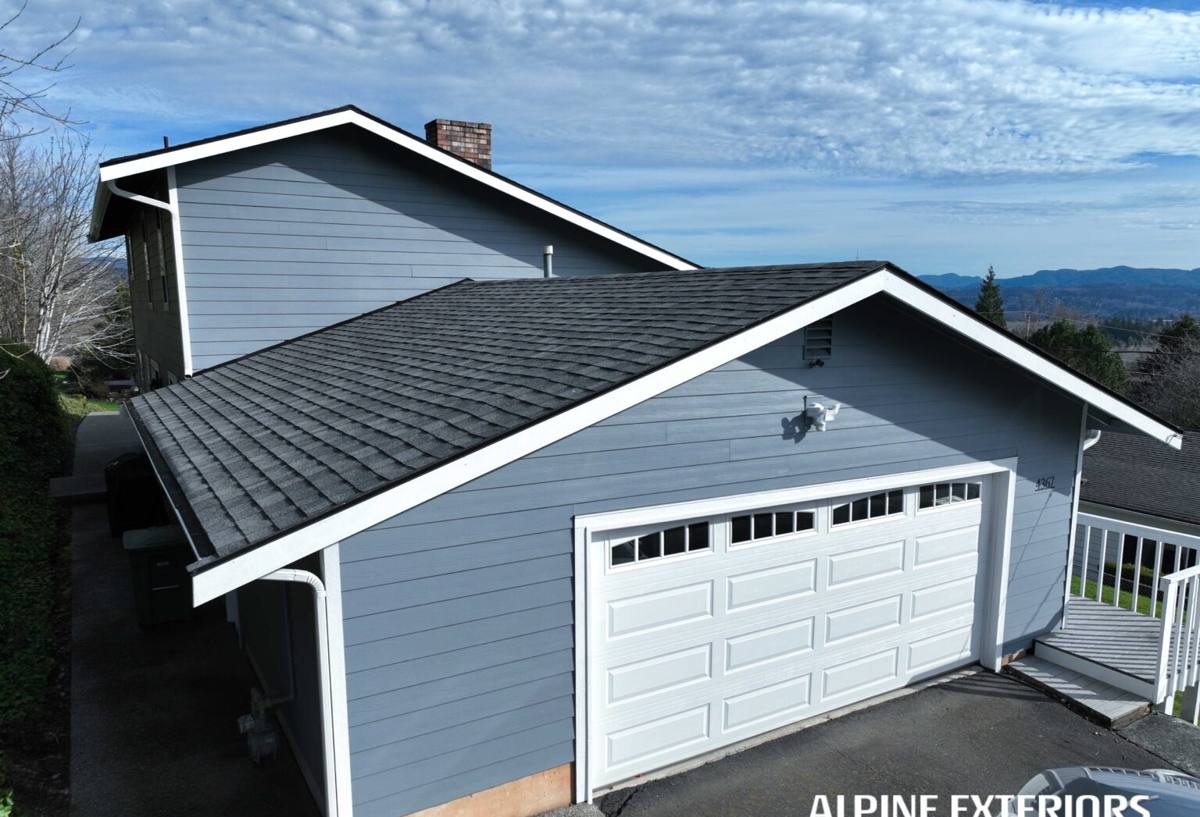
What Green Lake's Climate Does to a Roof
Seattle's roofing challenges aren't dramatic — we don't get hail storms or hurricane winds most years — but they are relentless. That's a different kind of stress on a roof system, and it shows up in specific, predictable ways.
Moss and Organic Growth
The tree cover around Green Lake, combined with our long wet season, creates ideal conditions for moss, lichen, and algae to take hold on roof surfaces. Moss isn't just cosmetic. It holds moisture against the roofing material, works its way under shingle tabs and into seams, and over years can lift shingles enough to let water through. North-facing slopes and sections shaded by trees are usually hit hardest.
Driving Rain and Wind-Driven Water
Rain here doesn't always fall straight down. Wind off the lake and through the neighborhood can push rain sideways under improperly lapped shingles or poorly sealed flashing, especially around chimneys, skylights, and roof-to-wall transitions. A roof that looks fine from the ground can still be letting water in at these detail points.
Freeze-Thaw Cycling
King County doesn't get extreme cold, but we do get repeated freeze-thaw cycles through winter — nights near or below freezing followed by daytime thaw. Water that's worked its way into small cracks or seams expands when it freezes, widening the damage a little more each cycle. Over a decade, this is one of the main reasons older roofs start failing from the inside out, not just the surface.
Prolonged Dampness
Long dry sunny stretches that fully dry out a roof deck are less common here than in other parts of the country. That means underlayment quality and attic ventilation matter more in Green Lake than in a dry climate — a marginal install can survive years in Arizona and fail in five in Seattle.
Signs a Green Lake Roof Needs Replacing, Not Just Repairing
Not every roof problem calls for a full replacement, but there's a point where patching stops being the honest recommendation. Here's what we look for during an inspection to make that call.
- Shingles that are cupping, curling, or missing granules across large sections, not just one isolated spot
- Soft or spongy decking felt underfoot in the attic or from the roof surface, indicating trapped moisture
- Daylight visible through the roof deck from inside the attic
- Heavy, established moss growth that keeps returning after cleaning
- Multiple layers of old roofing already in place, which limits repair options and adds weight
- Roof age at or past the manufacturer's expected service life for the material installed
- Recurring leaks in different locations each season, suggesting widespread underlayment failure rather than one bad spot
- Visible sagging along the roofline or ridge
What a Correct New Roof Installation Includes
A new roof is only as good as what's underneath the shingles. We build every installation around a few non-negotiables, especially given our climate.
Full Tear-Off and Deck Inspection
We remove old roofing down to the deck rather than layering over it. This lets us actually see the plywood or plank decking underneath and replace any sections that have rotted or delaminated from years of trapped moisture — a step you simply can't do properly with an overlay.
Ice and Water Barrier at Vulnerable Zones
Eaves, valleys, and areas around penetrations get a self-adhering waterproof membrane underneath the main underlayment. This is standard practice everywhere, but it's especially important here because these are the exact spots where wind-driven rain and ice damming during cold snaps cause the most damage.
Synthetic Underlayment Across the Field
We use synthetic underlayment rather than older felt products for the bulk of the roof. It holds up better to the repeated wet-dry cycling typical of a Seattle winter and gives the deck an extra layer of protection during construction if weather moves in mid-project, which it often does here.
Proper Flashing at Every Transition
Chimneys, skylights, sidewalls, and roof-to-wall intersections are where most leaks actually start, not the open field of shingles. We install new flashing rather than reusing old pieces, and we take the time to get the laps and seals right the first time.
Balanced Attic Ventilation
Intake and exhaust ventilation need to work together to keep the underside of the deck dry and to prevent ice damming in winter. A roof can be installed perfectly and still fail early if the attic underneath is trapping moisture or overheating.
Roofing Material Options for Green Lake Homes
There's no single "best" roofing material for every home — it depends on your roof's pitch, your home's style, your budget, and how much long-term maintenance you're willing to take on. Here's how the common options stack up for our climate specifically.
| Material | Moss/Moisture Resistance | Typical Lifespan | Maintenance |
|---|---|---|---|
| Architectural Asphalt Shingles | Good, especially with algae-resistant granules | 25-30 years | Periodic moss removal recommended |
| Standing Seam Metal | Excellent — sheds moisture, little surface for moss to grip | 40-60+ years | Low; occasional debris clearing |
| Cedar Shake | Requires diligent upkeep in our climate to resist rot and moss | 20-30 years with maintenance | High — regular treatment and cleaning |
| Composite/Synthetic Shake | Good; engineered to resist moisture absorption | 30-50 years | Low to moderate |
We install a range of these materials and will walk you through the honest trade-offs for your specific roof rather than steering you toward whatever's easiest for us to install. Cedar shake, for example, can look great on the right home, but it demands a maintenance commitment that not every homeowner wants to take on given how much moisture our region holds onto through the year. That's a decision point we'll lay out plainly, not a knock on the material itself.
Our Installation Process
Every roof project follows the same basic sequence, though the details flex based on your home's specific layout and roof condition.
- On-site inspection and estimate. We walk the roof (or use appropriate access methods for steep or high roofs), check the attic, and give you a straightforward assessment of what's needed.
- Material selection. We go over options that fit your home, budget, and how much upkeep you want to deal with long-term.
- Scheduling around weather. Seattle roofing work runs on a tighter weather window than drier climates. We plan installs to minimize the roof being open to the elements and adjust for incoming systems when needed.
- Tear-off and deck repair. Old roofing comes off, decking gets inspected, and any damaged sections are replaced before anything new goes down.
- Underlayment, flashing, and ventilation work. This is the layer that actually determines how long your roof performs, done before a single shingle or panel goes on.
- New roofing installation. Installed to manufacturer specifications, not shortcuts, with attention to the details that matter most in wet climates.
- Final walkthrough and cleanup. We check the completed roof with you, clear debris and nails from the property, and answer any questions before we consider the job done.
Questions Worth Asking Before You Hire
- Does the crew do a full tear-off, or will they install over existing layers?
- What underlayment and ice-and-water barrier products are included, and where are they used?
- Who handles flashing — is it replaced or reused?
- Is attic ventilation assessed as part of the job, or treated as a separate issue?
- What's covered under workmanship warranty versus manufacturer material warranty?
- Is the crew licensed and insured to work in Washington state?
Why a Local Green Lake Crew Matters
A roof installed by a crew that regularly works Seattle neighborhoods understands things that don't show up in a generic install checklist — how much ventilation a Green Lake attic actually needs given the tree cover and humidity, which flashing details tend to fail first on homes exposed to wind off the lake, and how to sequence a project around our unpredictable rain patterns so the deck isn't sitting exposed longer than it needs to be. It also means someone is nearby and familiar with your home if a question comes up after the job is finished, rather than a crew that installed one roof in the area and moved on.
Cost Factors for a New Roof
Every roof is priced based on the specifics of the job, but the same handful of factors drive most of the variation between homes.
| Factor | Why It Affects Cost |
|---|---|
| Roof size and pitch | More square footage and steeper slopes both increase labor and material needs |
| Material choice | Asphalt, metal, and composite products carry different material and installation costs |
| Deck condition | Rotted or damaged decking found during tear-off requires repair before new roofing goes on |
| Number of penetrations | Chimneys, skylights, and vents each require additional flashing and labor |
| Access and layout | Steep roofs, multiple stories, or tight lot access can increase labor time |
| Tear-off scope | Removing multiple existing layers takes more time than a single-layer tear-off |
We're not going to throw out a number without seeing your roof — anyone who quotes a full roof replacement over the phone without an inspection is guessing. What we can tell you is that a proper full-replacement estimate should account for every item above, not just square footage and shingle price.
Maintaining Your New Roof in Green Lake's Climate
A well-installed roof still benefits from basic upkeep, particularly here.
- Keep gutters clear of leaves and debris so water can actually drain off the roof edge
- Have moss growth addressed before it becomes established, rather than after it's built up over a season
- Trim back tree branches that overhang the roof to reduce shade, debris, and abrasion
- Schedule a periodic visual inspection, especially after major windstorms
- Address any interior water stains or attic moisture signs promptly rather than waiting
If you're weighing a new roof for your Green Lake home, we're happy to take a look and give you a straight assessment — no pressure, no upsell, just an honest read on what your roof actually needs. Reach out for a free estimate using the form below.