 Seattle
 Building a Deck That Actually Holds Up in Kirkland
Kirkland sits close enough to Lake Washington and the broader Puget Sound weather pattern that decks here take a different kind of beating than decks in drier parts of the country. It isn't dramatic weather — no hurricanes, no hail storms — it's the slow, steady stuff: months of drizzle, humid air off the water, shade from mature trees, and a moss season that can stretch from October into April. A deck built without that reality in mind will look fine for a year or two and then start showing problems that are expensive to fix later. A deck built for it will still look good a decade in.
This page is about deck building specifically for Kirkland homes — what the climate demands, what a correct build actually involves, and how we approach the job when we're out working in this part of King County.
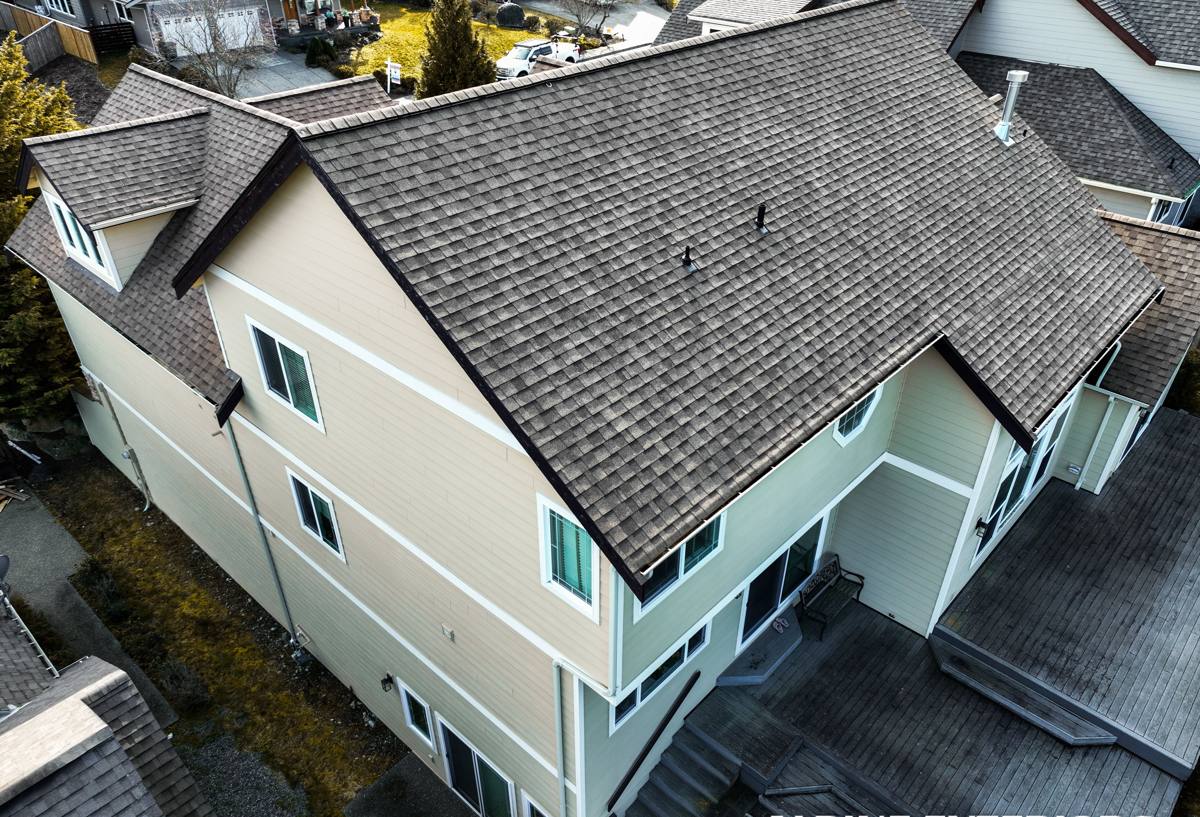
What Kirkland's Climate Does to a Deck
Seattle-area weather is often described as mild, and in terms of temperature swings, it is. But mild temperatures paired with long stretches of moisture are exactly the conditions that cause slow deterioration in outdoor structures. A few specific issues show up again and again on decks in this area:
- Moss and algae growth on horizontal surfaces that don't get much direct sun, especially decks shaded by trees or the north side of a house
- Trapped moisture in joints, fastener holes, and end grain where boards were cut but not properly sealed
- Slow wood rot at ledger boards, post bases, and anywhere water can sit against structural framing without draining or drying
- Slippery surfaces from moss and algae film, which is a real safety issue on stairs and landings
- Fastener corrosion when the wrong hardware is used, leading to staining and weakened connections over time
None of this is unique to any one property — it's the baseline condition for outdoor wood and composite structures anywhere near Lake Washington. The difference between a deck that ages well and one that doesn't usually comes down to decisions made during the build, not the weather itself.
Why the Ledger Connection Matters Most
The ledger board — where the deck attaches to the house — is the single most important connection on the whole structure, and it's also the spot most exposed to hidden water intrusion. In a climate with this much sustained moisture, proper flashing at the ledger isn't optional trim work, it's the difference between a deck that stays structurally sound and one that quietly rots the band joist behind your siding. This is one of the most common issues we find when we're asked to look at an older deck for repair rather than replacement.
Decking Material Options for This Climate
There's no single "right" material for every Kirkland home — it depends on budget, how much upkeep you want to do, and how the deck will be used. Here's how the common options actually compare in a wet, moss-prone climate:
| Material | Moisture Performance | Maintenance | Typical Lifespan Here |
|---|---|---|---|
| Pressure-treated lumber | Good if sealed and maintained; end cuts need field treatment | Annual cleaning, periodic sealing | 15-20 years with upkeep |
| Cedar | Naturally moisture and insect resistant, but still needs care | Periodic cleaning and oiling to prevent graying and moss | 15-20 years with upkeep |
| Composite decking | Excellent — doesn't absorb water or rot | Occasional washing to keep moss and algae from gripping the surface texture | 25-30+ years |
| PVC decking | Excellent — fully synthetic, no organic material for moss to feed on | Low; occasional rinsing | 25-30+ years |
Composite and PVC products have become popular in this region specifically because they don't give moss and algae the organic material to root into the way wood grain does. That said, a well-built and properly maintained wood deck is still a perfectly reasonable choice, and often the right one for homeowners who like the look and don't mind the upkeep. We'll walk through the honest tradeoffs for your situation rather than pushing one material as a blanket answer.
What a Correctly Built Deck Includes
A deck that's going to hold up through repeated wet seasons needs more than good-looking boards on top. The parts you don't see matter more than the parts you do:
- Proper ledger flashing with a drainage gap or flashing tape system that keeps water from tracking behind the house siding
- Joist tape or a comparable protective barrier on top of framing lumber to stop water from soaking into cut and drilled surfaces
- Corrosion-resistant, code-rated fasteners and structural hardware suited for pressure-treated lumber
- Post bases set to keep wood off standing water and concrete
- Adequate gapping between boards for drainage and airflow, sized correctly for the material
- A ledger-to-foundation or ledger-to-framing connection engineered for the actual load, not just eyeballed
- Proper footing depth and sizing for our soil and frost conditions
Skipping any of these to save time or money on the front end almost always costs more later, either in repair work or in a deck that needs to be rebuilt years ahead of schedule.
Sun Exposure and Layout Matter More Than People Expect
In a lot of Kirkland neighborhoods, mature trees and lot orientation mean parts of a deck sit in shade most of the day. That shade is exactly where moss takes hold fastest. When we're designing a new deck or replacing an old one, we factor in orientation, expected shade patterns, and drainage slope — small layout decisions that make a real difference in how much moss and moisture buildup you deal with year to year.
Our Process for a Kirkland Deck Project
- On-site assessment — we look at the house connection point, grade, drainage, sun exposure, and existing structure if this is a replacement
- Material and design conversation — honest pros and cons for your budget, maintenance preference, and how you actually plan to use the space
- Permitting — most deck projects in King County require a permit; we handle that process so it's done correctly rather than skipped
- Structural build — footings, framing, ledger flashing, and joist protection done to code, not just to look finished from above
- Decking installation — proper fastening, spacing, and finishing for the material chosen
- Final walkthrough — we go over the finished deck with you, including basic maintenance guidance specific to our climate
Repair, Rebuild, or Replace?
Not every aging deck needs to be torn out. If the structural framing is sound and the problems are cosmetic — graying wood, surface moss, a few loose boards — repair and refinishing can add years of life for a fraction of replacement cost. But if we find rot at the ledger, soft framing, or footings that have shifted, patching the surface just hides a structural problem that will keep getting worse. Part of an honest assessment is telling you which category your deck actually falls into, even when the answer is "this needs to be rebuilt."
Maintenance That Actually Matters Here
Whatever material you choose, a small amount of seasonal upkeep goes a long way in this climate:
- Clear leaves and debris from between boards before fall rains set in — trapped organic matter is what feeds moss growth
- Rinse or wash the deck surface at least once a year, more often in shaded areas
- Check and re-seal wood decking on the schedule appropriate to the product, typically every 1-2 years
- Keep gutters and downspouts near the deck clear so runoff isn't draining directly onto or under it
- Walk the structure occasionally and check for soft spots, loose fasteners, or standing water at the ledger
Why a Crew That Already Works Kirkland Makes a Difference
Building a deck correctly for this climate isn't a matter of exotic technique — it's a matter of not skipping the boring, hidden steps that matter most here: ledger flashing, joist protection, correct fastener choice, and layout decisions that account for shade and drainage. A crew that regularly works in Kirkland and the wider King County area has already seen how decks age in this exact weather pattern, which means fewer assumptions and fewer surprises during the build. That familiarity is worth something you can't get from a generic national contractor working off a standard spec sheet built for a drier climate.
If you're planning a new deck or need an honest look at one that's showing its age, we're happy to come take a look. The estimate is free and there's no pressure — just a straight assessment and clear options. You can request one using the form below.