 Seattle
 Magnolia's Peninsula Setting Puts Extra Stress on Siding
Magnolia sits out on its own peninsula, wrapped on three sides by Puget Sound and Elliott Bay, with a mix of bluff-top lots, wooded ravines, and quiet residential streets in between. That geography is part of what makes the neighborhood desirable, but it's also what makes exterior siding work here different from a job in a flatter, drier part of King County. Homes closer to the water pick up salt-laden air and wind-driven rain off the Sound. Homes tucked under mature tree canopy get shade, falling debris, and the kind of persistent dampness that feeds moss and algae for most of the year. Many Magnolia properties deal with some combination of both — salt exposure on one side of the house, moss creep on the other.
Board and batten siding can look great on Magnolia homes, but only if it's built and installed with this specific climate in mind. A product or installation method that works fine in a dry inland suburb can fail early here.
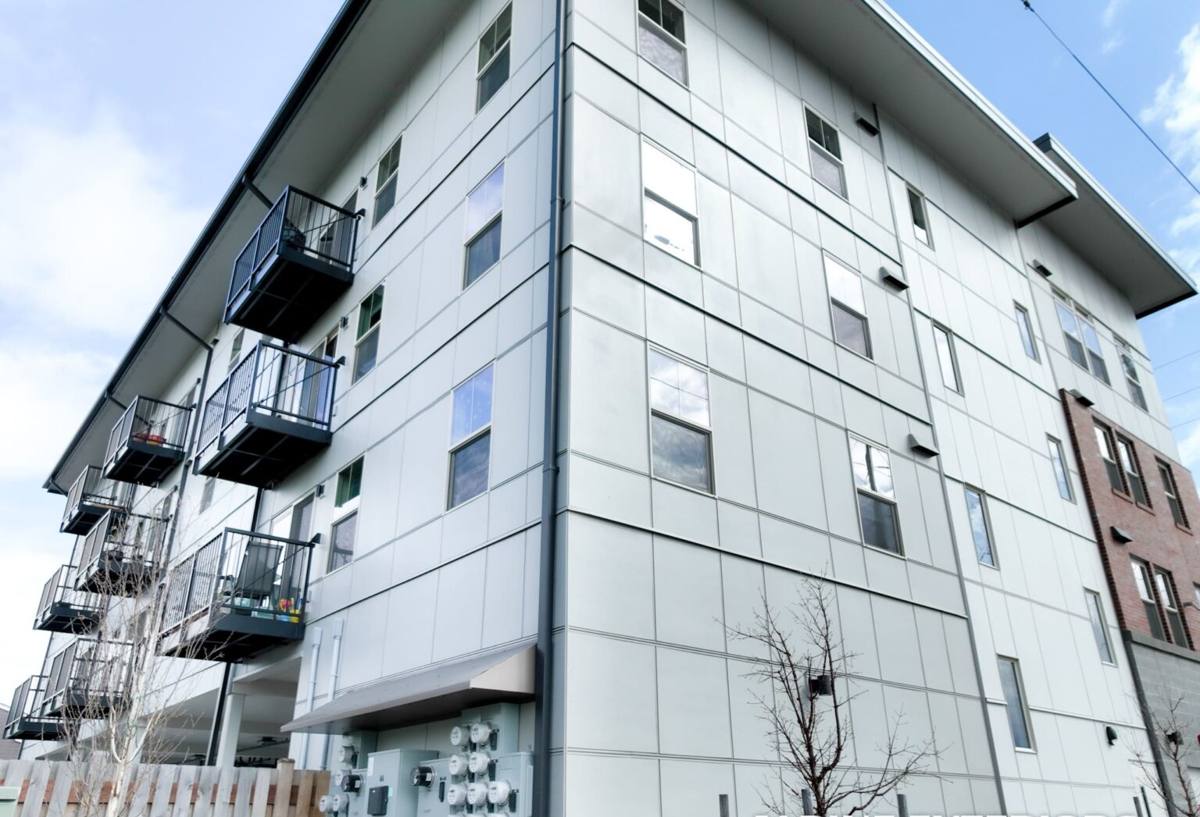
What Board & Batten Adds to Magnolia's Housing Stock
Board and batten is a vertical siding pattern — wide boards installed with narrow strips (battens) covering the seams between them. It reads as more textured and architectural than flat lap siding, and it pairs naturally with the craftsman, modern farmhouse, and contemporary styles common throughout Magnolia's mix of older homes and newer builds and remodels. It's frequently used as a full-home siding choice or as an accent on gables, dormers, and entry features against a field of lap siding.
The vertical lines tend to suit taller, narrower homes and homes on sloped lots particularly well — common conditions on Magnolia's hillier streets — because the pattern draws the eye upward rather than emphasizing a home's width.
Why We Only Install Board & Batten in James Hardie Fiber Cement
We install James Hardie fiber cement exclusively. We don't install vinyl board and batten, LP SmartSide, Cemplank, Allura, or primed wood board and batten, and in a climate like Magnolia's, that's not a marketing position — it's a maintenance and durability call.
The Problem With Wood and LP SmartSide Board & Batten
Wood and wood-based composite siding (like LP SmartSide) rely on an intact paint or coating layer to keep moisture out. In a neighborhood with long wet seasons, heavy tree cover, and salt-humid air near the water, that coating takes a beating. Once moisture finds a crack, seam, or fastener hole, wood-based products can swell, delaminate at the edges, or begin to rot from the inside — often before it's visible from the ground. Repainting and edge-sealing on a wood or engineered-wood board and batten home isn't optional maintenance here; it's a recurring cost to keep the product doing its job.
The Problem With Vinyl Board & Batten
Vinyl board and batten is low-maintenance in the sense that it doesn't rot, but it's a thin plastic product that moves with temperature and can crack or warp with age and impact. It doesn't hold paint (so you're locked into the factory color for the life of the product), and in a wet, moss-prone climate, vinyl's overlapping panel joints and hollow profile can trap moisture and organic growth behind the panel where you can't see or clean it. It also isn't the material we'd choose to stand behind with a strong warranty on a coastal property.
Why James Hardie
James Hardie fiber cement is non-combustible, doesn't rot, and is manufactured with climate-specific HZ formulations engineered for wetter regions like ours. Its factory-applied ColorPlus finish is baked on under controlled conditions, which holds up better against UV and moisture than field-applied paint, and it comes with a strong transferable warranty backing both the material and the finish. It's the product we're willing to install and stand behind on Magnolia homes.
What a Correct Board & Batten Installation Involves
Board and batten is easy to install poorly and much harder to install correctly. The visible boards and battens are the least of it — what happens behind them determines whether the siding lasts 10 years or 40.
Drainage Plane and Rainscreen Gap
In a climate with as much driving rain as ours, siding needs somewhere for incidental moisture to drain and dry out. That means a proper water-resistive barrier against the sheathing, and ideally a rainscreen gap (typically created with vertical furring strips) behind the boards so water that gets past the outer layer can drain down and air can circulate to dry the assembly. Installing board and batten flat against the sheathing with no gap traps moisture against the wall — exactly the wrong approach for a neighborhood with Magnolia's rainfall and shaded, slow-drying wall sections.
Fastening and Flashing
Every board needs to land on solid framing or blocking, with fasteners spaced and set to manufacturer specification — not just "close enough." Flashing at windows, doors, and any horizontal trim has to be layered correctly (upper layers over lower ones) so water sheds outward rather than behind the siding. Near the Sound, fastener choice matters more than usual — corrosion-resistant fasteners rated for coastal or high-moisture exposure hold up where standard fasteners can streak or weaken over time.
Caulking and Joints
Board and batten has more vertical seams than lap siding, and every one of them is a potential water entry point if it's caulked poorly or left unsealed. We use quality, paintable sealant rated for exterior use, applied to manufacturer spec, at every joint that calls for it — not as a substitute for good flashing, but alongside it.
| Installation Approach | What It Means for the Home |
|---|---|
| Direct-to-sheathing (no gap) | Lower material cost up front, but no drainage path — moisture that gets behind the siding has nowhere to go, which is a real risk in Magnolia's wet, shaded microclimates. |
| Furring-strip rainscreen system | Slightly more labor and material, but creates a drainage and drying gap behind the siding — the approach we use on Magnolia homes, especially anything under tree cover or facing the water. |
Local Climate Factors We Build For in Magnolia
Three things show up over and over on Magnolia siding jobs:
Salt air near the water. Homes closer to the Sound-facing edges of the peninsula deal with airborne salt that can accelerate corrosion on unprotected metal — fasteners, flashing, and trim accessories. We spec corrosion-resistant hardware on these homes as standard practice, not an upgrade.
Wind-driven, driving rain. Rain in Seattle doesn't always fall straight down — exposed sides of Magnolia homes can take rain at an angle for hours during a storm system off the Sound. That's precisely the condition a proper drainage plane and correctly layered flashing are built to handle.
A long moss season. Mature tree cover across much of Magnolia means shaded, slow-drying wall sections — often north- or west-facing — stay damp longer and are prone to moss and algae growth for much of the year. Fiber cement resists the kind of surface breakdown that lets organic growth get a foothold the way it can on aging wood, but any siding benefits from airflow behind it and periodic gentle cleaning in these spots.
Our Process for Magnolia Homeowners
- On-site inspection of the existing siding, sheathing, and any moisture or rot issues, with particular attention to shaded and water-facing walls.
- A written plan covering board width, batten spacing, trim details, color, and whether a full rainscreen retrofit is needed.
- Careful removal of old siding and inspection of the sheathing underneath before anything new goes up.
- Installation of the water-resistive barrier, furring strips, and James Hardie boards and battens to manufacturer spec.
- Flashing, caulking, and detail work at every window, door, and trim transition.
- Final walkthrough so you understand what was done and how to maintain it going forward.
Maintenance in a Moss-Prone, Salt-Air Climate
James Hardie fiber cement is low-maintenance compared to wood or engineered wood, but "low-maintenance" isn't "no-maintenance" in a climate like this one. A short seasonal check keeps small issues from becoming expensive ones.
- Rinse siding gently once or twice a year, especially on shaded or north-facing walls where moss and algae are more likely to build up.
- Keep gutters clear and downspouts directed away from the wall — clogged gutters near the roofline are a common source of concentrated water damage on siding below.
- Trim back tree branches and shrubs that keep a wall section shaded and damp longer than the rest of the house.
- Check caulked joints every couple of years and have any cracked or missing sealant redone before winter.
- Watch for any soft spots, staining, or bubbling paint near ground level or around window trim — early signs of a flashing or drainage issue worth checking.
Cost Factors for Board & Batten in Magnolia
Every home is different, but these are the factors that most often move the price on a Magnolia board and batten project:
| Factor | Why It Matters |
|---|---|
| Existing siding removal | Tear-off and disposal of old wood, vinyl, or aluminum siding adds labor before new siding can go on. |
| Sheathing condition | Rot or moisture damage found underneath the old siding needs repair before installation — common on older homes near the water. |
| Rainscreen retrofit | Adding a proper drainage gap on a home that didn't have one is additional labor, and the right call in most of Magnolia's wetter, shadier lots. |
| Home height and access | Steep or bluff-adjacent lots, multi-story sections, and tight side-yard access can add time and equipment cost. |
| Board width and trim detail | Wider boards and more elaborate trim around windows, corners, and gables take more material and labor than a simple field. |
If you're weighing board and batten siding for a home in Magnolia, we're happy to take a look and walk you through what your specific home needs — no pressure, no obligation. Fill out the form below for a free estimate.