 Seattle
 Building Decks for a Neighborhood That Sits Right on the Water
Magnolia is one of the more exposed residential pockets in Seattle. Much of the neighborhood sits on a bluff overlooking Puget Sound, which means homes here deal with a combination most inland King County properties don't: salt-laden air coming off the water, wind that isn't blocked by much, and rain that comes in sideways during a good chunk of the year. A deck built with generic, one-size-fits-all specs will show its age here faster than it should — graying wood, soft spots at the ledger, moss creeping across the boards by the second winter.
We build and replace decks for homeowners in this area regularly, and the design and material choices we make are shaped directly by those conditions. This page walks through what that actually looks like — not marketing language, just the practical decisions that separate a deck that holds up from one that needs attention every few years.
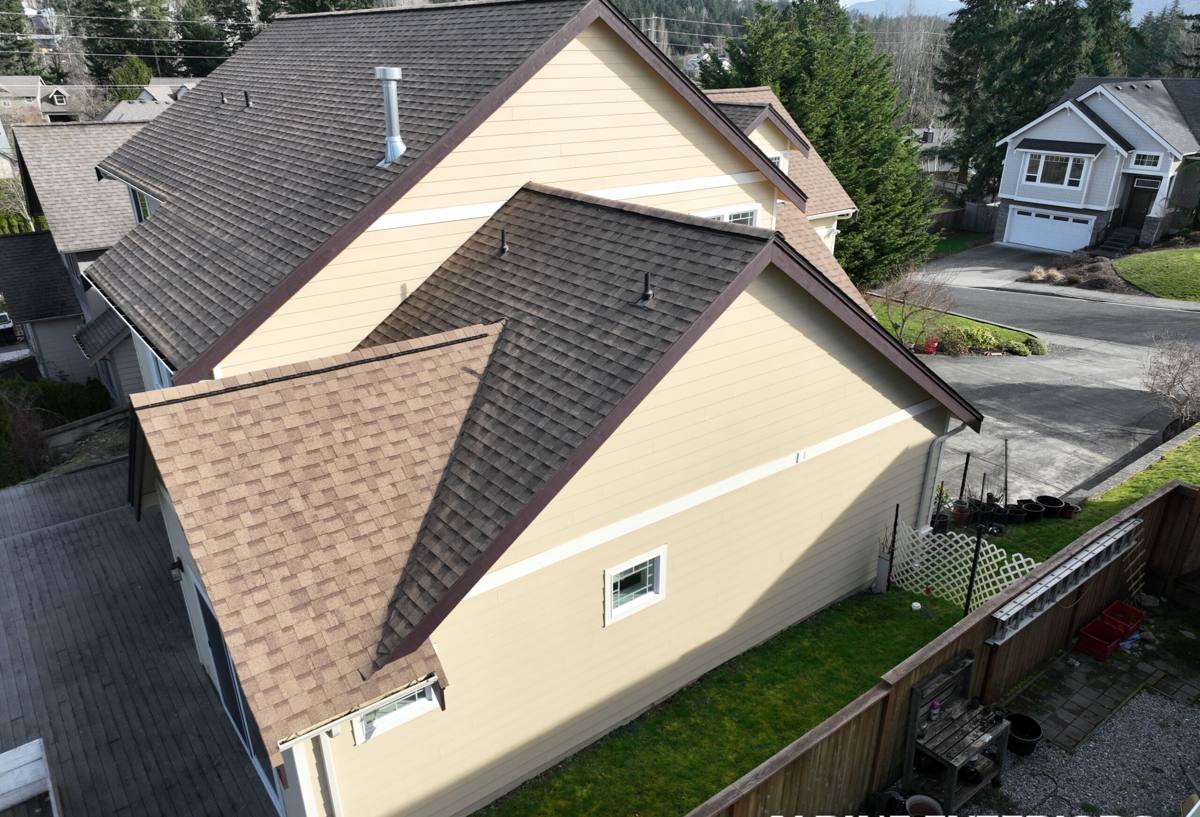
What Magnolia's Climate Actually Does to a Deck
Salt Air and Metal Fatigue
Proximity to Puget Sound means airborne salt exposure, even on homes that aren't waterfront. Salt accelerates corrosion on any exposed metal — fasteners, joist hangers, railing hardware. Standard galvanized hardware can start showing rust streaks and pitting well before a deck's structural lifespan is up, especially on the side of the house facing the water or prevailing wind.
Driving Rain and Water Intrusion
Seattle's rain isn't usually heavy in the sense of downpours, but it's persistent and often wind-driven, which pushes water into places a vertical-rain assumption wouldn't reach — under railing caps, behind ledger boards, into end-grain cuts that weren't sealed. Over time, that's how rot starts, almost always from the inside out rather than from the visible surface.
The Long Moss Season
Between the shade many Magnolia lots get from mature trees and the extended damp stretch from fall through spring, moss and algae have a long runway to establish themselves on horizontal wood and composite surfaces. Once moss takes hold on decking, it holds moisture against the board surface, which speeds up whatever decay process was already happening underneath.
Comparing Decking Materials for This Climate
There's no single "best" decking material — it depends on how much maintenance you want to do and what you're trying to get out of the deck's appearance. Here's how the common options actually perform under Magnolia's specific conditions.
| Material | Salt Air / Moisture Resistance | Moss & Algae Resistance | Maintenance Required | Typical Lifespan |
|---|---|---|---|---|
| Pressure-treated fir/pine | Fair — treatment protects against rot but fasteners still corrode | Low — porous surface holds moisture | Annual cleaning, re-stain every 2-3 years | 15-20 years |
| Cedar | Good — naturally rot-resistant, but surface still weathers | Fair — needs regular cleaning to stay ahead of it | Cleaning and oil/sealant every 1-2 years | 15-25 years |
| Capped composite | Very good — non-porous surface sheds moisture | Good — resists staining, still needs periodic washing | Occasional washing, no staining or sealing | 25-30+ years |
| PVC/vinyl decking | Excellent — fully synthetic, unaffected by moisture | Good to very good depending on surface texture | Occasional washing | 30+ years |
| Tropical hardwood (ipe and similar) | Excellent — dense, naturally weather-resistant | Fair — dense surface but still needs cleaning | Periodic oiling to maintain color, otherwise low | 30-40 years |
We steer most Magnolia clients toward capped composite or PVC for main deck surfaces, not because wood or cedar are bad products, but because the maintenance burden of a porous, uncapped wood surface in this specific climate is real and ongoing. If you want the look of cedar and are willing to stay on top of the upkeep, we'll build with it — that's an honest tradeoff conversation we have on-site, not a one-size answer.
The Structural Details That Actually Determine Longevity
Ledger Attachment and Flashing
The ledger board — where the deck attaches to the house — is the single most common failure point on decks in wet climates. Wind-driven rain gets behind poorly flashed ledgers and rots the rim joist and sheathing behind it, often invisibly until the deck starts to feel spongy. We flash every ledger connection properly and use structural fasteners rated for the load and exposure, not just whatever's fastest to install.
Fastener and Hardware Selection
Given the salt air, we default to stainless steel or heavy-coated fasteners and hardware on Magnolia jobs, particularly on any deck with a water-facing exposure. It costs more upfront than standard galvanized hardware. It also means you're not dealing with rust streaks bleeding down your decking or a corroded joist hanger failing years before the wood around it would.
Footings on Sloped Lots
A lot of Magnolia properties have some grade change, and footings need to be sized and placed for the actual soil and slope conditions on site rather than a flat-lot assumption. We check drainage patterns around the footing locations before we dig, so water isn't being funneled toward the structure we just built.
Joist Tape and Drainage Gaps
On the framing itself, joist tape over the top of each joist keeps water from sitting in fastener holes and wicking into the wood grain — a cheap step that meaningfully extends frame life. Proper gapping between boards also matters more here than in a dry climate, since boards need room to shed water rather than trap it.
Our Process, Start to Finish
- On-site assessment — we look at sun exposure, wind direction, existing drainage, and how the deck will tie into the house before recommending materials.
- Design and material selection — we walk through the tradeoffs above with you directly, based on your budget and how much upkeep you actually want to do.
- Permitting — most new decks and significant rebuilds in Seattle require a permit through the city's construction and inspections process; we handle that paperwork rather than leaving it on you.
- Build — proper ledger flashing, corrosion-resistant hardware, correctly sized footings, and joist protection as standard practice, not upsells.
- Final walkthrough — we go over the maintenance the specific materials you chose will actually need, in plain terms.
Permits and Code Basics for Seattle Decks
Seattle requires permits for most new decks and many substantial deck replacements, particularly once you're above a certain height off grade or attaching structurally to the house. Guardrails, stair geometry, and footing depth all have code minimums that inspectors check. Skipping the permit step might feel like it saves time, but it creates real problems at resale — unpermitted structural work is one of the more common issues that surfaces in a home inspection. We pull the permits and schedule the inspections as part of the job.
Keeping Moss and Moisture From Winning
No decking material is entirely moss-proof if it sits in shade and stays damp long enough, but a few habits make a real difference in how a Magnolia deck ages:
- Sweep debris and fallen leaves off the deck regularly through fall — trapped organic matter is what moss actually feeds on
- Wash the deck surface at least once a year with a deck-safe cleaner, more often on shaded sections
- Check that boards still have proper gapping and haven't swollen tight against each other
- Look underneath the deck periodically for standing water or soil that stays wet against structural posts
- Inspect ledger flashing and any visible fasteners once a year for rust streaks or gaps
- Trim back overhanging branches where practical to cut down on shade and leaf litter
If you're already seeing several of these signs, it's worth having someone look at the structure before assuming it's just cosmetic.
Warning Signs Worth Getting Checked Before Next Winter
- Soft or spongy spots anywhere on the deck surface
- Rust streaks running down from fasteners or hardware
- Gaps or separation where the deck meets the house
- Persistent moss or dark staining that comes back within weeks of cleaning
- Railing posts that feel loose or move under normal pressure
Ongoing Maintenance, Realistically
What a deck needs year to year depends heavily on the material you chose. Wood and cedar decks need a real maintenance routine — cleaning, inspecting, and re-sealing or staining on a cycle — or they'll weather faster than their composite or PVC counterparts. Composite and PVC decks are lower-maintenance but not zero-maintenance; they still need periodic washing to keep organic growth from taking hold, and hardware underneath still needs the occasional look. We'll tell you honestly what the deck we build you is going to ask of you going forward, rather than downplaying it to make the sale easier.
Why Hiring a Crew That Already Works in Magnolia Matters
A contractor who mostly builds decks on flat, inland lots in drier parts of King County isn't necessarily going to default to stainless hardware, extra ledger flashing, or footing placement suited to a sloped, wind-exposed lot — because most of their jobs haven't needed it. Working regularly in Magnolia means we're not guessing at how the salt air, rain patterns, and moss season here actually affect a build; we're building to what we've seen hold up and what we've seen fail, on this specific stretch of Seattle.
If you're planning a new deck, a replacement, or just want an honest read on whether your current deck's problems are cosmetic or structural, we're glad to come take a look. Reach out for a free, no-pressure estimate using the form below.