 Seattle
 Board & Batten Siding, Built for Rainier Valley's Weather
Board and batten has become one of the most requested looks in Rainier Valley — the clean vertical lines read modern on a remodeled bungalow and traditional on a farmhouse-style build. But board and batten is also one of the least forgiving siding profiles to get wrong. Every seam between a board and its batten is a place water can find its way behind the cladding, and in a King County winter, water finds every gap it can. Done correctly, board and batten is durable and low-maintenance. Done with the wrong material or a rushed install, it's one of the fastest ways to trap moisture against a wall.
This page is about doing it correctly, on Rainier Valley homes specifically, with the one material we trust enough to stand behind: James Hardie fiber cement.
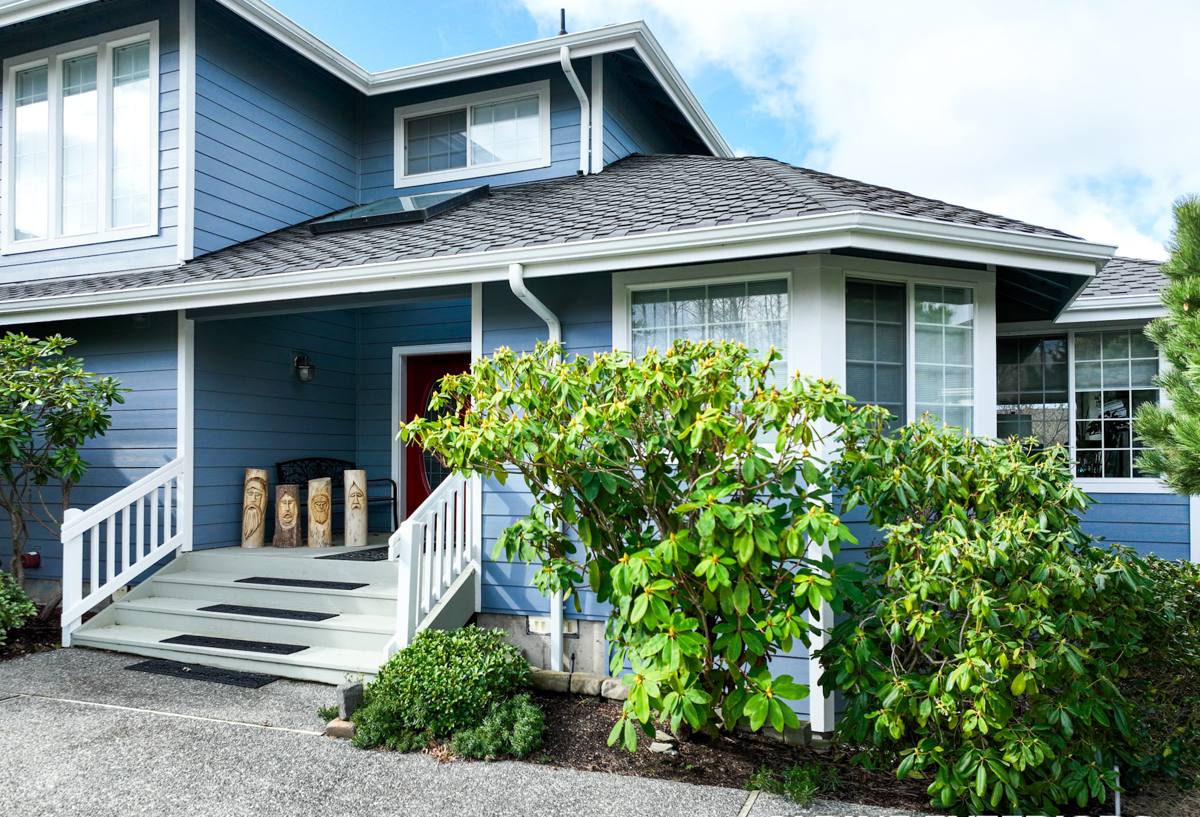
What Seattle's Climate Does to Vertical Siding
Rainier Valley sits inside the same marine climate pattern that defines the whole Puget Sound region — long stretches of driving rain from fall through spring, humid air that never fully dries out, and a moss and algae season that can run most of the year on shaded or north-facing walls. Add in the salt-laden air that moves through the broader Puget Sound corridor, which slowly attacks unprotected fasteners and metal flashing, and you have a climate that tests every seam, joint, and fastener in a siding system.
Board and batten is more exposed to these conditions than lap siding because it runs vertically. Water doesn't just run off a vertical board — some of it wicks sideways under the batten and sits there. If the assembly behind the boards can't drain and dry, that trapped moisture becomes the starting point for rot, mold, and paint failure, usually in the exact spots you can't see from the ground: behind battens, at inside corners, and around window and dormer trim.
- Driving rain pushed sideways by wind forces water up and under horizontal laps and batten edges alike
- Persistent moss and algae growth on shaded, north- and west-facing walls holds moisture against the surface longer
- Salt-influenced air corrodes uncoated or poor-quality fasteners over years, not months — which is why the fastener choice matters as much as the board
- Temperature swings between damp mornings and drier afternoons stress any material that doesn't handle moisture cycling well
What a Correct Board & Batten Installation Actually Involves
The finished look of board and batten is simple — vertical panels with battens covering the seams — but the assembly behind it is where the job is won or lost. We treat every board and batten install as a water-management system first and a design element second.
Drainage Plane and Rain Screen
Behind the boards, there needs to be a code-compliant weather-resistive barrier and, on most Rainier Valley homes, a drainage gap that lets any water that gets past the cladding run down and out instead of sitting against the sheathing. This is non-negotiable in a climate this wet — a flat, tight-to-the-wall install with no drainage path is how vertical siding rots from the inside before it ever looks bad from the street.
Flashing at Every Transition
Windows, doors, dormers, roof-to-wall intersections, and the bottom of the wall all need proper flashing and a weep path so water is directed out, not trapped. Board and batten's vertical seams multiply the number of transition points compared to standard lap siding, so this step takes more time and more attention to sequence correctly.
Fastening and Board Spacing
Boards need to be fastened to allow for normal expansion and contraction, with batten strips placed and fastened so they cover the seam without pinning the board so tightly that it can't move. Fastener spacing, type, and depth all follow the manufacturer's engineering — not a general contractor's habit from working with a different material.
Sealant, Not Caulk-as-a-Fix
Sealant has a role at specific joints, but it's a supporting detail, not a substitute for correct flashing and drainage. A board and batten job that relies on heavy caulking to stay watertight is a job that will need re-caulking every couple of years and will eventually fail anyway once the sealant does.
Why We Only Install James Hardie for This Profile
Board and batten is installed in several different materials around Rainier Valley, and it's worth understanding what each one actually does over time in this climate before you commit to a look for the next few decades of your home.
| Material | How It Handles This Climate | Long-Term Consideration |
|---|---|---|
| James Hardie fiber cement | Engineered for wet, cool climates; won't rot, and resists moss adhesion better than wood-based products | Factory ColorPlus finish holds up without repainting for years; what we install |
| Primed spruce / cedar boards | Attractive natural material but absorbs moisture at cut edges and end grain | Needs repainting and caulk maintenance on a regular cycle to avoid rot at seams |
| LP SmartSide (engineered wood) | Improved over older wood products but still wood-based at its core | Cut edges and any breach in the factory coating are vulnerable to moisture intrusion |
| Vinyl board and batten | Won't rot, but expands and contracts significantly with temperature swings | Can bow, crack in cold snaps, and fade; not repairable in matching color once discontinued |
We stopped installing wood-based and vinyl board and batten because we were the ones getting called back to homes with rot behind battens, cracked vinyl panels, and paint peeling at seams that had been "sealed" the year before. James Hardie's fiber cement is non-combustible, dimensionally stable, and manufactured with HZ5 formulations suited to the Pacific Northwest's moisture exposure. Paired with a correctly built drainage plane and flashing details, it's the combination that actually holds up to a Rainier Valley winter, year after year — not just the first one.
Our Process for a Rainier Valley Board & Batten Project
1. On-Site Assessment
We walk the exterior and look at what's actually happening on your walls right now — existing moisture staining, moss buildup, soft trim, and how the current siding is (or isn't) draining. This tells us where extra attention is needed before a single board goes up.
2. Removal and Sheathing Check
Old siding comes off and we inspect the sheathing underneath. Any soft or water-damaged sheathing gets addressed before it's covered up again — no siding, including Hardie, will hold up long installed over compromised sheathing.
3. Water Management Layer
Weather-resistive barrier, drainage gap material, and flashing at every window, door, and roof transition go in before any board is fastened. This is the step that determines how the wall performs in ten years, not just how it looks in ten days.
4. Board and Batten Installation
James Hardie panels and battens go up to manufacturer spec — correct fastener type and spacing, proper board gaps for expansion, and batten placement that covers seams without trapping moisture.
5. Finish and Walkthrough
Trim, caulking at appropriate joints only, and a final walkthrough so you understand what was done and why, including anything worth keeping an eye on going forward.
Where Board & Batten Fits on Rainier Valley Homes
Rainier Valley's housing stock is a mix — older bungalows and Craftsman-style homes, mid-century construction, and newer infill builds. Board and batten works in a few different roles depending on the house:
- Full-elevation siding on farmhouse-style or newer builds where the vertical look is the primary design
- Gable and dormer accents that break up a lap-sided home and add texture without redoing the whole exterior
- Porch and entry features where a smaller vertical section adds visual interest at the front of the house
- Mixed with HardiePlank lap siding for a two-material look that's common on updated Craftsman and farmhouse remodels
Because James Hardie manufactures both lap and panel products in matching ColorPlus finishes, mixing profiles on one house doesn't mean mixing performance or color consistency — the whole exterior ages the same way.
Maintaining Board & Batten Through the Wet Season
Correctly installed Hardie board and batten is genuinely low-maintenance, but "low-maintenance" doesn't mean "ignore it." A short seasonal check goes a long way in this climate:
- Rinse moss and algae growth off shaded walls before it builds up thick enough to hold moisture against the surface
- Walk the base of the walls after heavy rain and check that water is draining away from the foundation, not pooling against the bottom board
- Look at caulked joints once a year for cracking or separation, especially around windows and dormers
- Keep gutters clear so overflow isn't running down the wall face during heavy storms
- Trim back landscaping that keeps a wall section shaded and damp longer than the rest of the house
Why Hiring a Crew That Already Works Rainier Valley Matters
Board and batten installed to a generic national spec doesn't account for how much rain King County walls actually see, how long moss season runs here, or how salt-influenced air affects fastener choice over the years. A crew that works Rainier Valley regularly already knows which walls in this neighborhood take the worst weather exposure, how local permitting and inspection works, and what it actually takes for vertical siding to perform here — not just look good on installation day. That local repetition is what separates a board and batten job that's still tight and dry in fifteen years from one that's back on a callback list in five.
If you're considering board and batten siding for a home in Rainier Valley, we'll walk your property, look at what your walls are dealing with, and give you a straightforward, no-pressure estimate using James Hardie fiber cement — the only siding system we install and stand behind.