 Seattle
 Rainier Valley's Climate Is Hard on Decking
Rainier Valley sits in a part of Seattle where mature tree canopy, long wet seasons, and steady Puget Sound-region moisture combine to work against anything built outdoors. It isn't just the occasional downpour — it's months of low-grade dampness, overcast skies that keep surfaces from drying out, and shade from established trees that keeps moisture sitting on wood and hardscape far longer than it would in a drier, more open yard.
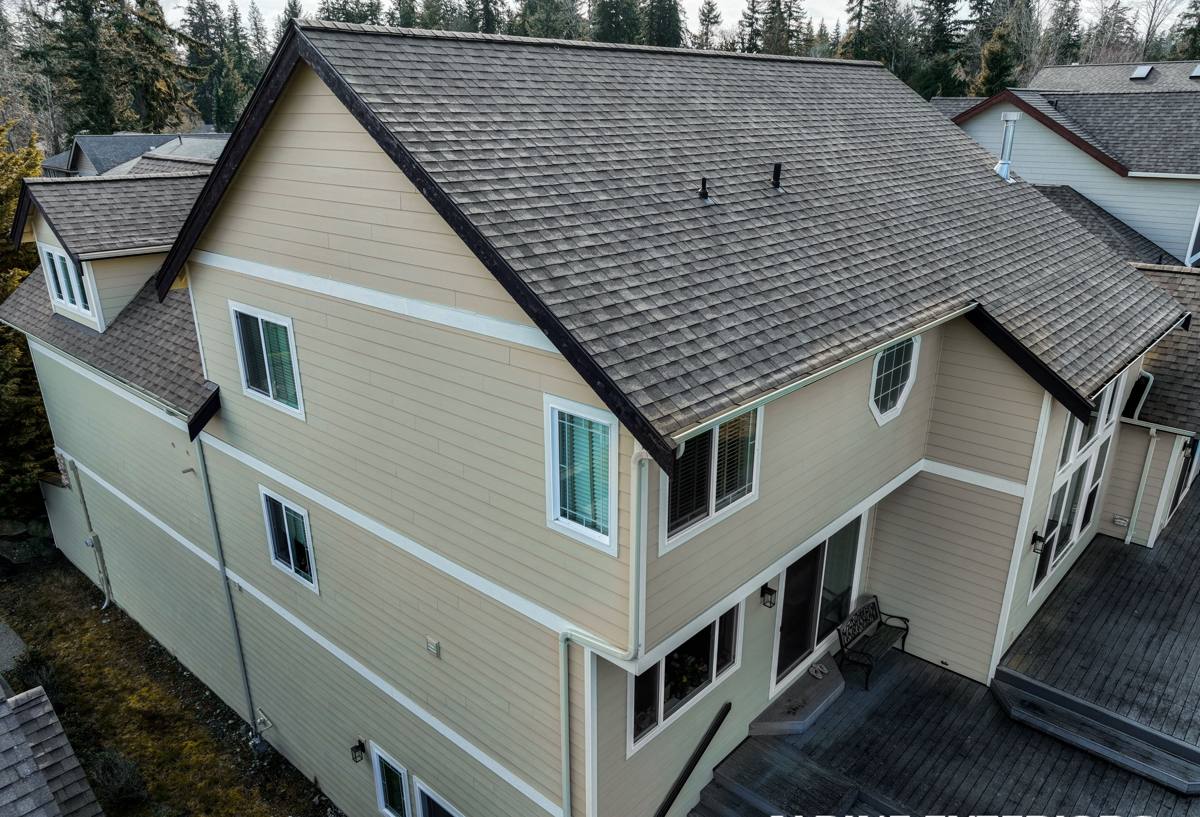
For a traditional wood deck, that combination is punishing. Boards cup and crack as they absorb and release moisture through the wet-dry cycle. Moss and algae take hold on shaded boards within a season or two. Fasteners work loose as wood swells and contracts. Owners end up on a yearly cycle of pressure washing, sanding, and re-staining just to keep the deck from rotting out from underneath them. None of that is a defect in the wood — it's just what King County's climate does to an organic material left outside year-round.
Why More Rainier Valley Homeowners Are Switching to Composite
Composite decking doesn't solve every problem a wet climate creates, but it removes the ones tied to wood absorbing water. The boards are engineered from wood fiber and recycled plastic (or fully synthetic in some product lines), which means they don't swell, splinter, or rot the way solid lumber does. That matters more here than it does in drier climates, where a wood deck might go a decade before showing real wear.
| Factor | Wood Decking | Composite Decking |
|---|---|---|
| Moisture absorption | High — swells, cups, and checks over repeated wet-dry cycles | Low — most boards absorb little to no water into the core |
| Moss and algae resistance | Poor in shaded, damp spots without regular cleaning | Better, especially with capped boards; still needs airflow and occasional rinsing |
| Annual maintenance | Cleaning, sanding, staining or sealing most years | Periodic rinse and sweep; no staining or sealing |
| Typical lifespan here | 10-15 years before major repair or replacement | 25-30+ years with proper installation |
| Upfront cost | Lower material cost | Higher material cost, offset by lower upkeep over time |
The trade-off is real: composite costs more up front. For homeowners who plan to stay in their Rainier Valley home long-term, or who are simply tired of the annual maintenance cycle a wet climate forces on wood, that math tends to work in composite's favor.
What a Correct Composite Deck Build Requires Here
Substructure and Moisture Management
Composite boards resist moisture, but the framing underneath them is still ordinary wood or, on better builds, pressure-treated lumber paired with joist tape. In a climate like this, that substructure is where most deck failures actually start — not in the decking material itself. Joist tape over the top of each joist keeps standing water from soaking into the wood framing through fastener holes and cut ends, which is one of the most common places we find hidden rot on older decks in this area.
Ledger Board and Flashing
Where a deck attaches to the house, the ledger board and its flashing are doing the real work of keeping water out of the wall assembly behind it. A poorly flashed ledger is one of the most common failure points on any deck in a rainy climate, composite or not — water gets behind the band board, and by the time it shows up as a stain on an interior wall, the damage has been happening for years. Correct flashing, proper slope away from the house, and a drainage gap between the ledger and siding are non-negotiable on every deck we build.
Preventing Moss, Mildew, and Slip Hazards
Shade from mature trees is one of Rainier Valley's defining features, and it's also exactly the condition that grows moss fastest. A deck built without enough airflow underneath — too close to grade, skirted in solid panels with no vents, or missing gapping between boards — turns into a moss incubator no matter what material sits on top.
We build in airflow from the start: proper board spacing for drainage, ventilated skirting where the deck is enclosed, and enough clearance under the frame that air can actually move. We also steer clients toward composite boards with grip-oriented surface texture in shaded, high-traffic areas, since a smooth board under a layer of fine moss or algae film gets slick fast — worth planning for on stairs and any deck that sees regular foot traffic in wet weather.
Choosing the Right Composite Board for a Shaded, Wet Yard
Capped vs. Uncapped Composite
Capped composite boards have a plastic shell wrapped around the wood-fiber core, which blocks most moisture and staining from ever reaching the core material. Uncapped composite is more affordable but more porous, meaning it's more prone to picking up mildew staining and moss growth in shaded, damp spots. For a yard with real tree cover, we generally recommend capped boards — the added upfront cost is a smaller number than what uncapped boards cost in maintenance over the years.
Color and Grain Choices for Shaded Yards
Lighter composite colors show pollen, tannin staining from overhead trees, and early mildew film more visibly than darker, multi-tonal colors. In a shaded yard like many in Rainier Valley, a mid-tone or variegated board tends to hide the normal buildup between cleanings better than a solid light color — purely a practical consideration, not a style rule.
Our Installation Process
- Site and drainage evaluation. We look at grade, tree cover, existing water paths, and how the new deck ties into the house before drawing anything up.
- Design and permitting. We handle the plan and permit paperwork where required, sized and detailed to match Seattle's building code.
- Demolition, if needed. Old decking, framing, and any compromised ledger material comes out and gets inspected for hidden rot before we build over it.
- Framing, flashing, and joist tape. This is the structural and moisture-protection stage — the part that determines how the deck ages, not just how it looks on day one.
- Footings set to code depth. Footings are placed and inspected to meet local frost-depth and load requirements.
- Composite board installation. Boards go down with correct spacing for drainage and thermal movement, using hidden fasteners where the product line allows.
- Fascia, stairs, and railing. Trim work and railings are installed to match the deck and meet current guardrail and stair code.
- Final walkthrough. We go over the finished deck with the homeowner, including basic care, before calling the job done.
Permits and Building Code in Seattle
Most decks attached to a home, or built above a certain height, need a permit through the City of Seattle before work starts, and inspections happen at key stages like footings and framing. Guardrail height, baluster spacing, and stair rise-and-run all have to meet current code — details that matter for safety and for resale, since an unpermitted deck can become a real problem when a house is sold. We handle the permit process as part of the job rather than leaving homeowners to sort it out with the city on their own.
Maintenance Checklist for a Rainier Valley Deck
Composite decking cuts maintenance dramatically compared to wood, but "low-maintenance" doesn't mean "no-maintenance" — especially under tree cover. A short seasonal routine keeps a composite deck looking and performing the way it should for its full lifespan.
- Sweep leaves, needles, and seed debris off the deck regularly during fall, especially under tree canopy where buildup happens fast
- Rinse boards periodically to clear pollen film and early mildew before it sets into the surface texture
- Confirm gutters and downspouts near the deck are directing water away from the structure, not onto or under it
- Keep the area under the deck clear of stored items so airflow underneath isn't blocked
- Check fasteners, stair connections, and railings once a year for movement
- Inspect the ledger board flashing annually for gaps, especially after a hard winter
- Use a soft-bristle brush and mild cleaner rather than a high-PSI pressure washer, which can damage the board's cap layer
Why Hiring a Crew That Already Works Rainier Valley Matters
A lot of what makes a deck last in this climate isn't visible once the project is finished — it's in the flashing details, the drainage planning, and the framing choices made before the first composite board ever goes down. A crew that regularly works in Rainier Valley has already seen how the neighborhood's shade patterns, tree root systems, and older home construction affect a deck build, and plans around those realities instead of discovering them mid-project.
That local familiarity also shows up in smaller ways: knowing how Seattle's permitting process typically moves, understanding what inspectors here are looking for at framing and final, and being able to walk a property and immediately spot where water tends to collect based on the lay of the land rather than guessing.
If you're considering a new composite deck or replacing an aging wood one in Rainier Valley, we're happy to walk the property, talk through what your yard's shade and drainage will mean for the build, and put together a free, no-pressure estimate using the form below.