 Seattle
 New Construction Is Booming in Rainier Valley — Get the Windows Right the First Time
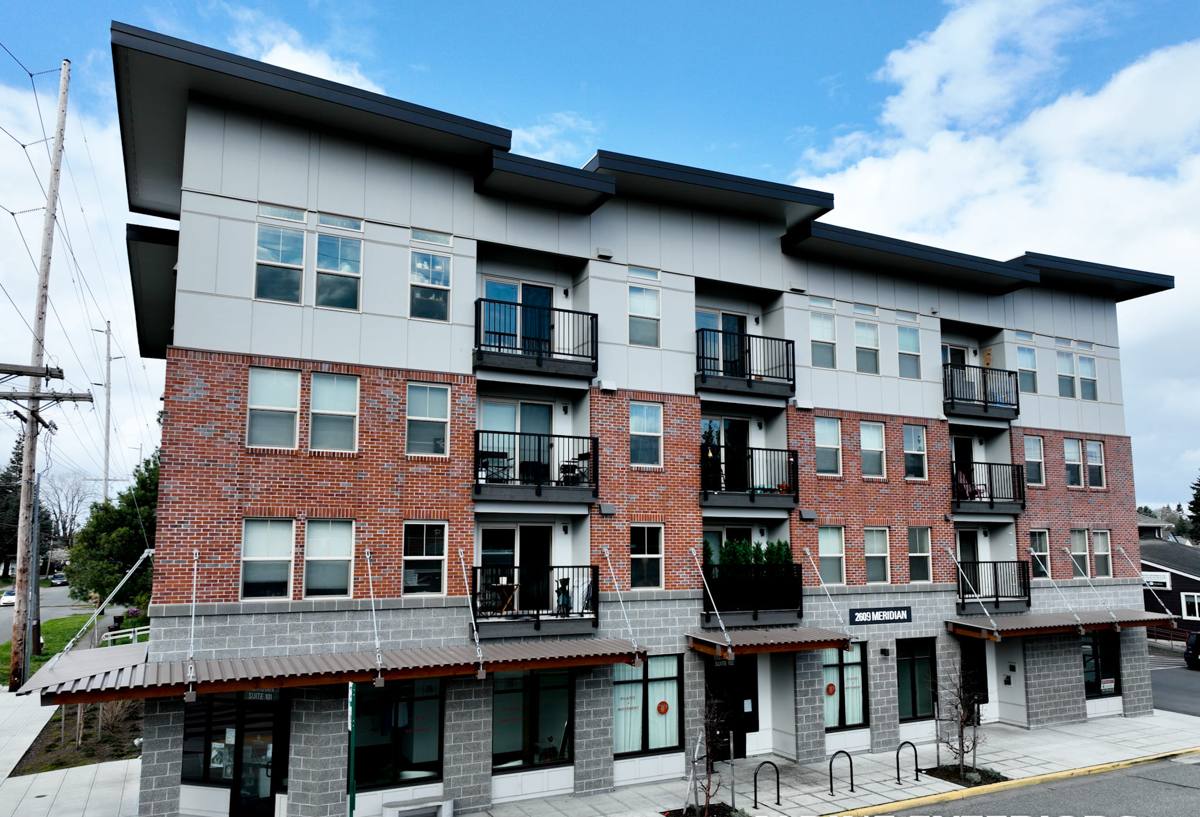
Rainier Valley has seen years of steady change: teardown-rebuilds, new townhomes, backyard cottages, and infill construction filling in lots along the light rail corridor that runs through the neighborhood. When a house is being framed from scratch, windows aren't picked off a shelf and dropped into an existing hole. They're built into the wall assembly as the house goes up, working hand-in-hand with the house wrap, flashing, and siding trades to keep water out for decades. Get this stage wrong and the mistake gets buried behind drywall and siding — it doesn't show up until there's a stain on a ceiling or a soft spot in a wall, and by then it's a much bigger repair than it needed to be.
We install new-construction windows as part of ground-up builds, additions, and full remodels in Rainier Valley, working directly with general contractors, owner-builders, and architects from the rough opening stage through final trim.
What Seattle's Climate Asks of a New-Construction Window
Like the rest of King County, Rainier Valley sits inside a wet marine climate: long stretches of steady, wind-driven rain from fall through spring, humidity that doesn't fully let up even in summer, and enough mature tree canopy — especially closer to the Lake Washington side of the valley — to keep some walls shaded and slow to dry out for most of the year. None of that is unique to this one neighborhood, but it's exactly the kind of climate that punishes an install that skips a step.
Flashing and Water Management Come First
In new construction, the window unit itself is rarely the weak point — the flashing around it is. Wind-driven rain off Puget Sound doesn't just fall straight down, it gets pushed sideways into wall assemblies, so the sill pan, the head flashing, and the order each layer laps over the housewrap below it matter more than which brand of window gets installed. We build every opening so that any water that gets past the exterior cladding has somewhere to drain back out, instead of a path into the wall cavity.
Moss, Shade, and North-Facing Exposures
Heavy tree cover in parts of Rainier Valley keeps some walls in shade for a good part of the day, which slows drying and gives moss and algae a foothold on sills, trim, and siding. That's mostly a maintenance issue for the surrounding finish materials, but it's also a reason we pay close attention to how sills and trim are detailed — pitched to shed water and given room to dry, rather than holding moisture up against the window frame.
New Construction vs. Replacement — Why We Treat Them Differently
A lot of homeowners lump "new windows" into one category, but installing into an open stud wall before siding goes on is a genuinely different job from swapping a window into an existing, finished wall. The methods, the fasteners, the flashing sequence, and even the window frame style are usually different, and mixing them up is where problems start.
| Factor | New Construction | Replacement / Retrofit |
|---|---|---|
| Typical frame style | Nail-fin (flange) frame fastened to sheathing | Block-frame insert set into the existing opening |
| Water management | Built into the housewrap and flashing sequence during framing | Has to work around existing siding and finished walls |
| Best time to catch sizing issues | Before the rough opening is closed in | Limited — the existing opening constrains size |
| Coordination required | Framer, siding crew, and GC schedule | Homeowner's schedule only |
| Access during install | Open stud walls, more room to work | Confined, more patching and touch-up |
Frame Materials and Glass That Make Sense for a Rainier Valley Build
Vinyl frames remain an affordable, low-maintenance option that performs well on most new builds — they don't need painting and hold up fine in this climate when installed correctly. Fiberglass frames cost more but stay more dimensionally stable across temperature swings, hold paint well if a homeowner wants a specific color, and are a common choice for the larger glass openings that show up in a lot of newer Rainier Valley designs. Wood-clad windows give an interior wood look with a lower-maintenance exterior shell; they cost more still and are less forgiving of flashing mistakes, since any water intrusion tends to show up as rot faster than it would on a vinyl or fiberglass unit.
On the glass side, Washington's energy code sets minimum performance requirements for new construction, so the glass package isn't something to decide at the last minute — it needs to be part of the plan from the start. A double-pane, low-E, argon-filled unit meets the needs of most homes in this climate. Triple-pane glass adds cost and weight for a smaller efficiency gain here than it would in a colder inland climate, so we treat it as a choice for homeowners with a specific noise or comfort goal, not a default upgrade everyone needs.
How We Install New-Construction Windows, Start to Finish
The sequence matters as much as the window itself. Before an order is even finalized, we confirm every rough opening is actually square, plumb, and sized to spec — catching a framing error here is a phone call; catching it after windows are ordered is a delay. From there, installation follows a set order: housewrap lapped correctly at the opening, sill pan flashing sloped to drain outward, window set plumb and square and fastened per the manufacturer's schedule, then head and side flashing taped in the correct shingle-lap order so every seam sheds water downward and outward.
- Rough opening checked square, level, and to size before windows are ordered
- Sill pan flashing installed and sloped to drain outward, not inward
- Housewrap integrated with the window flange in proper shingle-lap order
- All flashing tape seams sealed before siding closes the wall
- Window set plumb, level, and square — not just eyeballed "close enough"
- Gap around the frame insulated without over-compressing it
- Interior air-sealing completed before insulation and drywall cover the opening
- Manufacturer instructions followed for fastening and warranty compliance
Skipping any one of these steps might not show up at final walk-through. It shows up two or three wet seasons later, which is exactly why we don't shortcut the sequence to save an afternoon.
Working With Your Builder, GC, or Design Team
New-construction window installs are a coordination job as much as a trade skill. We work off the builder's framing schedule, show up when openings are actually ready for flashing and setting, and get out of the way before the siding crew needs the wall. Window installation also has to line up with city inspection sign-offs before a wall gets closed in — since Rainier Valley falls within Seattle city limits, that means working within the city's permitting and inspection process rather than a separate county process. We'd rather build a few days of schedule buffer in up front than be the reason a siding crew or an inspection gets pushed.
Why a Crew That Already Works Rainier Valley Matters
Rainier Valley is a neighborhood in transition — new builds going up next to houses that have been there for decades, hillside lots where grading affects how water moves around a foundation, and a steady mix of general contractors and owner-builders working infill lots at the same time. Being a crew that already works in this area means we're familiar with that mix, we already have working relationships with local GCs and framers, and we're not driving across the county for a punch-list item or a warranty question. If something needs a second look after move-in, we're already nearby.
What New-Construction Windows Cost in a Project Like This
Costs vary enough by project that a single number isn't honest. A modest new-construction window package for a single-family home often lands somewhere in the low-to-mid thousands, with larger openings, specialty shapes, upgraded glass packages, or a harder-to-access lot pushing the total higher. The factors that move the price most are:
- Number and size of window openings in the plan
- Frame material — vinyl, fiberglass, or wood-clad
- Glass package — double- vs. triple-pane, coatings, and tinting
- Site access and lot grading, since some Rainier Valley lots are sloped or tight
- How tightly the install has to fit into the overall build schedule
We'd rather walk a set of plans with you and give a real number than throw out a range that doesn't hold up once we see the actual openings.
Get Your Rainier Valley New-Construction Windows Estimate
If you're framing a new home, adding an ADU, or working through a remodel in Rainier Valley and need a window crew that understands both the build schedule and what this climate does to a wall assembly over time, we're glad to take a look. Use the form below for a free, no-pressure estimate — we'll talk through the openings, the glass and frame options that make sense for your project, and how we'd fit into your timeline.