 Seattle
 Composite Decking Built for Ravenna's Wet, Shaded Lots
Ravenna sits under some of the heaviest tree cover in northeast Seattle, with the ravine and park that give the neighborhood its name shading many nearby properties. That's part of what makes the area a nice place to live, and part of what makes it tough on an outdoor deck. Homes here deal with less direct sun, more standing moisture, and a longer moss season than lots out in the open. If you're planning a new deck or replacing a tired wood one, composite decking is worth a serious look — but only if it's installed the right way for this specific climate, not just built off a generic spec sheet.
This page covers what Ravenna homes actually need from a composite deck, what a correct installation involves, and how our process works from first estimate to finished project.
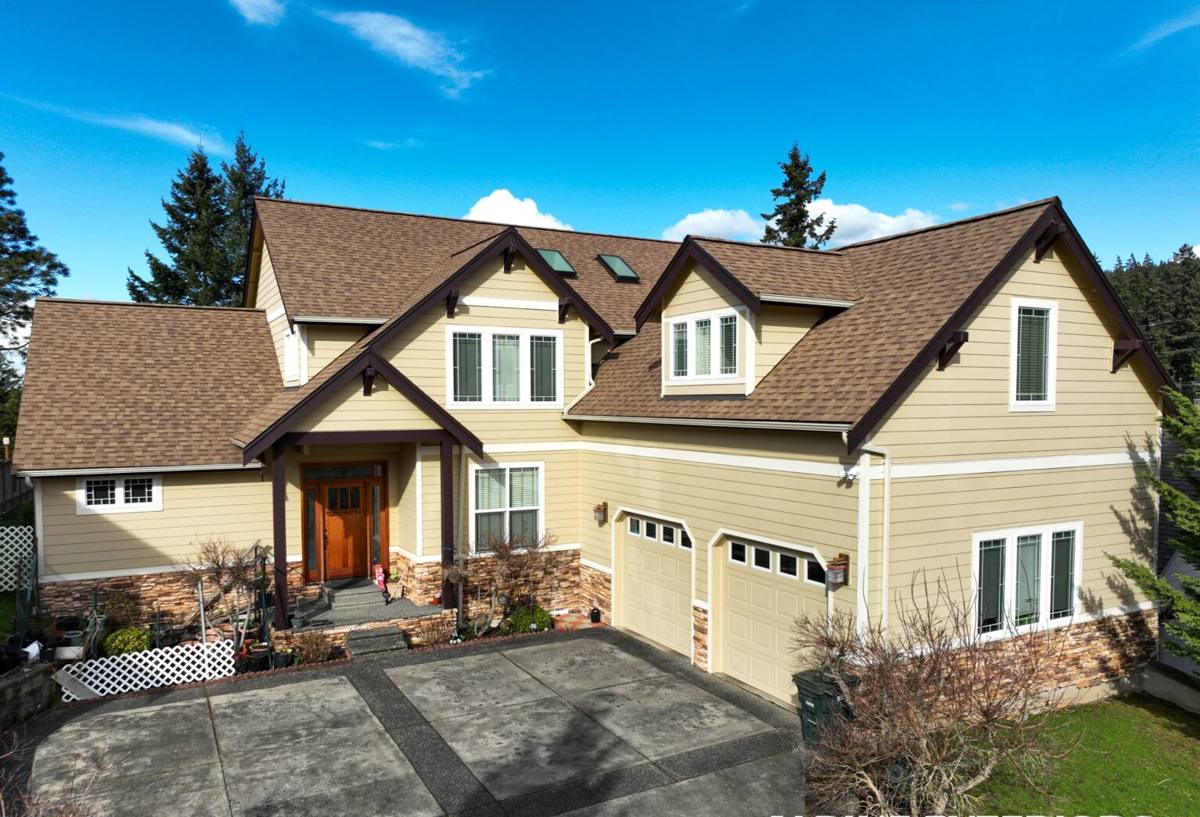
What Ravenna's Climate Does to a Deck
Tree Canopy and Moss
Mature trees are one of Ravenna's defining features, but shade plus moisture is exactly the recipe moss needs. Decks tucked under tree cover stay damp longer after every rain, and organic debris — leaves, needles, seed pods — collects in board gaps and against ledger boards. On a wood deck, that combination speeds up rot from the inside out, often in spots you can't see until the damage is already done.
Driving Rain and Standing Water
Seattle's rain isn't usually a downpour — it's steady, low-intensity moisture that soaks into materials over days and weeks rather than running off quickly. A deck surface that doesn't shed water well, or a substructure without real drainage planning, stays wet for most of the fall, winter, and spring. That's a long stretch of the year for any weak point in the build to start failing.
Salt Air and Hardware
Even away from the immediate waterfront, the Puget Sound region's marine air carries enough salt and moisture to accelerate corrosion on the wrong hardware. Fasteners, brackets, and connectors that aren't rated for this environment can rust and weaken years before the decking itself shows wear — which is why what's underneath the boards matters as much as the boards themselves.
Why Composite Outperforms Wood in This Climate
We still install wood decks when that's the right fit for a homeowner's budget or style. But for a shaded, moisture-heavy lot like a lot of Ravenna properties, composite decking solves problems that wood struggles with structurally, not just cosmetically.
Moisture and Rot
Composite boards don't absorb water the way wood fibers do, so they don't swell, cup, or rot from prolonged dampness. That matters most in the shaded corners of a yard where a wood deck would need yearly attention just to stay ahead of moisture damage.
Moss, Mildew, and Surface Grip
Moss still needs to be cleaned off any exterior surface, composite included — nothing is moss-proof. But composite doesn't give moss and mildew organic material to root into the way untreated or aging wood grain does, and a quality capped board keeps its surface texture and slip resistance much longer under damp conditions.
Color Retention Under Tree Cover
Shaded wood surfaces tend to gray unevenly and develop dark streaking where moisture sits longest. Capped composite is engineered to hold its color and finish far more evenly, since the cap layer resists staining rather than absorbing whatever runs across it. That matters more on a shaded lot, where uneven weathering shows up faster than it would on a deck that gets regular full sun to bleach it consistently.
| Material | Moisture Performance in Shade | Maintenance | Typical Lifespan |
|---|---|---|---|
| Pressure-treated wood | Absorbs moisture; prone to rot and warping in shaded spots | Annual cleaning, sealing, or staining | 10-15 years |
| Cedar | Naturally rot-resistant but still needs sealing; darkens and grays in damp shade | Regular sealing, moss removal | 15-20 years |
| Capped composite | Won't absorb or rot; sheds water well | Periodic washing, no sealing or staining | 25-30 years |
| PVC decking | Fully moisture-proof | Lowest maintenance; occasional washing | 25-30+ years |
What a Correct Composite Installation Actually Involves
Composite decking is often marketed as low-maintenance, and the boards themselves are. But a composite deck is only as good as what's built underneath it, and that's where a lot of corners get cut on jobs that aren't planned for this climate.
Framing and Ledger Attachment
The ledger board — where the deck attaches to the house — is the single most important connection on the structure, and it's also the spot most exposed to water running off the siding. Correct flashing at this joint, not just fasteners, is what keeps water from tracking behind the ledger and into the rim joist over time.
Fasteners and Hardware
Every fastener and structural connector should be rated for exterior, moisture-heavy use — stainless steel or coated hardware built for coastal and marine conditions, not standard interior-grade hardware. This is one of the easiest things to skip on a bid and one of the most expensive to fix later, since corroded hardware buried under finished decking often isn't discovered until it's already failing.
Spacing, Gapping, and Drainage
Composite boards need proper gapping between boards for water and debris to pass through rather than pool on the surface. Joist spacing also needs to match the specific board manufacturer's requirements — composite flexes differently than wood, and installing it on wood-spec joist spacing can lead to noticeable sagging over time, especially with the extra moisture load of a shaded lot.
Ventilation Underneath the Deck
Airflow beneath a low-clearance deck is easy to overlook, but it's what keeps the underside of the boards and the top of the framing from staying damp between rains. On heavily shaded lots, we pay extra attention to skirting design and clearance so the structure can actually dry out between wet spells instead of staying saturated all season.
What Drives the Cost of a Composite Deck
Every deck is priced around the specifics of the lot and the design, so we don't quote off a flat per-square-foot number without seeing the site. A few factors consistently move the number up or down:
| Cost Factor | Why It Matters |
|---|---|
| Deck size and shape | More square footage and more corners or angles mean more material and labor |
| Height off grade | Elevated decks need more substructure, railing, and often permit review |
| Board tier | Entry-level capped composite vs. premium capped composite or PVC changes material cost significantly |
| Substructure condition | Replacing rotted framing or footings on an existing deck adds cost beyond surface-level work |
| Site access | Tight side yards or heavy tree cover near the build area can slow demolition and material staging |
| Railing and accessories | Composite or metal railing systems, lighting, and stairs are priced separately from the deck surface |
Our Process, Start to Finish
We keep the process straightforward because homeowners deserve to know what's happening at each stage of the build:
- Site walk and estimate — we look at the existing structure or grade, sun and shade exposure, and drainage before quoting anything, since those details change what the job actually needs.
- Design and material selection — board brand, color, and railing system chosen based on your budget and how much shade the deck actually gets throughout the day.
- Permitting — most new or rebuilt decks in Seattle and King County require a permit; we handle that paperwork rather than leaving it to you to navigate.
- Demolition and framing — old decking removed, substructure inspected and repaired or rebuilt to current code and the decking manufacturer's spec.
- Decking, railing, and finish work — boards installed with correct gapping and fastening, railing and stairs set, site cleaned up before we call it finished.
- Final walkthrough — we go over the finished deck and basic care with you before wrapping up the job.
Maintaining a Composite Deck Through Moss Season
Composite decking cuts maintenance dramatically compared to wood, but "low-maintenance" isn't "no-maintenance," especially under Ravenna's tree canopy. A rinse and soft-bristle brush a couple of times a year, more often in shaded spots, keeps moss and organic debris from taking hold. Clearing leaves and needles out of board gaps before the wet months set in makes a real difference too — buildup that sits wet against the boards all winter is what eventually stains or dulls even a good composite surface.
None of this requires sealing, staining, or the kind of yearly commitment a wood deck demands. It's closer to washing a patio than maintaining a wood structure, which is a large part of why homeowners on shaded, moss-prone lots move to composite in the first place.
Before You Start: A Quick Checklist
A few things worth thinking through before you get quotes, whether from us or anyone else:
- Note which parts of your yard get full shade most of the day — that affects board color choice and drainage planning
- Check whether your existing deck's framing or footings show soft spots, staining, or movement
- Decide whether you want a low-maintenance railing system to match the low-maintenance decking
- Ask whether a permit will be required for your specific project size and height
- Think about drainage below the deck if the area underneath doesn't get direct sun
- Ask any contractor what hardware and fastener grade they use, not just what decking brand
Why Hiring a Crew That Already Works in Ravenna Matters
A deck built to a generic spec sheet doesn't always hold up to a specific lot's shade pattern, drainage, and tree debris. A crew that regularly works Ravenna and the surrounding Seattle neighborhoods already knows how the local moss season behaves, which hardware holds up to King County's marine-influenced air, and how to frame and flash a deck so water doesn't have anywhere to sit and cause damage.
That local familiarity also shows up in smaller ways — knowing which corners of a shaded yard tend to hold water, how tree roots near an older property can affect footing placement, and what kind of upkeep a homeowner should realistically expect given how much sun their specific lot gets. It's the difference between a deck that's built to a spec and one that's built for the yard it's actually going in.
If you're planning a new composite deck or looking to replace an aging wood one, we're happy to walk the site with you and put together a straightforward, no-pressure estimate. Fill out the form below and we'll get in touch.