 Seattle
 Ravenna's Climate Is Harder on Siding Than It Looks
Ravenna is one of Seattle's older, leafier neighborhoods, and that character comes with a trade-off most homeowners don't think about until their siding starts failing: shade and moisture don't mix well with the wrong exterior material. Mature tree canopy keeps yards cool in summer, but it also means less direct sun to dry out siding after a storm, more standing humidity along shaded walls, and a longer moss and algae season than you'd get on a more exposed lot. Add in King County's driving, wind-blown rain — the kind that hits siding at an angle instead of falling straight down — and you have conditions that punish any product that isn't built to shed water and resist rot.
Homes closer to Seattle's waterways and the broader Puget Sound airshed also deal with a steady trace of salt air moving through the region. It's not the same exposure you'd get on an oceanfront property, but combined with our wet season and the freeze-thaw cycles we do get most winters, it adds up over the life of a siding system. Materials that absorb moisture, trap it, or corrode under long-term dampness age faster here than the marketing materials suggest.
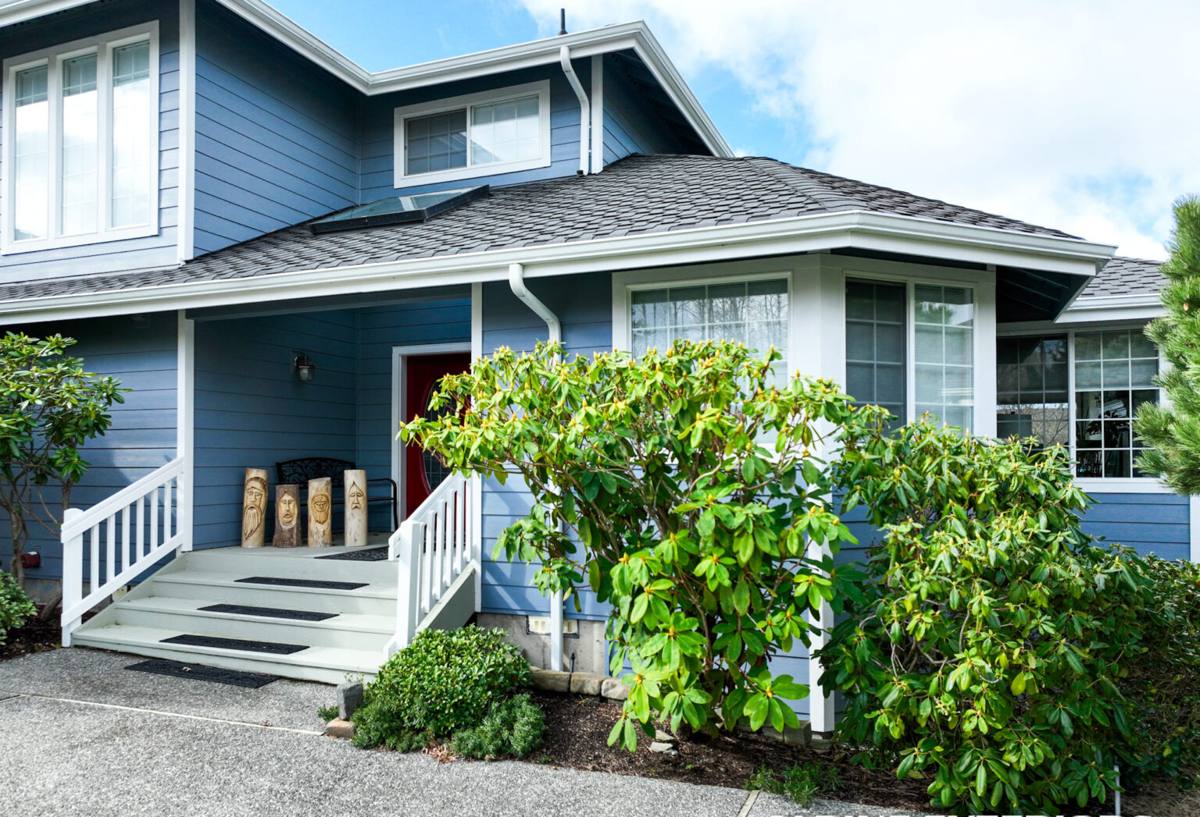
What "Correct" Siding Installation Actually Involves
Siding installation is not just fastening boards to a wall. Done right, it's a water-management system, and most of the failures we get called out to inspect in Ravenna trace back to shortcuts in the parts homeowners never see. A correct installation includes:
- A properly lapped and sealed weather-resistive barrier (house wrap) underneath the siding, with all penetrations flashed
- Rain-screen or drainage gap detailing where the wall assembly calls for it, so any moisture that gets behind the siding can drain and dry
- Correct flashing at every window, door, and roofline intersection — the single most common source of hidden water damage
- Manufacturer-specified fastener type, spacing, and placement (not "close enough")
- Proper clearance from grade, decks, and roof lines so siding doesn't sit in standing water or debris
- Factory-cut or field-cut edges sealed per the manufacturer's instructions, especially at butt joints
Skip any one of these and the siding itself almost doesn't matter — water will find its way in eventually. This is why we spend as much time talking about what's underneath the siding as what color it comes in.
Why We Install Only James Hardie Fiber Cement
We get asked regularly why we don't offer vinyl, LP SmartSide, Cemplank, Allura, or primed wood siding. The honest answer is that we standardized our crews, our training, and our warranty backing on one product line, and we chose James Hardie fiber cement because it holds up best against exactly the conditions Ravenna deals with.
Vinyl is inexpensive and low-maintenance, but it's a petroleum-based product that expands and contracts with temperature swings, can crack in cold snaps, and doesn't offer the same fire resistance or long-term color stability as fiber cement. LP SmartSide is an engineered wood product — it performs reasonably well when installed and maintained perfectly, but any wood-based substrate is more vulnerable to moisture intrusion at cut edges and seams than fiber cement, and our wet season doesn't forgive maintenance gaps. Primed cedar and spruce are beautiful materials, but they require an ongoing repainting and caulking schedule that most homeowners underestimate, and shaded, moss-prone walls like the ones common in Ravenna accelerate that maintenance cycle. Other fiber cement brands like Cemplank and Allura aren't bad products on paper, but we don't have the same factory finish warranty, engineering documentation, and regional track record with them that we have with Hardie.
James Hardie fiber cement is non-combustible, dimensionally stable in wet climates, and available in HZ5 and similar climate-engineered formulations built specifically for regions with high moisture exposure like ours. The factory-applied ColorPlus finish resists fading and chalking far longer than field-applied paint, and it comes with a strong transferable limited warranty when installed by a certified crew. That combination — moisture performance, fire resistance, finish durability, and warranty backing — is why it's the only product we put our name behind.
What Hardie Doesn't Solve By Itself
To be fair to the product: fiber cement siding is only as good as its installation. A Hardie board installed with the wrong fasteners, without proper flashing, or without correct gapping at joints can still let water into a wall assembly. The material gives you a much wider margin for error than wood or vinyl in our climate, but it isn't magic — it still needs a crew that installs it to the manufacturer's specification, not just to "how we've always done it."
Our Installation Process for Ravenna Homes
Every project starts with an on-site inspection, not a phone estimate. We look at your current siding, check for hidden moisture or rot at corners and penetrations, assess your wall's drainage detailing, and identify anything shade or canopy cover is doing to specific sections of the house. From there:
- Tear-off and inspection — removing existing siding lets us catch sheathing damage before it's covered up again
- Sheathing repair — any soft or water-damaged sheathing gets replaced, not papered over
- Weather barrier and flashing — house wrap, window and door flashing, and drainage detailing installed to code and manufacturer spec
- Hardie installation — boards, panels, or trim installed with correct fastener schedule, clearances, and joint treatment
- Final inspection and walkthrough — we go over the finished work with you before calling the job done
We sequence work around Seattle's wet-weather patterns where possible, keeping wall assemblies covered and dry between stages rather than leaving sheathing exposed overnight.
Signs a Ravenna Home Needs New Siding
Because of the shade and moisture profile common in this neighborhood, some warning signs show up earlier here than in sunnier parts of the city:
- Persistent moss or algae streaking that comes back within weeks of cleaning
- Soft spots or visible warping, especially on north- and west-facing walls
- Paint that's bubbling, peeling, or needing repainting more often than every 5-7 years
- Visible gaps or separation at seams and corner boards
- A musty smell or interior wall staining near exterior walls
- Siding that flexes or feels spongy when pressed
Any one of these on its own isn't necessarily an emergency, but they're worth having looked at before the next wet season rather than after.
Cost Factors to Understand Before You Get Quotes
| Factor | Why It Moves the Price |
|---|---|
| Tear-off complexity | Multiple layers of old siding or hidden sheathing damage add labor and material |
| Home size and wall detail | More corners, windows, and rooflines mean more flashing and cutting |
| Hardie product line | Lap siding, panel systems, and shingle-style profiles vary in material cost |
| Finish choice | Factory ColorPlus finishes cost more upfront than primed boards but skip a paint job |
| Access and site conditions | Tight lots, mature landscaping, or slope can add setup and staging time |
| Underlying repairs | Rotted sheathing or framing found during tear-off is priced separately, not guessed at upfront |
We don't quote firm numbers without seeing the house — anyone who does is guessing, and that guess tends to grow once tear-off starts.
Why Local Experience in Ravenna Matters
A crew that already works in this part of Seattle knows what a shaded, tree-lined lot does to a wall assembly, what King County permitting and inspection expects, and how our wet season timeline affects sequencing a job so sheathing doesn't sit exposed. That's different from general siding experience picked up in a drier or sunnier region. It also means we're not learning on your house — we've already seen how moss, driving rain, and shaded walls interact with fiber cement siding in neighborhoods like this one.
After Installation: What Keeps Hardie Siding Performing
Fiber cement is low-maintenance, not no-maintenance. A short seasonal routine goes a long way in a shaded, moss-prone area:
- Rinse siding annually to keep moss and algae from taking hold, especially on shaded walls
- Keep gutters clear so overflow doesn't run down the siding face
- Trim back vegetation and tree limbs that keep walls damp or in constant shade
- Inspect caulking at trim and joints every couple of years and re-seal as needed
- Address any impact damage or chips promptly so moisture can't get behind the finish
None of this is heavy work, but skipping it entirely shortens the life of any siding product, Hardie included.
If your Ravenna home's siding is showing its age, or you're planning ahead of the next wet season, we're happy to take a look and walk you through what we'd actually recommend — no pressure, no inflated urgency. Use the form below to request a free estimate.