 Seattle
 Deck Building in Renton, Washington
Renton sits where Lake Washington, the Cedar River, and a string of wooded hillside neighborhoods all meet, which means decks here deal with a little of everything: low-lying moisture near the water, shaded lots that never fully dry out, and open hillside exposure that takes the brunt of storms rolling in off Puget Sound. A deck built without that mix in mind tends to show it within a few seasons — soft spots, green film underfoot, fasteners bleeding rust through the boards. A deck built correctly for this specific area holds up quietly for decades.
This page covers what we actually look at when we design and build a deck for a Renton property, why our approach differs from a generic build, and what to expect if you're planning a new deck or replacing one that's past its prime.
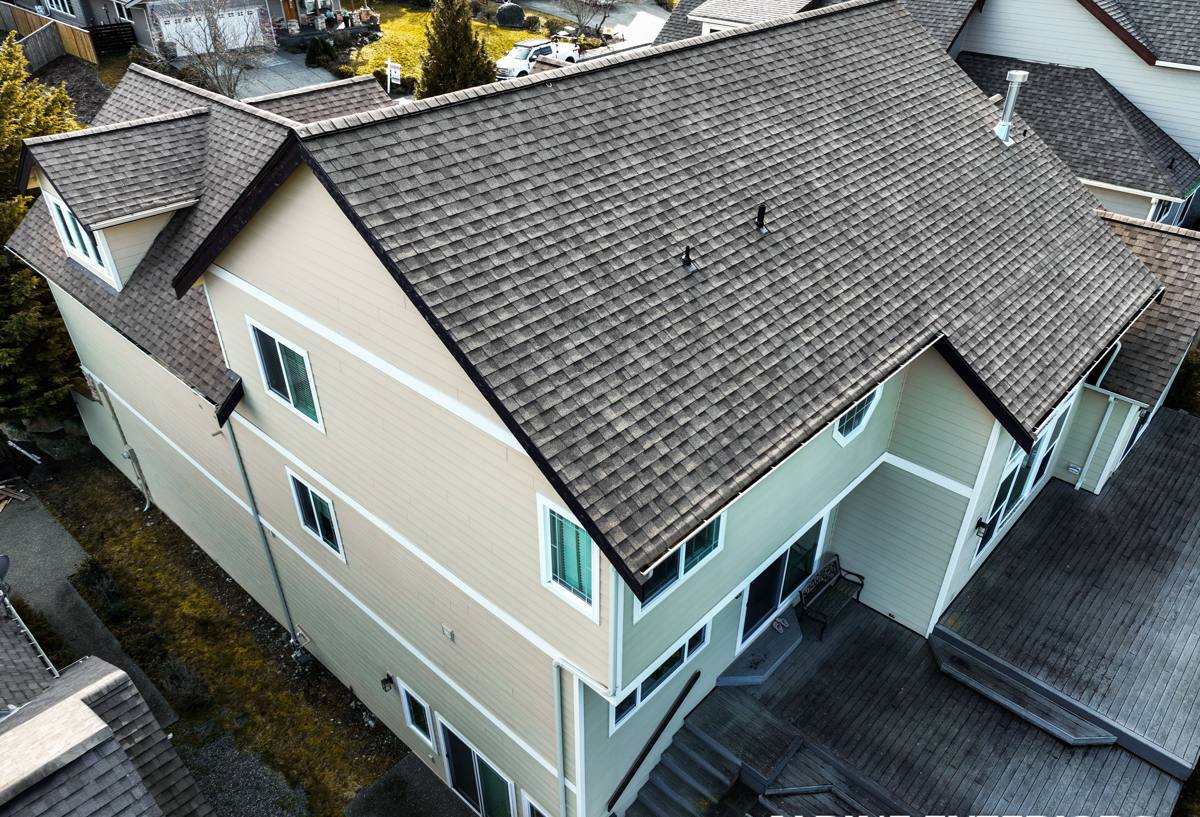
What Renton's Climate Does to a Deck
King County doesn't get hurricanes or heavy snow loads most years, but it makes up for it with volume and duration. Rain that falls steadily for days, humidity that never fully drops even between storms, and a long stretch of fall and winter where surfaces barely get a chance to dry — that combination is harder on a deck than a shorter, more intense wet season would be.
- Driving rain pushes water sideways under railings, around post bases, and into any gap in the flashing or ledger board attachment — the areas that cause the most expensive structural damage when missed.
- Moss and algae take hold on any deck surface that stays shaded or damp for more than a day or two, which describes a lot of Renton's tree-covered lots for a good chunk of the year. Moss holds moisture against the wood and turns the surface slick.
- Salt-laden air moving up from Puget Sound accelerates corrosion on exposed fasteners, hinges, and metal railing hardware, especially closer to the water.
- Freeze-thaw cycling, while milder here than inland climates, still happens enough over a winter to work at cracks in sealant, caulking, and any wood that's already started to absorb moisture.
None of this means a deck in Renton is a losing battle. It means the design, materials, and fastener choices need to actually account for the climate instead of following a generic build spec written for a drier region.
Why Ledger Attachment and Flashing Matter Most
Most deck failures we're called out to inspect don't start with the decking boards — they start where the deck attaches to the house. The ledger board connection is the single point where water intrusion does the most damage, because it's hidden behind the rim joist and often isn't checked until rot has already spread into the house framing. Proper flashing, correct fastener spacing, and a small air gap or drainage path behind the ledger are non-negotiable on every deck we attach to a home, not an upgrade option.
What a Correctly Built Deck Involves
A deck that's going to hold up to a Renton winter needs to get several things right at once — missing any one of them shortens the life of the whole structure.
Foundation and Framing
Footings need to sit below frost depth and bear on undisturbed or properly compacted soil — this matters more on sloped King County lots than flat ones, since runoff can undermine a footing that wasn't set deep enough. Framing lumber should be pressure-treated and rated for ground contact where it's within the required distance of soil or moisture, and every joist hanger, screw, and structural connector should be corrosion-resistant hardware rated for treated lumber, not standard fasteners that will react with the treatment chemicals and fail early.
Decking Material
This is the choice most homeowners ask about, and it's genuinely a trade-off, not a simple better-or-worse decision.
| Material | How it handles Renton's climate | Maintenance |
|---|---|---|
| Pressure-treated wood | Affordable, but needs consistent sealing to resist moisture absorption and moss growth; shaded or low-airflow spots need extra attention | Annual cleaning and re-sealing recommended |
| Cedar | Naturally rot- and insect-resistant, ages to a silver-gray patina if left unsealed, but still needs periodic maintenance in a wet climate | Sealing every 1–2 years to keep original color, cleaning regardless |
| Composite decking | Resists moisture absorption and won't rot, but still needs surface cleaning where moss and algae can grow on any material given enough shade and dampness | Periodic washing, no sealing or staining |
We won't tell you composite is always right or wood is always wrong — a shaded, low-airflow backyard lot and a sunny, open hillside lot in the same neighborhood can reasonably call for different materials. What we will do is walk the actual site with you and explain the honest maintenance commitment each option carries before you decide.
Drainage and Airflow Under the Deck
A deck built low to the ground with poor airflow underneath is one of the most common moss and rot accelerators we see locally. Grading the ground under the deck away from the house, keeping adequate clearance between the joists and soil, and, where needed, adding under-deck drainage systems all reduce how long moisture sits trapped against the framing.
Fasteners and Hardware
Every screw, bracket, and post base should be stainless steel or hot-dip galvanized hardware rated for the salt-air exposure common closer to Puget Sound and Lake Washington. Cheaper coated fasteners can start showing rust streaks within a year or two in this environment, which is both a cosmetic problem and an early sign the hardware's corrosion resistance is breaking down.
Our Deck Building Process
- On-site assessment — we look at sun and shade exposure, slope and drainage, proximity to the water, and how the deck will attach to the house before recommending materials.
- Design and material selection — we walk through the honest trade-offs for your specific lot, not a one-size-fits-all recommendation.
- Permitting — deck permits in Renton and unincorporated King County depend on size, height, and attachment to the structure; we handle the permit process so it's not left for you to sort out.
- Foundation and framing — footings set to code depth, treated structural lumber, corrosion-resistant hardware throughout.
- Ledger flashing and waterproofing — done to spec every time, since this is where failures start.
- Decking, railing, and finish work — installed per manufacturer spacing and fastening requirements so the surface performs the way it's supposed to.
- Final walkthrough — we go over basic maintenance for whatever material you chose, so you know what upkeep actually looks like going forward.
Maintenance That Actually Matters Here
Every deck in this climate needs some level of upkeep — the difference between a deck that lasts 10 years and one that lasts 25+ often comes down to a short list of habits.
- Clear leaves and debris out of gaps between boards regularly, especially under trees, since trapped organic matter holds moisture and feeds moss.
- Wash the surface at least once a year to remove moss, algae, and grime before it gets a foothold — a stiff brush and a deck cleaner is usually enough; pressure washing wood requires care to avoid damaging the grain.
- Check and re-seal wood decking on the schedule appropriate to the product — skipping a season in this climate lets moisture back into the wood faster than in drier regions.
- Inspect railing posts, stair stringers, and ledger flashing once a year for movement, soft spots, or rust streaks.
- Keep gutters and downspouts near the deck clear so runoff isn't dumping extra water onto or under the structure.
Why Hire a Crew That Already Works in Renton
A deck contractor who only builds occasionally in this region can still frame a structurally sound deck — but the details that determine how it ages, the flashing details, fastener selection, drainage planning, material recommendations suited to a specific lot's sun and shade pattern, come from having actually maintained and repaired decks through King County winters, not just built them once. We've seen which shortcuts show up as callbacks two winters later and which details are worth the extra time up front. That's the difference between a deck that needs real repair work in year five and one that just needs a wash and a re-seal.
Common Signs a Renton Deck Needs Attention
- Soft, spongy spots when you walk across the surface
- Persistent moss or dark green film that comes back within weeks of cleaning
- Rust streaks bleeding out from screws or brackets
- Gaps or movement where the deck meets the house
- Railings that flex or feel loose
- Standing water that doesn't drain within an hour or two after rain stops
Any of these are worth a professional look before they turn into a bigger repair. Catching a flashing or drainage issue early is a small fix; catching it after it's reached the framing is a much bigger one.
If you're planning a new deck or want an honest look at one that's showing its age, we're happy to come out, walk the site, and talk through what your specific lot actually needs. Use the form below to request a free, no-pressure estimate.