 Seattle
 Roof Repair in Fremont: Built for Seattle's Wet Side
Fremont's mix of early 1900s bungalows, postwar homes, and newer infill sits close to the water and under a tree canopy that keeps roofs shaded and damp for long stretches of the year. That combination is exactly what shortens the life of a roof in this part of King County. Salt-tinged air off the Sound, driving rain that comes in sideways during winter storms, and a moss season that can run eight months or more all work against asphalt shingles, flashing, and the wood underneath them. Roof repair here isn't just patching a leak — it's understanding how this specific climate attacks a specific type of roof, then fixing the actual cause instead of just the symptom.
We work on roofs throughout Fremont and the surrounding Seattle neighborhoods regularly, which means we already know what a 60-year-old cedar-and-comp roof in this area typically looks like underneath, and where problems tend to start. That local familiarity shortens the diagnostic process and helps us avoid guessing.
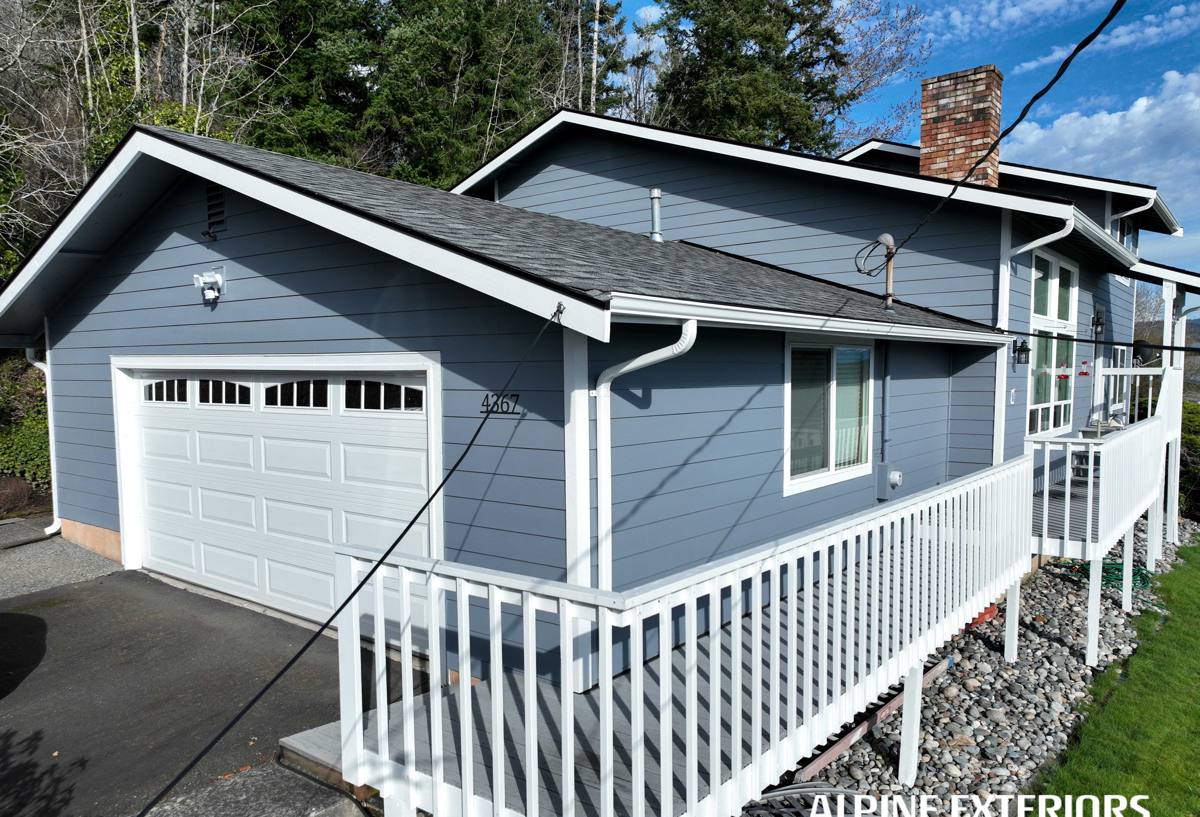
Why Fremont Roofs Fail Faster Than the National Average
Manufacturers rate shingles for a generic climate. Fremont isn't a generic climate. Several local factors combine to age a roof faster than the same roof would age in a drier, sunnier region:
- Moss and organic growth: Shade from mature trees plus near-constant moisture in fall, winter, and spring lets moss, lichen, and algae take hold on north-facing slopes especially. Moss holds water against the shingle surface and lifts edges, which is one of the most common early failure points we see.
- Wind-driven rain: Storms off the Sound don't just fall straight down — they push rain sideways and upward under shingle edges, into vents, and around flashing that would stay dry in a calmer climate.
- Salt-influenced air: Proximity to Puget Sound means metal flashing, fasteners, and vents corrode faster than the same materials would inland. Corroded fasteners back out; corroded flashing pinholes and leaks.
- Freeze-thaw cycling: Seattle winters aren't brutally cold, but the repeated freeze-thaw swings that do happen are enough to widen small cracks in sealant and flashing year over year.
- Canopy debris: Needles, leaves, and small branches collect in valleys and behind chimneys, holding moisture and blocking drainage paths.
None of this means Fremont roofs are doomed — it means repairs done here need to account for these specific stressors, not just address whatever is visibly wrong today.
Signs a Fremont Roof Needs Repair
What homeowners usually notice first
- A water stain on a ceiling or upper wall, especially after a heavy wind-driven storm
- Visible moss patches, particularly on shaded or north-facing roof sections
- Granules collecting in gutters or at downspout outlets
- Shingles that look curled, lifted, or cracked at the edges
- Daylight visible through the attic roof deck
- Rusty streaking below metal flashing or vent pipes
What we look for that homeowners often miss
A surface leak rarely starts where the water shows up inside the house — it travels along the deck or a rafter before dripping somewhere convenient to notice. During an inspection we're checking flashing at every roof-to-wall transition, valley condition, vent boot cracking (rubber boots degrade with age and are a very common leak source), nail pops, and the condition of the underlayment where shingles have already lifted. We also check attic ventilation, because poor airflow traps moisture that accelerates deck rot from the inside, independent of anything happening on the surface.
What a Correct Roof Repair Actually Involves
A proper repair follows a sequence, not a single step. Skipping steps is how the same leak comes back a year later.
- Diagnose the true source. We trace the water path rather than patching at the point it appeared inside the house.
- Clear moss and debris from the work area. Growth has to come off before we can see the actual condition of the shingles and deck underneath.
- Inspect the deck. If plywood or sheathing has soft spots or rot, that section gets replaced — patching shingles over a compromised deck just delays a bigger repair.
- Replace damaged materials. Matching shingles as closely as possible, replacing cracked vent boots, and re-flashing any corroded or improperly lapped metal.
- Re-seal and re-fasten correctly. Proper nailing pattern and placement matters more in a high-wind, high-rain climate than in milder regions — shortcuts here are exactly what fails first.
- Check surrounding areas. Gutters, downspouts, and valleys get inspected so water actually drains away from the repair once it's done.
Repair vs. Replacement: How We Make the Call
Not every roof issue in Fremont needs a full replacement, and not every leak is fixable with a patch. The honest answer depends on the roof's age, how much of it is affected, and what's happening underneath the surface.
| Factor | Favors Repair | Favors Replacement |
|---|---|---|
| Roof age | Under 15 years | Approaching or past 20-25 years |
| Extent of damage | Isolated area (one slope, one flashing point) | Multiple areas, widespread granule loss |
| Deck condition | Solid, dry sheathing | Soft spots or rot in more than one area |
| Moss history | First occurrence, treatable | Chronic, recurring despite past treatment |
| Shingle match availability | Matching material still obtainable | Discontinued style, visible patch mismatch unavoidable |
We'll tell you plainly which category a roof falls into. If a repair is the honest recommendation, that's what we'll quote — we don't upsell a full tear-off when a targeted fix will hold up.
Moss Treatment and Prevention Matter as Much as the Repair Itself
In a climate with a moss season this long, repairing a leak without addressing moss growth is treating half the problem. Once shingles come off during a repair, we clear growth from the surrounding area, and we'll talk through preventive options — zinc or copper strips near the ridge, periodic soft-washing rather than pressure washing (which can strip granules and shorten shingle life), and keeping overhanging branches trimmed back to reduce shade and debris. None of these are one-time fixes; moss control in Fremont is ongoing maintenance, and we're upfront about that rather than promising a permanent solution that doesn't exist for this climate.
Materials and Flashing Choices That Hold Up Locally
We favor corrosion-resistant flashing metals and fasteners on repairs here specifically because of the salt-air exposure common to Seattle's water-adjacent neighborhoods. Standard galvanized fasteners can corrode and back out faster near the Sound than the same fasteners would inland; where it makes sense, we use materials with better corrosion resistance for long-term reliability rather than the cheapest option that meets code. On vent boots, we prefer types with better long-term flexibility in this climate's freeze-thaw range, since brittle boots cracking is one of the most common repeat-leak sources we encounter. These are practical trade-offs based on how materials actually perform in this specific environment, not brand preferences.
Our Process, Start to Finish
- Initial contact and scheduling: We ask what you're seeing (stain location, when it appears, any recent storms) so we come prepared.
- On-site inspection: A thorough look at the affected area, attic if accessible, and surrounding roof sections — not just the spot you pointed out.
- Written estimate: A clear explanation of what's wrong, why, and what the repair involves, in plain language.
- Scheduled repair: Work performed with attention to weather windows — we don't open up a roof section during an active storm system.
- Final walkthrough: We show you what was done and what to watch for going forward.
Why Local Experience in Fremont Specifically Matters
A crew that mostly works drier climates will default to generic assumptions about what's "normal" wear. A crew that works Seattle and King County roofs regularly already knows that moss on a north slope by year three isn't unusual, that vent boots in this climate crack sooner than the national average, and that a leak reported in November is often a wind-driven rain issue rather than a simple wear-through. That context changes where we look first and what we recommend, and it comes from repetition — working these same conditions on similar homes throughout the neighborhood and nearby parts of Seattle, not from a manual.
Maintenance Checklist Between Repairs
Simple, regular upkeep extends the life of any repair we do and reduces the odds of a repeat call:
- Clear gutters and downspouts at least twice a year, more often under heavy tree cover
- Remove moss and debris from valleys and behind chimneys before winter
- Trim back branches that overhang the roofline
- Have the roof looked at after any major windstorm, even if nothing looks obviously wrong from the ground
- Check attic insulation and ventilation periodically — poor airflow accelerates deck problems independent of the roof surface
If you're dealing with a leak, visible moss, or just want an honest read on a Fremont roof's condition before a small problem turns into a deck replacement, we're glad to take a look. Estimates are free, there's no pressure to book anything on the spot, and you'll get a straight answer about whether repair or something more is the right call — just fill out the form below to get started.