 Seattle
 Storm Damage Roof Repair for Shoreline Homes
Shoreline sits right on Puget Sound, which means local roofs take on a different kind of punishment than roofs even a few miles inland. Wind comes off the water with more force, rain arrives sideways more often than straight down, and the moisture never really lets up long enough for a roof to fully dry out between storms. When a windstorm rolls through King County, Shoreline homeowners often end up dealing with damage that isn't always obvious from the ground — a lifted shingle here, a cracked ridge cap there, a flashing seam that's been quietly working itself loose for months before it finally lets water in.
This page is about one thing: getting storm damage on a Shoreline roof correctly diagnosed and correctly repaired, not just patched enough to get through the next inspection.
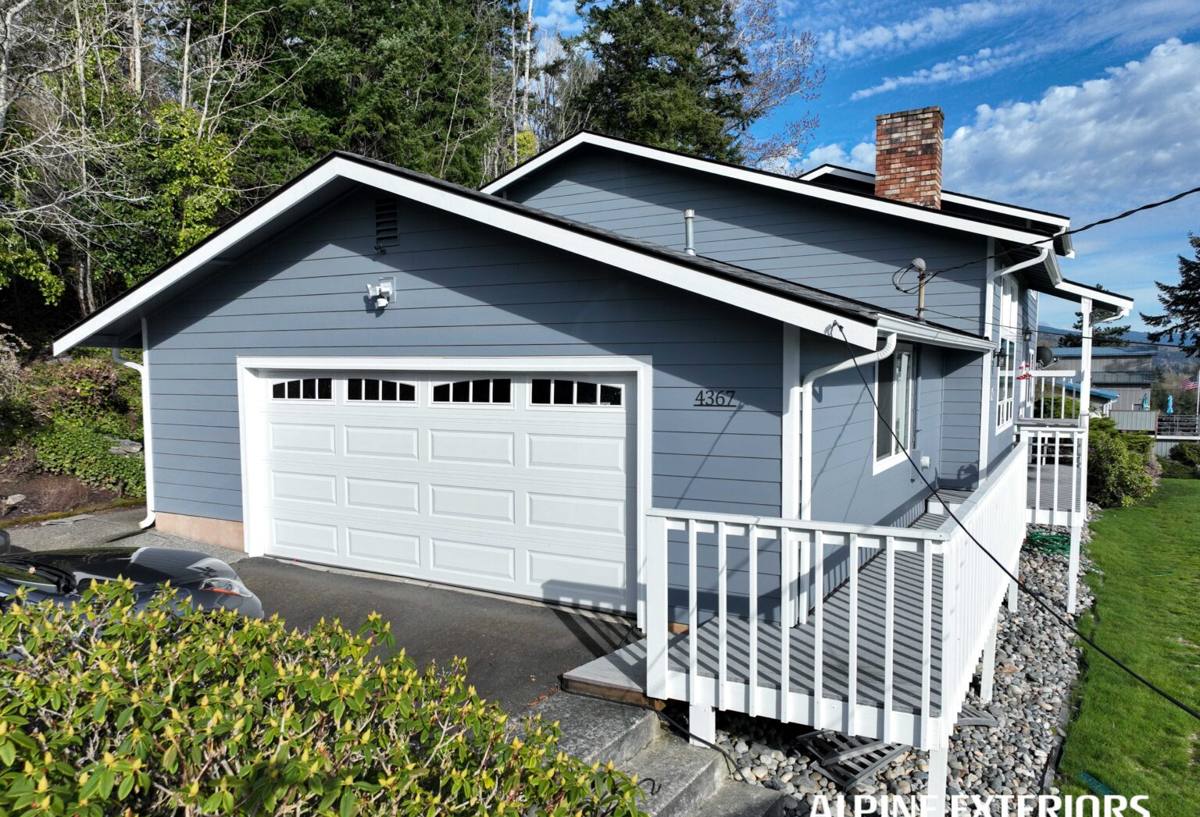
What Puget Sound Storms Actually Do to a Roof
People tend to picture "storm damage" as a dramatic event — a tree limb through the roof, or a whole section of shingles peeled back. Sometimes that happens. More often, the damage is smaller and cumulative, which is exactly why it gets missed until it turns into an interior leak.
Wind
Wind doesn't need to be a named storm to cause damage. Sustained gusts lift the tabs on asphalt shingles just enough to break the seal underneath, without tearing the shingle off. The shingle looks fine from the street. It isn't sealed anymore, and the next rain gets underneath it.
Wind-driven rain
Because of Shoreline's exposure to weather coming off the Sound, rain here frequently moves horizontally instead of falling straight down. That matters because flashing, vents, and roof-to-wall transitions are designed to shed water moving downward — not water being pushed sideways or upward under an edge. Wind-driven rain finds the gaps that vertical rain never would.
Moss, debris, and prolonged moisture load
The long moss season in this region isn't just cosmetic. Moss holds water against the roofing material, keeps shingles from drying out, and over time lifts shingle edges as it grows — which then gives wind and rain a place to start. A storm doesn't have to be severe to cause damage if the roof underneath was already compromised by months of moss growth and trapped moisture.
Impact damage
Falling branches and wind-blown debris are the most visible form of storm damage, but the damage often extends beyond the obvious impact point — cracked decking, displaced underlayment, or bent flashing nearby that isn't visible until someone gets on the roof and looks.
Why Shoreline's Location Adds an Extra Layer of Risk
Being close to Puget Sound means salt-laden air is a constant, low-grade factor in how roofing materials age. Metal flashing, fasteners, and vent components corrode faster near the water than they do a few miles east. A fastener that's lost integrity to corrosion can back out under wind load, and a flashing seam that's thinned from salt exposure can fail during a storm that an inland roof would have shrugged off. This is part of why we look closely at metal components during any storm damage inspection in this area, not just the shingles or shakes themselves.
Mature tree cover in many Shoreline neighborhoods is another local factor — it's good for shade and privacy, but it also means more debris load, more shade holding moisture on the roof, and more limb-drop risk during wind events.
What a Correct Storm Damage Repair Actually Involves
A repair that only replaces the shingles someone can see from the ground is not a complete repair. Water damage from wind or impact events tends to travel — it gets under the surface layer and can affect underlayment, decking, and flashing well beyond the visible damage. A repair done right addresses all of it.
- Full inspection first, not just the damaged spot. One area of storm damage is often a sign that other areas took stress too, especially on the side of the roof facing the prevailing wind.
- Decking check. If water got underneath the roofing material, the wood decking may have absorbed moisture or started to soften. Repairing over compromised decking just hides a bigger problem.
- Underlayment replacement in the affected section. This is the actual water barrier — shingles are the weather surface, but underlayment is what keeps a small leak from becoming an interior one.
- Flashing inspection and repair. Around chimneys, vents, skylights, and wall transitions — these are the most common places storm damage actually causes leaks, even when the shingles nearby look untouched.
- Material matching. On an older roof, matching shingle color and profile exactly may not be possible. We tell homeowners this upfront rather than let a patch stand out and call attention to itself.
- Moss and debris clearing around the repair area, so the fix isn't sitting under the same conditions that contributed to the damage in the first place.
Repair or Replace: How We Help You Decide
Not every storm-damaged roof needs to be replaced, and not every roof can be responsibly patched. The right call depends on the roof's age, how widespread the damage is, and what condition the rest of the roof is in. Here's how we generally think through it:
| Factor | Repair Usually Makes Sense | Replacement Should Be Considered |
|---|---|---|
| Roof age | Roof is under roughly 12-15 years old | Roof is near or past its expected service life |
| Extent of damage | Damage is isolated to one section or slope | Damage is spread across multiple slopes or the whole roof |
| Underlying material condition | Decking and underlayment nearby are still sound | Decking shows rot or underlayment is failing in several areas |
| Moss/moisture history | Minor moss, well-maintained roof | Heavy, longstanding moss growth with visible shingle degradation |
| Insurance scope | Adjuster scope aligns with a repair | Adjuster scope or damage extent supports full replacement |
We'll give you a straight recommendation either way — including telling you when a repair is genuinely the right, more economical answer, not just pushing toward a full replacement.
Our Storm Damage Repair Process
- Inspection and documentation. We assess the whole roof, not just the reported damage, and document conditions with photos for your records and, if applicable, your insurance claim.
- Emergency mitigation, if needed. If there's active leaking or exposed decking, we prioritize getting it covered and protected before anything else, to limit further interior damage.
- Clear scope and explanation. Before any work starts, we walk through what we found, what needs to be repaired, and why — in plain language, not a sales pitch.
- The repair itself. Decking, underlayment, flashing, and roofing material are addressed in the correct order, matching materials as closely as reasonably possible.
- Cleanup and final check. Debris, old materials, and fasteners are cleared from the property and roof, and we do a final walk-through of the completed work.
A Note on Insurance and Storm Damage Claims
After a significant windstorm, it's common for door-to-door "storm chasers" to show up in Shoreline and other King County neighborhoods offering fast, free inspections. We'd rather you know the honest tradeoffs than get a sales pitch. A company with no established local presence has little incentive to stand behind the work a year or two down the road, and inflated damage claims can create real problems with your insurer later.
Our documentation is built to help your claim reflect what actually happened to your roof — no more, no less. We're glad to walk through our findings with your adjuster if that's useful, but the scope of work we recommend is based on what the roof actually needs, not on what maximizes a claim.
Signs You Need a Storm Damage Inspection
After any significant wind or rain event, it's worth checking for these signs — from the ground is fine, there's no need to get on the roof yourself:
- Shingle granules collecting in gutters or downspouts after a storm
- Shingles that look curled, lifted at the edge, or out of alignment with the row around them
- Visible gaps or dark spots where a shingle appears to be missing
- A new or worsening water stain on an interior ceiling or wall
- Debris, branches, or heavy moss buildup that wasn't there before the storm
- Bent, dented, or displaced flashing around chimneys, vents, or skylights
- Any sagging you can see along the roofline from the street
None of these guarantee serious damage, but any one of them is a reasonable reason to have the roof looked at rather than wait for a leak to show up inside the house.
Why Local Experience in Shoreline Matters
A crew that already works this area knows what a Shoreline roof is up against — the wind exposure off Puget Sound, the salt air's effect on metal components, the tree cover common to many of these neighborhoods, and just how long the moss season really runs here compared to drier parts of King County. That context shapes what we look for during an inspection and how we prioritize repairs, instead of applying a generic checklist that was written for a different climate.
Being local also means we're here after the repair is done — for questions, for a follow-up look after the next big storm, or for routine maintenance that helps the roof hold up better the next time the weather turns.
Get a Straight Answer on Your Roof
If your Shoreline home took wind, rain, or debris damage in a recent storm — or you're just not sure whether something you're seeing is worth worrying about — we're glad to take a look. Fill out the form below for a free, no-pressure estimate and an honest assessment of what your roof actually needs.