 Seattle
 Siding Built for University District's Wet, Shaded Streets
University District sits in one of the more tree-dense, moisture-heavy pockets of Seattle. Between mature street trees, close-set lots, and the long stretch of grey, drizzly months that define a King County winter, the siding on a U District home works harder than siding almost anywhere drier in the country. It isn't one big storm that causes damage here — it's months of low-grade dampness, shade, and driving rain finding every seam, gap, and weak point in a wall system.
A lot of the housing stock in and around University District dates back to the early 1900s through the postwar decades, with craftsman bungalows, Tudor-influenced homes, and infill construction from more recent years mixed in. Older homes often carry original wood siding or a past re-side that was never detailed correctly for this climate. Newer builds sometimes have siding that looks fine but was installed to a warmer, drier region's standard rather than Seattle's. Either way, the fix is the same: siding material and installation detailing that account for how much water this neighborhood actually sees.
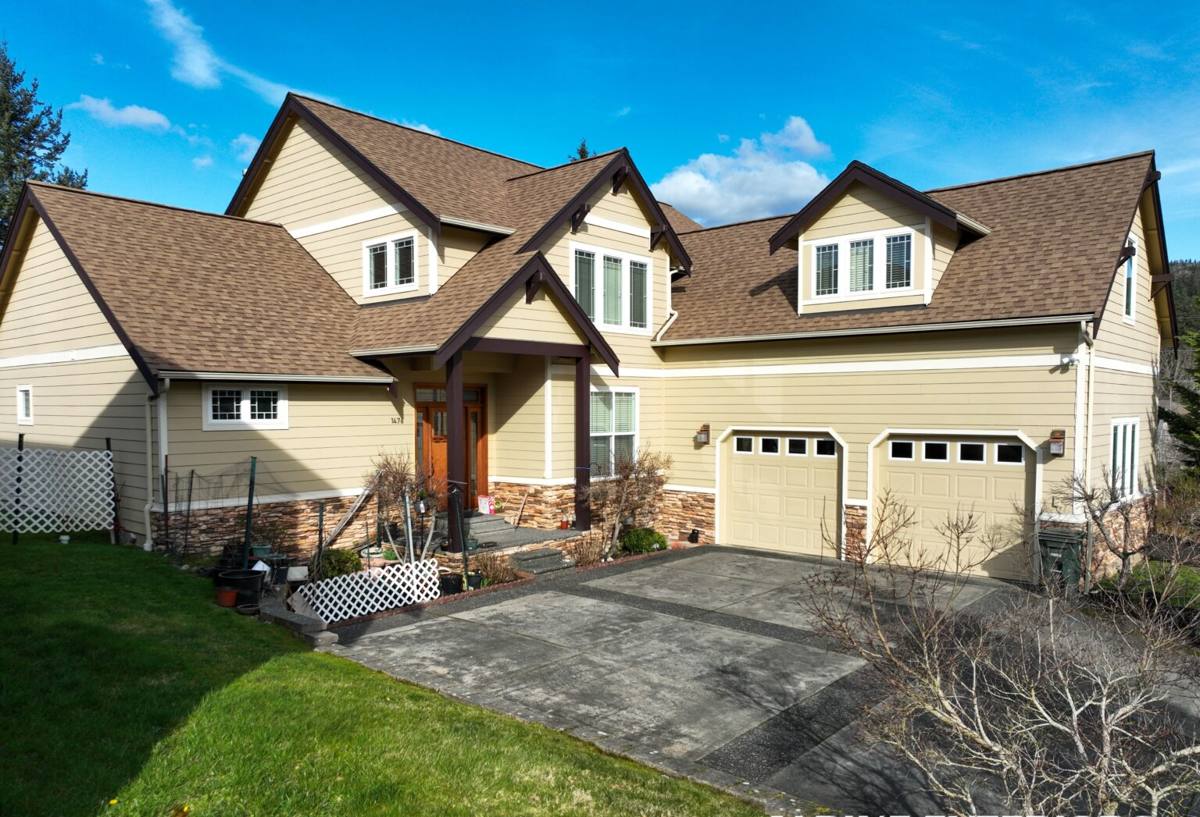
Moss, Shade, and the Long Wet Season
Seattle's rainy season isn't defined by intensity so much as duration. From fall through spring, siding in shaded, tree-lined areas like University District can stay damp for days at a stretch, which is exactly the environment moss and mildew need to take hold. On wood-based siding products, that sustained moisture doesn't just sit on the surface — it works into seams, fastener holes, and any spot where the factory coating has worn thin, softening the material from the inside out.
Driving rain off Puget Sound and the Sound's connected waterways adds a second layer to the problem. Wind-driven rain doesn't fall straight down — it gets pushed sideways into wall assemblies, which means every horizontal joint, window flashing detail, and butt seam is a potential entry point. A siding system that looks fine in a showroom can fail here if it wasn't engineered, and installed, with that horizontal force in mind.
- Shaded, tree-covered lots stay damp longer after rain than open, sun-exposed sites
- Moss and algae growth accelerates on surfaces that don't fully dry between storms
- Wind-driven rain pushes moisture sideways into seams, not just downward off the roofline
- Repeated wet-dry cycles are what eventually swell, warp, or delaminate the wrong siding material
Why We Only Install James Hardie Fiber Cement Siding
We made a standard-wide decision a long time ago: every siding job we do, in every Seattle neighborhood, uses James Hardie fiber cement. We don't install LP SmartSide, vinyl, Cemplank, Allura, or bare primed wood, and we're upfront about why. Those products can be reasonable choices in the right hands and the right climate — but in a market like University District, where moisture exposure is constant and long-term, we've made our professional judgment that Hardie's fiber cement formulation and factory-applied ColorPlus finish hold up more consistently over the life of the siding.
Fiber cement is non-combustible, which matters given how tightly packed many U District lots are. It doesn't swell or rot the way wood-based products can when moisture gets past the surface. And Hardie's HZ5 product line is specifically engineered for climate zones like ours — freeze-thaw cycling combined with sustained moisture — rather than a one-size-fits-all formulation. Standardizing on one manufacturer also means our crews install the same system, with the same details, on every job, instead of relearning a new product's quirks each time.
What Correct Installation Actually Involves
Fiber cement siding is only as good as the installation behind it. The material itself resists moisture and rot well, but if the crew installing it skips the details, water finds its way in regardless of what's on the wall. On a University District home, correct installation means:
Water Management Comes First
Before a single board goes up, the wall needs a proper weather-resistive barrier, correctly lapped and taped, with flashing integrated at every window, door, and horizontal transition. This is the layer that actually keeps water out — the siding itself is the second line of defense, not the first. Rushing or skipping this step is the single most common cause of siding failure we see when we're called out to look at a problem job.
Fastening and Clearances
Hardie siding has specific fastening patterns, nail penetration depth, and spacing requirements set by the manufacturer, and those specs exist for a reason — get them wrong and you void the warranty and open the door to cracking or blow-off in wind events. Just as important in a wet climate: proper clearance between the bottom of the siding and grade, decks, roofs, and paved surfaces, so the board never sits in standing water or gets constant splashback.
Joints, Caulking, and Butt Seams
Every horizontal butt joint is a place water can get behind the siding if it isn't detailed correctly — backed with flashing or a rain-screen gap, not just caulk alone. Caulk is a maintenance item, not a permanent seal, and any installer who treats it as the only line of defense against water intrusion is setting a homeowner up for a callback in a few years.
Matching the Product to University District's Housing Stock
Not every home needs the same siding profile. On the craftsman and Tudor-style homes common to the neighborhood, Hardie's shingle and shake-style panels can echo the original architectural texture without the maintenance burden of real wood shingles. On more traditional lap-sided homes, HardiePlank in a traditional or beaded profile keeps the classic look while updating the performance underneath it. Trim, corners, and soffit work is handled with matching HardieTrim boards so the whole exterior — not just the field siding — is finished in a material built for this climate.
Color matters more here than people expect. ColorPlus finishes are baked on at the factory under controlled conditions, which gives a more even, UV- and moisture-resistant finish than most site-applied paint jobs — and it means touch-up work matches instead of visibly patching. For homeowners who want a specific historical or neighborhood-appropriate color, Hardie's ColorPlus palette covers most of what U District's older housing stock calls for without needing a custom field-paint job that will need repainting again in several years.
Our Process, Start to Finish
- Walkthrough and assessment — we look at the existing siding, trim, flashing, and any signs of past moisture damage before quoting anything
- Tear-off and inspection — once old siding comes off, we check the sheathing underneath for rot or damage that needs to be addressed before new siding goes on
- Water barrier and flashing — house wrap, window and door flashing, and rain-screen detailing installed to manufacturer spec
- Hardie installation — panels, planks, or shingle-style siding installed with correct fastening, spacing, and joint treatment
- Trim, caulking, and finish work — corners, trim boards, and touch-up completed to match the ColorPlus finish
- Final walkthrough — we go over the finished job with the homeowner before calling it done
What Drives the Cost of a Siding Job
Every U District home is different, but a few factors consistently move the price up or down. We give straight, honest ranges during an in-person estimate rather than a number pulled from a phone call, because the condition of what's underneath the old siding often matters more than the square footage.
| Factor | Why It Matters |
|---|---|
| Sheathing condition | Rot or water damage found during tear-off adds repair work before new siding can go on |
| Home style and trim detail | Craftsman and Tudor detailing takes more time than a simple rectangular elevation |
| Number of stories | Access equipment and safety setup add cost on taller homes |
| Siding profile chosen | Shingle-style and specialty profiles run higher than standard lap siding |
| Existing siding removal | Multiple layers of old siding or hidden damage increase tear-off time |
| Window and door count | Every opening needs flashing and trim detail, which adds labor |
Living With Fiber Cement Siding in This Climate
One advantage of switching to Hardie fiber cement is how little ongoing maintenance it asks for compared to wood siding, but "low-maintenance" isn't "no-maintenance" — especially under U District's tree canopy. A short annual routine keeps the siding performing the way it's supposed to for decades.
- Rinse siding down once or twice a year to clear pollen, dust, and early moss growth before it takes hold
- Keep gutters clear so overflow doesn't run down the wall face during heavy rain
- Trim back branches and shrubs that keep sections of siding in constant shade and dampness
- Check caulking at trim joints and penetrations every couple of years and refresh where it's cracked or pulling away
- Look at ground-level clearance periodically, especially where mulch, soil, or paving has crept up over time
Why a Crew That Already Works University District Matters
A siding crew that mostly works drier, more open parts of the country — or even drier parts of Washington east of the Cascades — doesn't have the same instinct for how much this neighborhood's shade and moisture patterns matter. Knowing which walls take the worst of the driving rain, which lots need extra attention to grading and clearance, and how the local housing stock was originally built comes from doing this work here, repeatedly, not from a general contracting background applied to a new region.
That local familiarity shows up in small decisions during a job — where to add extra flashing attention, how to handle a shaded north wall differently than a sun-exposed south wall, and what a King County building department expects to see on a permitted re-side. None of that is exotic knowledge, but it's the kind of detail that separates a siding job that looks good on installation day from one that's still performing well ten years later.
If your University District home's siding is showing moss, worn paint, soft spots, or you're simply planning ahead for a replacement, we're happy to walk the property with you and give a straightforward, no-pressure estimate — no hard sell, just an honest look at what your home actually needs.