 Seattle
 University District Homes Need Siding Built for Seattle's Wet Side
University District is one of Seattle's older, denser close-in neighborhoods, with a mix of early-to-mid-20th-century craftsman and bungalow-style homes alongside newer infill and multi-family rentals serving the University of Washington community. That mix matters for siding decisions. Older homes often carry original sheathing, older flashing details, and decades of prior repair work layered underneath whatever siding is currently on the wall. Newer builds have their own issues — sometimes rushed trim work or value-engineered materials that weren't chosen with this climate in mind. Either way, whatever goes back on the wall needs to hold up to King County's wet-side weather for decades, not just look good on installation day.
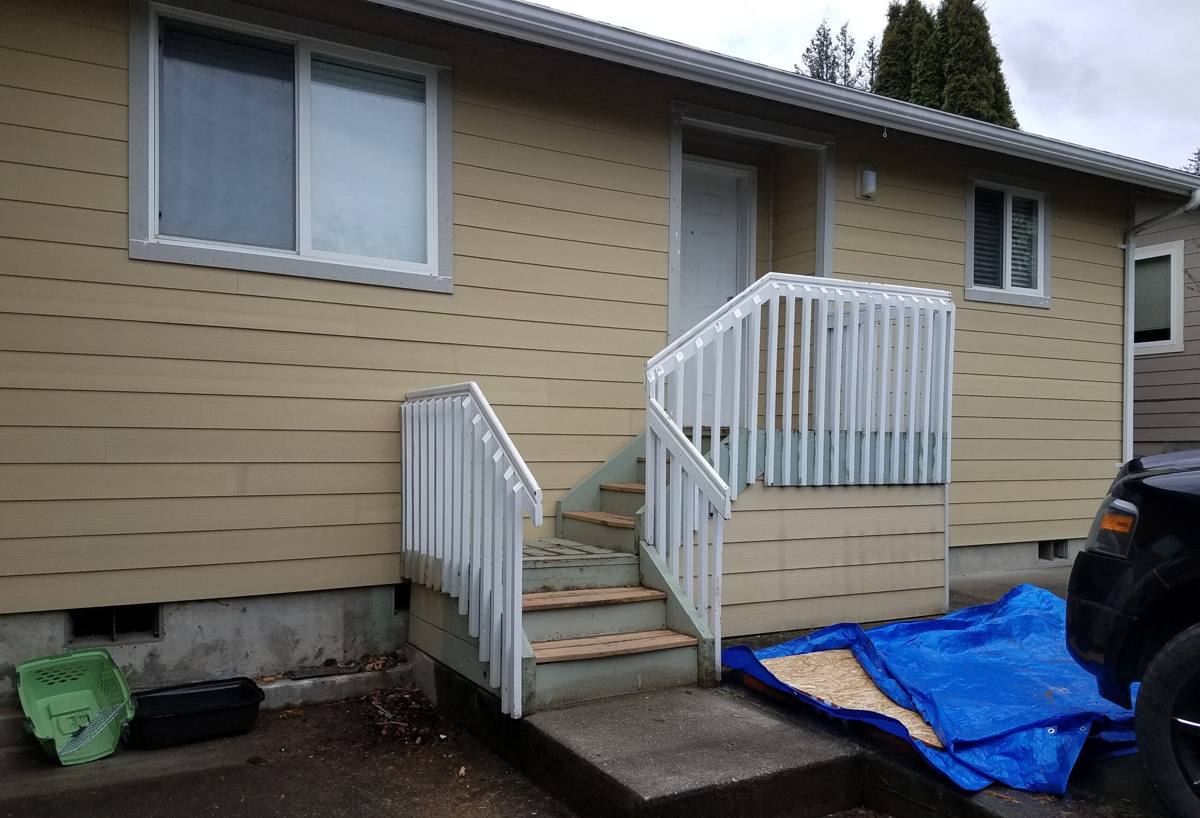
What King County's Climate Actually Does to Siding
Seattle sits in a Puget Sound climate that is genuinely hard on exterior building materials, and University District gets the full package: salt-laden air moving inland off the Sound, driving rain that comes in sideways during winter storms rather than falling straight down, and a moss season that can stretch from early fall through late spring in shaded, tree-covered yards.
Moss, Shade, and the Organic-Growth Problem
Many lots in this part of Seattle have mature tree canopy and homes packed close together, which means plenty of walls stay shaded and damp for long stretches of the year. Moss and algae get a foothold fast on any siding surface that holds moisture, and once established they trap water against the wall rather than letting it shed. Wood-based and wood-composite sidings are especially vulnerable here, since the organic material in the product itself gives moisture something to feed on in addition to what's growing on the surface.
Driving Rain and Wind-Forced Water
Winter storms off the Sound push rain sideways under wind load, forcing water into laps, seams, butt joints, and any spot where flashing or caulking is even slightly off. A siding system that only performs well in a straight-down rain test doesn't tell you much about how it will hold up on a real University District wall during a January windstorm.
Why We Only Install James Hardie Fiber Cement Here
We get asked regularly about LP SmartSide, vinyl, Cemplank, Allura, primed spruce, and cedar. Each of those products has legitimate strengths, and we won't pretend otherwise — but we've made a deliberate decision not to install any of them, and we think homeowners deserve the honest reasoning rather than a sales pitch.
- Engineered wood siding (LP SmartSide): Competitively priced and workable, but it's still a wood-based product. Field cuts and exposed edges need diligent sealing every time, and any gap in that diligence gives moisture a path into the panel — a real risk in a climate with this much sustained wet weather.
- Vinyl siding: Low upfront cost and low maintenance, but it expands and contracts with temperature swings, can crack in a hard cold snap, and tends to look visibly dated within a couple of decades. It also doesn't offer the fire performance of fiber cement.
- Cedar: Genuinely attractive and a Pacific Northwest classic, but it demands ongoing refinishing and staining to keep moss and rot at bay — an upkeep cycle that gets expensive fast in a neighborhood with this much shade and rainfall.
- Cemplank and Allura (other fiber cement brands): Chemically similar to Hardie in some respects, but we've standardized on one manufacturer, one factory finish system, and one warranty structure so we can guarantee consistent results and stand behind every job the same way.
James Hardie fiber cement is non-combustible, engineered in climate-specific product lines (the Pacific Northwest falls under Hardie's HZ5 engineering), finished at the factory with ColorPlus technology rather than field-painted, and backed by one of the strongest transferable warranties in the exterior products business. For a University District home, that combination means less moss-driven maintenance, better resistance to wind-driven rain, and a finish that doesn't need repainting on the schedule wood or vinyl does.
Choosing the Right Hardie Product Line for This Neighborhood
Not every Hardie product fits every wall, and part of doing this job correctly is matching the product to the house rather than defaulting to one profile everywhere.
| Product | Best Use on U District Homes | Why It Fits This Climate |
|---|---|---|
| HardiePlank Lap Siding | Craftsman and bungalow-style main walls | Traditional lap profile sheds wind-driven rain well when installed with proper lap spacing and flashing |
| HardiePanel Vertical Siding | Gable ends, accent walls, modern infill builds | Fewer horizontal laps for water to find, works well combined with board-and-batten detailing |
| HardieShingle | Accent gables on older character homes | Matches historic shingle-style detailing common in this part of Seattle without the upkeep of real wood shingle |
| HardieTrim | Window and door trim, corner boards, fascia | Same non-combustible, factory-finished durability at every transition point, where most leaks actually start |
What a Correct Installation Actually Involves
Fiber cement siding is only as good as the installation underneath it. James Hardie's own installation instructions are detailed for a reason — most siding failures we get called out to inspect trace back to a shortcut taken during install, not a flaw in the material itself.
- A continuous weather-resistive barrier behind the siding, with a drainage gap (rainscreen) so any moisture that does get past the surface can drain and dry out instead of sitting against the sheathing
- Correct flashing at every window, door, and penetration — the details that matter most in wind-driven rain
- Manufacturer-specified fastener type, spacing, and depth, since over-driven or under-driven fasteners are a leading cause of premature siding failure
- Proper clearance from grade, roof lines, decks, and patios so splashback and standing water can't wick into the bottom courses
- Field-cut edges sealed per Hardie's specifications rather than left raw
- Caulking used only where Hardie actually calls for it — over-caulking traps moisture just as badly as under-caulking lets it in
Our Process, Start to Finish
We walk every University District job through the same sequence, regardless of house age or size:
- Inspection and estimate: We assess the existing wall assembly, look for signs of trapped moisture or sheathing damage, and give an honest read on what the job actually involves before we quote it.
- Tear-off and sheathing check: Old siding comes off and we inspect the sheathing underneath for rot or damage that needs repair before anything new goes up.
- Weather barrier and drainage plane: A continuous, correctly lapped weather-resistive barrier goes on, with a rainscreen gap behind the siding.
- Hardie installation to spec: Siding, trim, and flashing go in following James Hardie's published installation instructions — not shortcuts, not "how we've always done it."
- Final walkthrough: We go over the finished job with the homeowner and confirm every detail before calling it done.
What Drives Cost on a University District Siding Job
Every home is different, so we don't quote off a generic price list. These are the factors that actually move the number:
| Cost Factor | Why It Matters Here |
|---|---|
| Home size and number of stories | More wall area and taller elevations mean more material and more staging/access work |
| Tear-off vs. installing over existing siding | Full tear-off costs more upfront but lets us catch and repair any moisture damage hidden underneath |
| Siding profile and texture | Lap width, smooth vs. woodgrain finish, and shingle accents all affect material and labor |
| Trim and architectural detail | Craftsman-era homes often have more window, gable, and corner detailing to trim out correctly |
| Moisture or rot repair needed | Older U District homes sometimes reveal sheathing damage once old siding comes off |
| Site access | Narrow side yards and close lot lines common in this neighborhood can affect staging and scaffolding |
Why a Crew That Already Works This Neighborhood Matters
A siding crew that's worked University District before already understands the housing stock — the older sheathing types, the framing quirks that show up in homes from this era, and the permit process for exterior work in this part of Seattle. They also understand the practical realities of a neighborhood with a lot of owner-occupied homes mixed with student and long-term rentals near campus: scheduling around tenants, coordinating access on tight lots, and working efficiently without disrupting a block that's often busier and more populated than a typical residential street. None of that shows up on a spec sheet, but it shows up in how smoothly the job actually goes.
If you're weighing a siding project on a University District home, we're happy to take a look and give you a straightforward, no-pressure estimate — including an honest assessment of what your current siding and sheathing are telling us before we recommend anything.