 Seattle
 Board & Batten Siding in Wallingford: A Classic Look That Has to Earn Its Keep
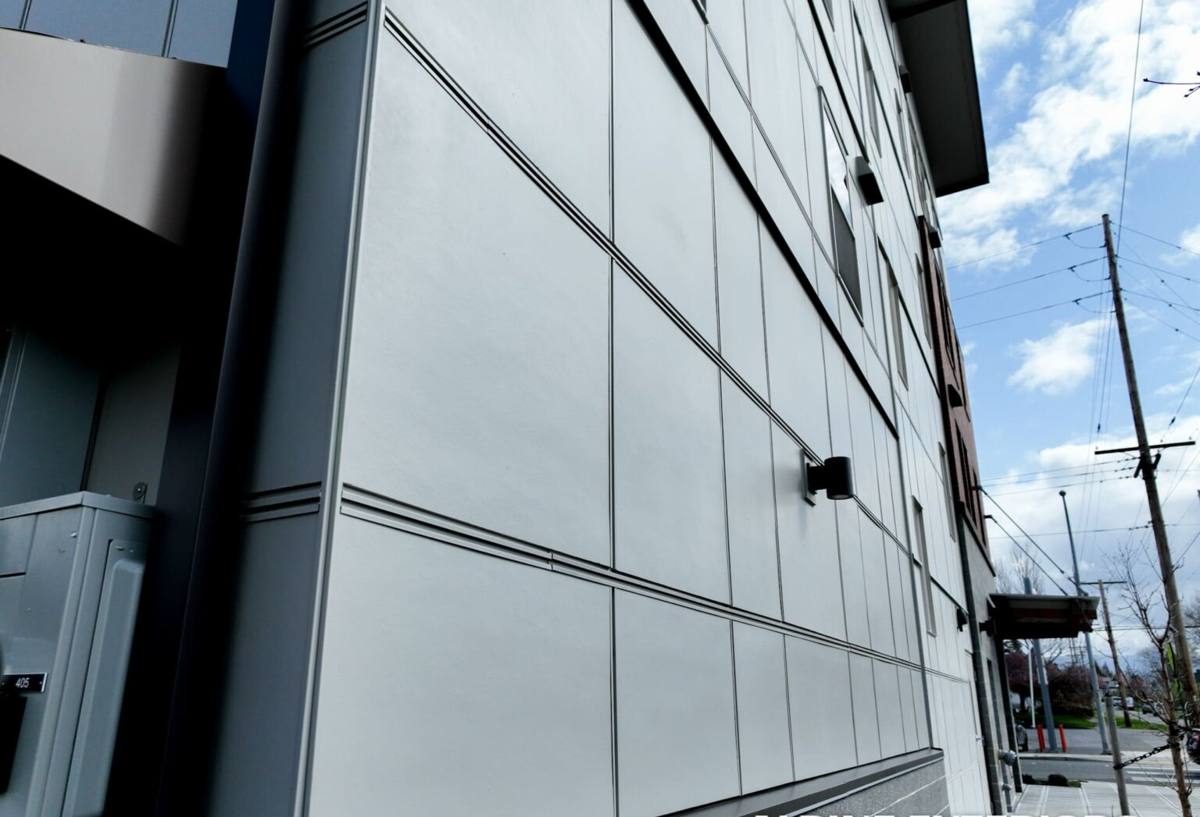
Board and batten has a long history in Seattle neighborhoods like Wallingford, where craftsman bungalows, mid-century remodels, and newer infill homes sit close together on tree-lined streets. The vertical lines read as clean and architectural, and it pairs well with the mix of older and newer homes you find throughout the neighborhood. But board and batten is also one of the least forgiving siding styles when it's installed wrong. The seams, the batten spacing, and the way water is supposed to move behind the boards all depend on details that don't show up in a photo. In a climate like ours, those details are the difference between siding that looks good for twenty-five years and siding that's rotting behind the battens in eight.
This page is about that one service, done right, for homes in this one part of Seattle. We install James Hardie fiber cement exclusively, and board and batten is one of the styles where that choice matters most.
Why Wallingford's Climate Is Hard on Vertical Siding
King County's marine climate brings a combination of stresses that vertical siding styles feel more than horizontal lap siding does. Board and batten creates more vertical seams and more places for water to find a way behind the cladding if the install isn't done to spec.
Salt Air and Moisture
Proximity to Puget Sound means homes across Seattle deal with airborne salt and consistently damp air, even away from the immediate waterfront. That moisture-laden air accelerates corrosion on fasteners and metal flashing, and it keeps wood-based siding products damp longer between dry spells than they'd be in a drier region.
Driving Rain
Seattle doesn't get the heaviest annual rainfall in the country, but it does get long stretches of steady, wind-driven rain, especially in fall and winter. Driving rain pushes water sideways and upward against vertical seams in a way that gravity-fed drainage details have to be specifically designed to handle. A board and batten install without a proper rainscreen gap and correctly lapped flashing will eventually let water track behind the boards.
A Long Moss Season
Shade from mature trees, damp shoulder seasons, and mild temperatures give moss and algae a long window to establish themselves on north-facing and shaded walls. Moss holds moisture against the siding surface far longer than an open, sunny wall would, which is hard on any paint film and even harder on the raw wood edges of an improperly sealed board.
What a Correct Board & Batten Installation Actually Involves
Board and batten looks simple from the street, but the parts you can't see are what determine how it performs over decades.
Drainage Plane and Rainscreen
Behind the boards, there needs to be a weather-resistive barrier and, ideally, a ventilated rainscreen gap that lets any incidental moisture drain and dry out instead of sitting against the back of the siding or the sheathing.
Fastening and Batten Spacing
Battens need to be fastened into framing or properly blocked substrate, with corrosion-resistant fasteners rated for the exposure. Spacing has to account for the wider boards' expansion and contraction, particularly where wood-based products are used.
Flashing at Every Penetration
Windows, doors, hose bibs, light fixtures, and utility penetrations all need step flashing or manufacturer-specified flashing details. Vertical siding has more seams than horizontal lap, which means more opportunities for a shortcut to become a leak point.
Bottom and Top Terminations
The starter strip at the base of the wall and the termination at the soffit or trim both need to shed water outward, not channel it into the wall assembly. This is one of the most commonly rushed details on lower-cost installs.
Why We Install James Hardie for Board & Batten Applications
We don't install vinyl, LP SmartSide, Cemplank, Allura, primed spruce, or cedar board and batten. That's a deliberate standard, not a marketing line, and it's worth explaining honestly.
Wood-based board and batten, whether it's cedar or engineered wood products, looks great on day one, but the exposed edges and vertical seams are exactly where our climate does the most damage. Wood needs consistent paint maintenance and dry conditions to hold up, and Wallingford's moss season and driving rain work against both. Vinyl board and batten avoids rot but expands and contracts more than fiber cement in temperature swings, can look visibly synthetic up close, and doesn't hold paint if a homeowner ever wants to change the color.
James Hardie's fiber cement board and batten systems, including HardiePanel vertical siding paired with HardieTrim battens, are engineered around cement, sand, and cellulose fiber. That composition doesn't rot, doesn't attract insects, and is non-combustible. Hardie's HZ10 product line is engineered specifically for the wetter climate zones that include the Pacific Northwest, with moisture management built into the formulation rather than left entirely to the paint. Combined with a factory-applied ColorPlus finish, the boards resist fading and hold their color far longer than field-applied paint on wood, which matters in a climate where a painter can't always get a dry week to do the job right.
Material Comparison for Board & Batten Siding
| Material | Moisture Performance | Maintenance | Typical Lifespan | Fire Resistance |
|---|---|---|---|---|
| James Hardie Fiber Cement | Engineered for wet climates (HZ10) | Low; factory finish, occasional wash | 30+ years with correct install | Non-combustible |
| Cedar / Primed Wood | Absorbs moisture; edges vulnerable | High; repaint/reseal every few years | 15-25 years with diligent upkeep | Combustible |
| Vinyl | Sheds water but seams can trap moisture | Low; cannot be repainted | 20-30 years, fades over time | Combustible, can deform in heat |
| LP SmartSide / Engineered Wood | Treated but wood-based core | Moderate; edge sealing critical | 20-30 years, install-sensitive | Combustible |
Our Process for Wallingford Board & Batten Projects
Because we work regularly in this part of Seattle, our process is built around the conditions we already know we'll find on these homes.
- On-site assessment. We look at existing wall assembly, moisture history, shading, and sun exposure specific to the lot and orientation.
- Moisture and substrate check. Any existing water damage or compromised sheathing gets identified and addressed before new siding goes on, not covered up.
- Drainage plane installation. A weather-resistive barrier and rainscreen gap are installed to manage the moisture load our climate puts on vertical siding.
- Panel and batten installation. HardiePanel and battens are installed per James Hardie's fastening schedule and clearance requirements, with attention to consistent batten spacing for a clean architectural line.
- Flashing and detail work. Every window, door, and penetration gets properly flashed and lapped to shed water outward.
- Final inspection and cleanup. We walk the job with the homeowner before we consider it finished.
Living With Board & Batten Siding in a Rainy, Moss-Prone Climate
Even with a correctly installed Hardie system, a little seasonal attention keeps things looking sharp and catches small issues before they become expensive ones.
- Rinse shaded, moss-prone walls once or twice a year with a garden hose or soft wash; avoid pressure washers, which can force water behind seams
- Trim back vegetation and tree limbs that keep walls shaded and damp longer than necessary
- Check caulking at window and door trim annually, since caulk is the first line that wears out, not the siding itself
- Look at gutters and downspouts each fall to make sure water is directed away from the base of the walls
- Watch for any soft spots, staining, or peeling near the ground line, which can indicate a drainage or grading issue rather than a siding problem
Why Hiring a Crew That Already Works in Wallingford Matters
Board and batten installation is detail-dependent work, and those details change based on a home's age, orientation, and exposure. A crew that already works in this neighborhood has seen how these specific streets, lot shading patterns, and older home assemblies behave through a full King County winter. That familiarity means fewer surprises once walls are opened up, a better sense of what moisture issues are common on homes of a certain era in this area, and a crew that isn't learning the neighborhood's quirks on your project. It also means faster response if a warranty question or a small adjustment comes up after the job is done, since we're not driving across the region to get back to you.
Getting Started
If you're considering board and batten siding for a home in Wallingford, we're happy to walk the exterior with you, talk through what your walls are dealing with, and give you a straight answer on what correct installation would involve. Reach out for a free, no-pressure estimate using the form below.