 Seattle
 Siding Replacement Built for Wallingford's Climate
Wallingford sits close enough to Puget Sound and Lake Union that salt-tinged air, driving rain off the water, and heavy tree cover all show up in how siding ages here. Add King County's long, wet moss season and you get a set of conditions that punishes the wrong siding choice fast. A wall assembly that works fine in a dry inland climate can start failing within a few years on a shaded, rain-exposed Wallingford lot. Siding replacement done right in this neighborhood isn't just a cosmetic swap — it's a chance to correct water management problems that have likely been building for years.
We work Seattle exteriors every week, and Wallingford's mix of older homes and infill construction gives us a good read on what actually fails here and why. This page covers what your siding is up against, what a correct replacement involves, and how our process works from first look to final walk-through.
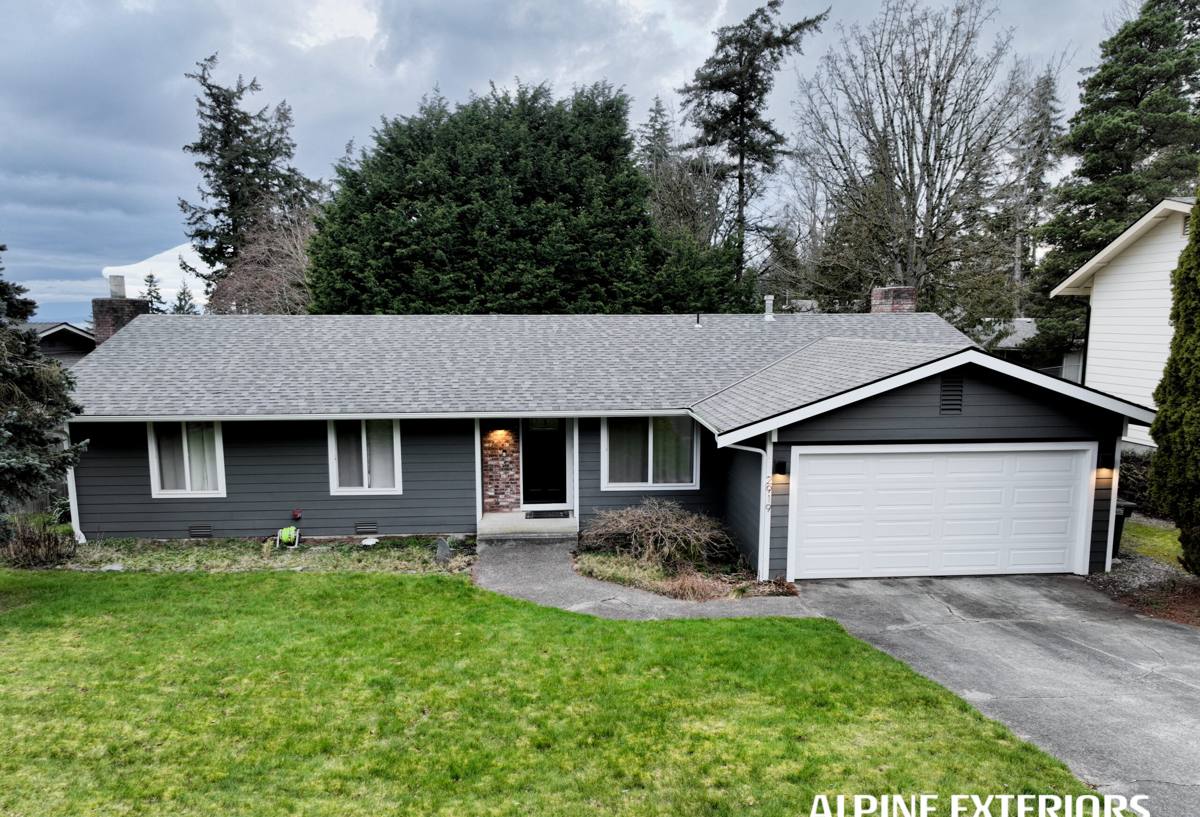
Signs a Wallingford Home Needs Siding Replacement
Siding rarely fails all at once — it shows warning signs first. Homeowners in this neighborhood should watch for:
- Soft or spongy spots when you press on siding near the bottom courses, corners, or under windows
- Paint that keeps failing in the same spots within a year or two of repainting
- Persistent green or black staining that comes back quickly after cleaning, especially on north- and west-facing walls
- Visible cupping, warping, or gaps opening up between boards or panels
- Interior signs — musty smell, peeling paint, or soft drywall — near exterior walls
- Siding that's original to a home built before the 1990s, when water-resistive barrier and flashing standards were far less rigorous
Any one of these can be an isolated repair. Several at once, especially combined with the home's age, usually means the underlying wall assembly is compromised and full replacement is the more honest recommendation.
What Wallingford's Climate Actually Does to Siding
Moss and Algae Under Tree Canopy
Wallingford has a lot of mature tree cover and older lots with less direct sun than newer subdivisions. That shade keeps siding damp longer after every rain, and damp, shaded wood-based or fiber siding is exactly what moss and algae need to take hold. Once moss establishes itself in a seam or lap joint, it holds moisture against the substrate and accelerates whatever decay process is already underway.
Driving Rain Off the Water
Storms moving through the Puget Sound corridor don't just drop rain straight down — wind pushes it sideways into walls, especially on west- and southwest-facing exposures. That driving rain finds every gap in flashing, every unsealed penetration, and every place where siding wasn't lapped correctly. Over years, that's how water gets behind the cladding instead of running off it.
Salt Air and Corrosion
Wallingford isn't waterfront, but it's close enough to the Sound and Lake Union that salt-laden air still reaches exterior surfaces, particularly on upper stories and unshielded walls. Salt air accelerates corrosion of fasteners, trim flashing, and any metal components in the wall assembly — which is one more reason fastener choice and flashing detail matter as much as the siding material itself.
Why We Install Only James Hardie Fiber Cement
We standardized this company on James Hardie fiber cement siding and don't install vinyl, LP SmartSide, or other engineered wood or fiber cement alternatives. That's not a marketing position — it's a decision based on what holds up in exactly the conditions Wallingford homes face.
James Hardie's HZ5 product line is engineered for the Pacific Northwest's wet climate: it resists moisture-driven swelling, doesn't feed rot the way wood-based products can, and is non-combustible, which matters more each year as wildfire smoke and regional fire risk become a bigger part of Western Washington summers. The factory-applied ColorPlus finish also matters here specifically — a baked-on finish holds up better against the repeated wet-dry cycling and moss growth this climate produces than field-applied paint does, and it comes with its own finish warranty separate from the product warranty.
None of that means other products are worthless — vinyl is cheap and low-maintenance in the right application, and engineered wood siding has real fans. But we've made a professional call that fiber cement, installed correctly, is the material that gives Wallingford homeowners the best long-term outcome for the money, and we'd rather install one product exceptionally well than spread our crews thin across several.
What a Correct Siding Replacement Involves
The siding itself is only part of the job. Most siding failures we find in this neighborhood trace back to what's underneath it, not the visible material. A correct replacement means:
- Full tear-off and sheathing inspection — checking for rot, soft spots, or water damage in the wall structure before anything new goes up
- New water-resistive barrier — a properly lapped weather barrier is the actual line of defense against driving rain, not the siding face
- Correct flashing at every penetration — windows, doors, hose bibs, vents, and any other wall penetration get flashed to shed water outward, not trap it
- Manufacturer-specified clearances — Hardie siding needs specific gaps from grade, roofing, and decks to keep splash-back and standing moisture away from the bottom edge
- Correct fastening — proper nail or screw type, spacing, and depth, since over- or under-driven fasteners are one of the most common causes of early siding failure
- Caulking and sealant only where the manufacturer calls for it — over-sealing traps moisture just as badly as under-sealing lets it in
Any crew can hang siding panels. Getting the water management layer right is what separates a replacement that lasts three decades from one that starts failing again in five years.
Our Process, Start to Finish
- Free on-site assessment — we walk the exterior, check problem areas, and give you an honest read on whether you need repair or full replacement
- Written estimate — clear scope, product selection, and pricing, with no pressure to sign on the spot
- Tear-off and inspection — old siding comes off and we inspect sheathing and framing before covering anything back up
- Repair as needed — any rot or damage found gets addressed before new material goes on, not papered over
- Water barrier and flashing installation — the part of the job that actually determines how long the siding lasts
- James Hardie siding installation — installed to manufacturer spec for fastening, clearance, and lap
- Final walk-through — we go over the finished work with you before calling the job done
What Siding Replacement Typically Costs
Every Wallingford home is different, and we don't quote pricing sight unseen — but these are the factors that move the price most:
| Cost Factor | Why It Matters |
|---|---|
| Home size and wall complexity | More corners, gables, and dormers mean more cutting, flashing, and labor time |
| Extent of hidden damage | Rotten sheathing or framing found during tear-off adds repair scope beyond the siding itself |
| Siding profile chosen | Lap width, shingle-style panels, and board-and-batten each carry different material and labor costs |
| Trim and detail work | Window and door trim, corner boards, and fascia detailing add both material and installation time |
| Access and site conditions | Mature landscaping, tight lot lines, or multi-story walls affect scaffolding and staging needs |
| Tear-off vs. re-side | Full removal of old siding costs more up front than covering over it, but it's the only way to inspect and fix what's underneath |
We'd rather walk your specific home and give you real numbers than throw out a broad range that doesn't mean much either way.
Why Hiring a Crew That Already Works Wallingford Matters
A contractor who regularly works this neighborhood already knows what to expect: older wall assemblies, tree-heavy lots that stay damp longer, and the specific rain exposure that comes with proximity to the Sound and the lake. That familiarity shows up in fewer surprises during tear-off and a more accurate estimate from the start. When you're vetting a siding contractor for a Wallingford project, look for:
- A written, itemized estimate — not a verbal ballpark
- Manufacturer certification or documented training on the specific siding product being installed
- A clear answer on who inspects and repairs sheathing damage found during tear-off
- Proof of licensing and insurance specific to Washington State
- A willingness to explain flashing and water-barrier details, not just talk about the finished look
- References or completed work you can actually see, not just photos
If a contractor can't clearly explain how they'll manage water behind the siding, that's a bigger red flag than anything about the siding brand they're proposing.
Ready for an Honest Look at Your Siding
If your Wallingford home is showing any of the warning signs above, or if your siding is simply old enough that you're wondering how much time it has left, we're happy to take a look. Request a free, no-pressure estimate below and we'll give you a straight answer on what your home actually needs.