 Seattle
 Composite Decking in Capitol Hill: Built for Seattle's Wet Side
Capitol Hill homes take a beating from weather that never really stops. Between the fall rains, the gray stretch of winter, and the humidity that lingers under tree cover and tight urban lots, a deck here works harder than a deck almost anywhere else in the country. Composite decking has become the go-to choice for homeowners in this neighborhood precisely because it handles that punishment without the annual maintenance cycle that wood demands. But composite is only as good as the deck structure underneath it and the crew installing it — and that's where a lot of decks in this part of Seattle go wrong.
This page covers what a correctly built composite deck looks like in Capitol Hill specifically: the moisture and moss pressures your deck actually faces, what a proper installation involves, and how our process is built around those conditions rather than a generic install script.
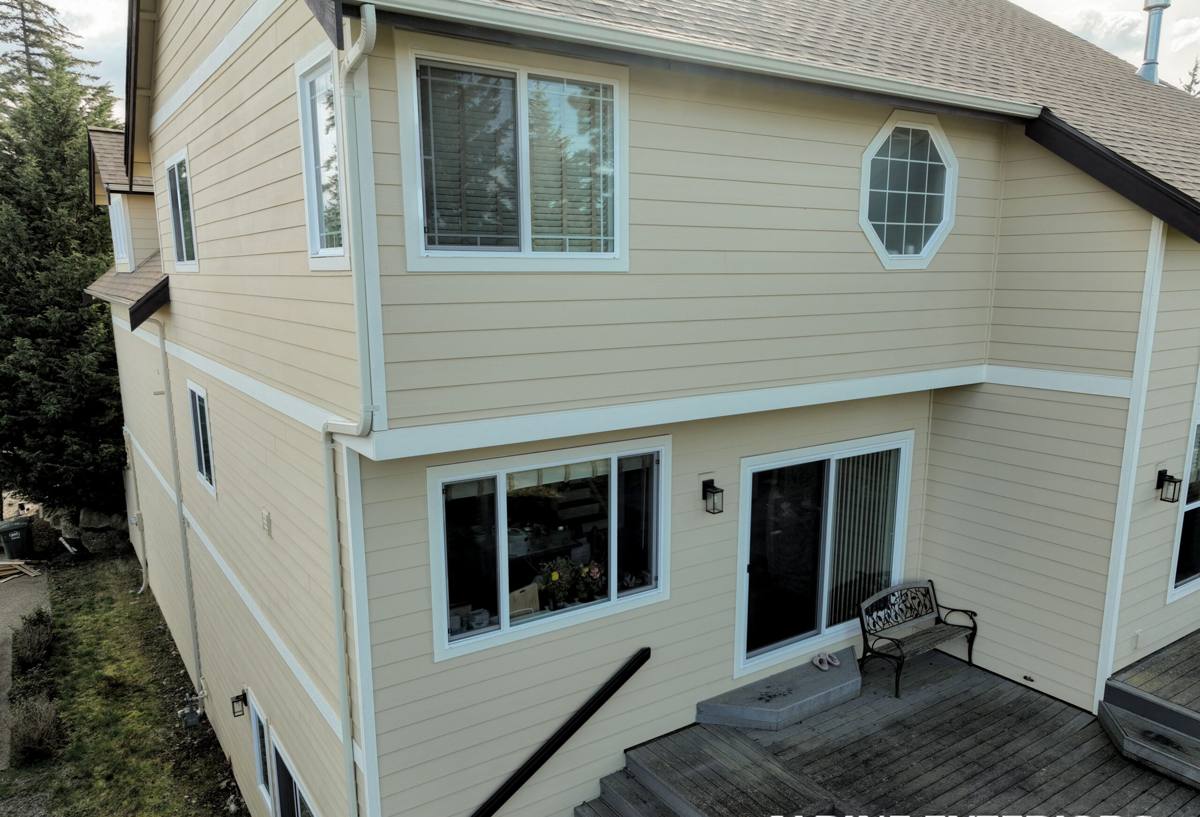
What Capitol Hill's Climate Does to a Deck
Seattle's driving rain doesn't fall straight down — wind pushes it sideways, which means it gets up under rail posts, behind ledger boards, and into any gap that isn't properly flashed. Combine that with salt-laden air that drifts in off Puget Sound and the Sound's connected waterways, and you get a slow, steady corrosion pressure on fasteners and hardware that homeowners rarely think about until a board starts to feel loose or a railing post wobbles.
Then there's moss. King County's long wet season — often stretching from October well into spring — gives moss and algae months to establish themselves on any deck surface that holds moisture. Composite boards resist rot, but they aren't immune to surface growth, and a poorly ventilated substructure or badly sloped surface will grow a green film faster than most homeowners expect.
The three pressure points we watch for on every Capitol Hill deck
- Ledger board attachment to the house — the single most common source of hidden water damage on older Capitol Hill homes
- Substructure ventilation — tight lots and mature tree canopy in this neighborhood mean less sun and airflow than a deck gets in a more open suburb
- Fastener and hardware corrosion — driving rain plus salt air accelerates rust on anything that isn't rated for coastal exposure
Why Composite Makes Sense Here
Wood decking can absolutely be done right, but it asks for a maintenance commitment — annual cleaning, periodic sealing or staining, and vigilance against the moss and mildew that this climate practically guarantees. A lot of Capitol Hill homeowners are working with smaller lots, busy schedules, or rental properties where that upkeep just doesn't happen consistently, and that's usually when wood decking starts to show its age early.
Composite decking shifts that equation. The boards don't absorb water the way wood does, they don't need refinishing, and most modern composites include a cap layer specifically designed to resist staining, fading, and surface mold. That doesn't mean zero maintenance — a composite deck still needs periodic washing to keep moss spores from taking hold in shaded, damp corners — but the maintenance burden is a fraction of what solid wood requires in this climate.
Composite vs. Wood vs. PT Lumber: Honest Trade-offs
| Factor | Composite | Pressure-Treated Wood | Cedar |
|---|---|---|---|
| Moisture resistance | High — capped boards shed water, resist rot | Moderate — treatment slows rot but doesn't stop moss/mildew | Moderate — natural oils help but fade over time |
| Annual maintenance | Occasional wash | Sealing/staining every 1-2 years | Sealing/staining every 1-2 years |
| Upfront cost | Higher material cost | Lowest material cost | Mid-range |
| Lifespan in this climate | Long, with manufacturer warranty backing | Shorter if maintenance lapses | Shorter if maintenance lapses |
| Moss/algae resistance | Good with proper ventilation | Poor without regular cleaning | Fair |
We install all three when that's the right call for a homeowner's budget and goals. But for most Capitol Hill projects — especially decks that see partial shade or sit close to mature landscaping — composite is the option that holds up with the least ongoing effort.
What a Correct Composite Deck Installation Actually Involves
The composite boards themselves get most of the attention, but the structure underneath is what determines whether that deck lasts fifteen years or needs rework in five. On a lot of older Capitol Hill homes, we're not just laying new decking — we're evaluating and often replacing framing that was never built to handle Seattle's rain load in the first place.
Our installation standard covers
- Ledger board flashing with proper house-wrap integration to stop the sideways-driven rain from tracking behind the siding
- Joist spacing and blocking sized for the specific composite product's span rating — composite flexes differently than wood and manufacturer specs matter
- Corrosion-resistant, coastal-rated fasteners and hardware throughout, not standard hardware store fasteners
- Ventilation gaps built into the substructure so airflow can dry out the underside of the deck between rain events
- Proper slope away from the house for drainage, checked with a level rather than assumed
- Hidden fastener systems where the product allows, for a cleaner surface with fewer places for moisture and moss to collect
Skipping any one of these doesn't show up on day one. It shows up two or three winters later, when a soft spot appears near the ledger or a railing post starts to move. That's the pattern we see most often when we're called out to fix a deck that someone else installed quickly.
Permits and Code in Seattle
Most raised composite decks in Seattle require a permit, and King County and city inspectors pay particular attention to ledger attachment, guardrail height, and stair geometry — all areas where driving rain and moisture exposure make corner-cutting especially risky. We handle the permit process as part of the job rather than treating it as optional paperwork, because an unpermitted deck can complicate a home sale or an insurance claim down the line.
Our Process for Capitol Hill Projects
Working in this neighborhood specifically means working around narrow lots, shared property lines, street parking constraints, and older homes where the existing structure isn't always what the original plans show. Our process is built around that reality:
- On-site assessment — we look at the existing structure (if any), check for water damage at the ledger and framing, and evaluate drainage, sun exposure, and access for material delivery
- Design and material selection — sizing, board layout, and product selection based on your home's exposure, budget, and how the deck will actually be used
- Permit and code review — handled before work starts, not after
- Demo and structural correction — replacing any framing or ledger connections that don't meet a standard built for this climate
- Installation — following the fastening, ventilation, and flashing standards above
- Final walkthrough — we go over maintenance expectations specific to your deck's sun exposure and surroundings
Why Local Experience Matters for This Job
A crew that mainly works drier, inland climates will often under-detail flashing and ventilation because they've never had to solve for Seattle's combination of driving rain, salt air, and long wet seasons. We work Capitol Hill and the surrounding Seattle neighborhoods regularly, which means we've already seen how specific lot conditions here — tree cover, uphill drainage, tight side yards — play out over a few winters. That experience shapes decisions on every job, from where we add an extra ventilation gap to which fastener spec we won't compromise on, even when it costs a little more upfront.
It also means faster, more realistic scheduling. We're not estimating drive time from across the county or guessing at what a King County inspector will flag — we already know.
Maintaining Your Composite Deck After Installation
Composite decking cuts the maintenance workload dramatically, but "low-maintenance" isn't "no-maintenance" in this climate. A simple seasonal routine keeps a composite deck looking and performing the way it should for its full service life:
- Rinse and sweep debris off the surface regularly, especially under trees where leaves and needles collect and trap moisture
- Wash the deck once or twice a year with a soft-bristle brush and a cleaner rated for composite to prevent moss and algae from establishing
- Check railings and stair connections annually for any looseness, since fastener corrosion is gradual and easy to miss until it's advanced
- Keep gutters and downspouts near the deck clear so runoff isn't directed onto or under the deck surface
- Trim back overhanging branches where practical to improve sun exposure and airflow
If you're weighing options for a new deck or replacing one that's showing its age, we're happy to take a look and give you a straight assessment — no pressure, no hard sell. Fill out the form below for a free estimate on your Capitol Hill composite decking project.