 Seattle
 Storm Damage in Columbia City: What Homeowners Need to Know
Columbia City's mix of early-1900s bungalows, mid-century houses, and newer infill sits under some of the most persistent wet weather in King County. A single winter storm rarely does dramatic, obvious damage the way a tornado or hailstorm might elsewhere in the country. Instead, Seattle-area storms tend to work a roof over gradually — wind lifts a shingle edge here, driving rain finds a weak seal there, and by the time a leak shows up on the ceiling, the underlying damage has usually been building for weeks or months. Storm damage roof repair in this neighborhood is as much about catching that slow damage early as it is about fixing a single dramatic event.
Because Columbia City sits close to Lake Washington and within the broader Puget Sound weather pattern, homes here deal with a specific combination of stressors: salt-laden air moving in off the Sound, long stretches of driving rain, and a moss season that can run from fall through spring. None of these are unique to this one neighborhood, but together they create a roof-aging pattern that's different from what you'd see in a drier climate, and a repair that doesn't account for it tends to fail again within a year or two.
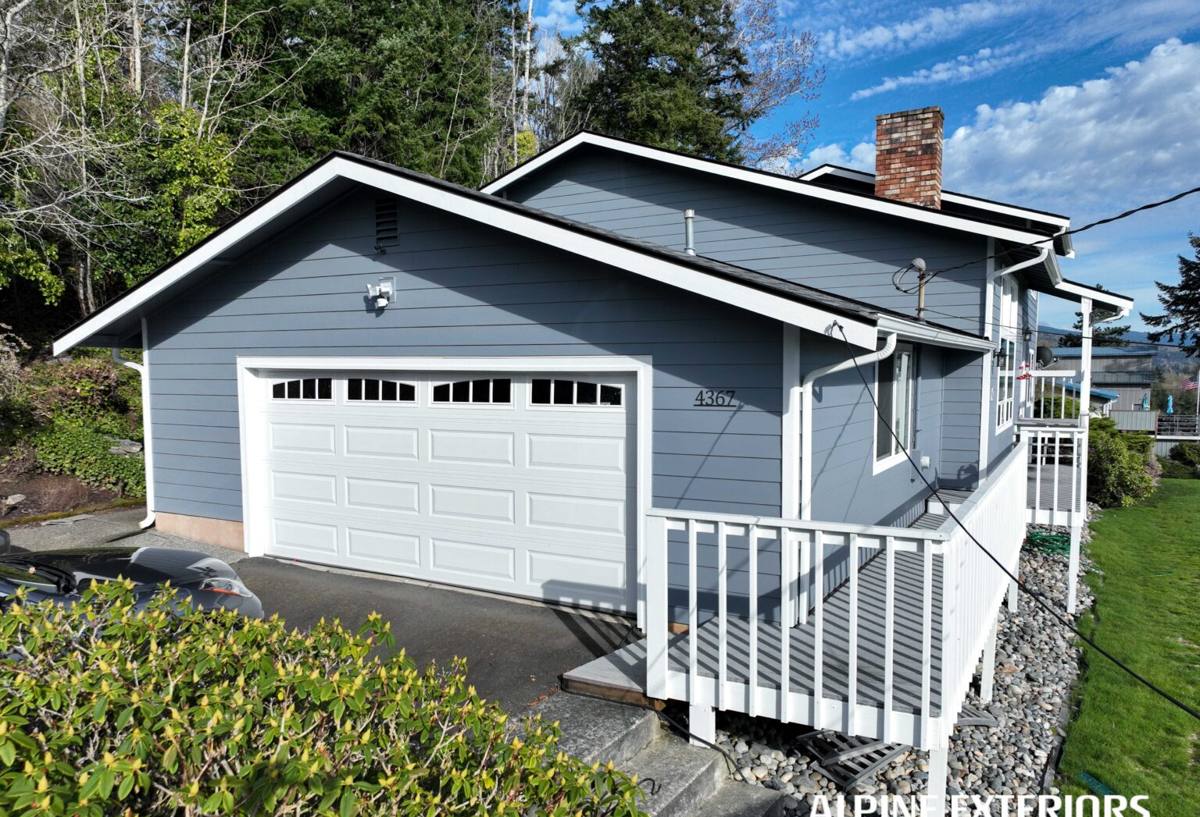
How Seattle Storms Actually Damage a Roof
Understanding the damage mechanism matters because it changes how a repair should be done. Storm damage in this region typically shows up in a few recognizable ways:
Wind-Lifted and Creased Shingles
Gusty winter storms don't need hurricane-force speeds to do damage. Repeated moderate gusts work shingle tabs loose at the seal line, especially on roofs that are already a decade or more old and where the asphalt has started to lose flexibility. Once a tab lifts, the next rain gets underneath it.
Wind-Driven Rain Intrusion
Seattle rain is rarely a hard, brief downpour — it's often a sustained, wind-angled rain that pushes water sideways under flashing, into vent boots, and along ridge caps. Roofing systems designed only to shed water straight down can leak in these conditions even when every shingle looks intact from the ground.
Moss and Trapped Moisture
Columbia City's tree cover and shaded north-facing roof slopes create ideal moss conditions. Moss itself doesn't just sit on top of shingles — its root structure lifts shingle edges and holds moisture against the roof deck. A storm that wouldn't normally cause a leak on a moss-free roof can push water past shingles that moss has already loosened.
Debris Impact
Mature trees are one of the things people love about this neighborhood, but branches and limbs coming down in a windstorm are one of the more common causes of point damage — punctures, cracked shingles, or dented gutters and downspouts.
Signs Your Roof Has Storm Damage
Most storm damage isn't visible from the ground, and by the time it is, water has often already reached the roof deck or attic insulation. After any significant windstorm or extended heavy-rain stretch, it's worth checking for:
- Shingles that look curled, cracked, or are missing entirely, especially near roof edges and ridges
- Granules collecting in gutters or at the base of downspouts (a sign of accelerated shingle wear)
- New or worsening ceiling stains, especially near chimneys, skylights, or where two roof planes meet
- Soft or spongy spots when walking the attic (a sign the deck below has absorbed water)
- Visible moss buildup, particularly on shaded slopes
- Flashing that looks bent, lifted, or separated from the roof surface
- Gutters pulling away from the fascia or sagging under debris weight
Any one of these on its own might be minor. Several together, especially after a known storm event, are a strong signal that it's time for a proper inspection rather than a wait-and-see approach.
What a Correct Storm Damage Repair Actually Involves
A repair that only replaces the shingles you can see from the driveway is a temporary fix. Done correctly, storm damage repair addresses the full path water could have taken, not just the entry point.
Deck Inspection, Not Just Surface Inspection
Once damaged shingles are pulled back, the roof deck underneath needs to be checked for soft spots, delamination, or rot. Reinstalling new shingles over a compromised deck just hides the problem for another season.
Underlayment Condition
The underlayment is the roof's real waterproofing layer — shingles are the first line of defense, but the underlayment is what keeps a roof dry if wind-driven rain gets past them. Storm-damaged sections often need underlayment replaced, not just patched, particularly around valleys and eaves where water concentrates.
Flashing Detail Work
Flashing around chimneys, skylights, vent pipes, and roof-to-wall transitions is where the majority of storm leaks actually originate, even when the shingle damage gets the blame. Re-securing or replacing flashing correctly — with proper overlap and sealant, not just a bead of caulk over a gap — is often the difference between a repair that lasts and one that leaks again in the next storm.
Matching Materials
Where shingles are being replaced rather than the whole roof, matching the existing product's profile, color, and weight matters both for appearance and for how the patched section performs as water sheets across it. A mismatched repair section can create its own small dam where water pools.
How Our Storm Damage Repair Process Works
- Inspection and documentation. We walk the roof (not just view it with binoculars from the ground) and photograph the specific damage, which also gives you a clear record if you're pursuing an insurance claim.
- Honest scope assessment. We tell you plainly whether this is a targeted repair or whether the damage pattern suggests the roof is closer to the end of its service life. We don't pad a repair into a replacement, and we don't patch over something that needs more.
- Written estimate. You get a clear breakdown of materials and labor before any work starts — no verbal ballpark that changes once the tarps come off.
- Repair. Deck, underlayment, flashing, and shingle work is done in that order, addressing the water path rather than just the visible symptom.
- Cleanup and final check. Debris, old materials, and stray nails are cleared from the yard and gutters, and we do a final walk-through so you know exactly what was done.
Repair or Replace? Weighing the Decision
Not every storm-damaged roof needs full replacement, but pretending an aging roof just needs "one more patch" isn't honest either. These are the main factors we weigh with homeowners:
| Factor | Leans Toward Repair | Leans Toward Replacement |
|---|---|---|
| Roof age | Under 12-15 years | Approaching or past manufacturer's expected lifespan |
| Damage pattern | Localized to one section or slope | Scattered across multiple slopes or recurring in the same spots |
| Deck condition | Solid, dry decking under the damaged area | Soft decking, rot, or repeated moisture staining |
| Shingle match | Matching materials still available | Discontinued product, mismatched repair would be visible |
| Moss/algae history | Isolated, manageable with cleaning and treatment | Widespread moss with visible shingle lift across the roof |
A repair done on a roof that's fundamentally past its service life is money spent solving a symptom rather than the cause. We'd rather tell you that up front than sell you a patch that fails again next storm season.
What Storm Damage Repair Typically Costs
Costs vary widely based on the extent of damage, roof pitch and access, and material type, so we won't quote a number without seeing the roof. In general terms, homeowners in this area should expect repair costs to fall into rough tiers:
| Repair Scope | What's Typically Involved |
|---|---|
| Minor | A handful of shingles, minor flashing resealing, localized to one small area |
| Moderate | A full section of shingles, underlayment replacement, flashing rework around a penetration |
| Major | Multiple slopes affected, deck repair needed, extensive flashing and valley work |
If your damage was caused by a specific, datable storm event, a portion of these costs may be covered by homeowners insurance — see the section below.
Storm Damage and Insurance: A Few Honest Notes
We're not insurance adjusters, and we won't promise a claim will be approved. What we can do is document damage thoroughly and give you a straightforward written estimate you can submit to your carrier. A few things worth knowing going in:
- Insurers typically want to see that damage is tied to a specific storm event, not gradual wear — this is another reason prompt inspection after a storm matters
- Photo documentation taken close to the time of the storm strengthens a claim considerably
- Adjusters sometimes underestimate the extent of hidden damage (deck or underlayment) that only becomes visible once shingles are pulled back
- You're generally entitled to choose your own contractor rather than one assigned by the insurance company
Preventing the Next Round of Storm Damage
Columbia City's climate means roof maintenance isn't a one-time event. A few habits meaningfully extend a roof's life between storms:
Moss Management
Regular moss removal and treatment, especially on shaded north-facing slopes, prevents the kind of shingle lift that turns an ordinary rainstorm into a leak. Zinc or copper strips near the ridge can help slow regrowth between cleanings.
Gutter Maintenance
Clogged gutters back water up under the roof edge during heavy rain, which is one of the most preventable causes of storm-related water intrusion. With the tree cover common in this neighborhood, gutters often need clearing more than once a season.
Post-Storm Walkarounds
A quick visual check from the ground after any significant windstorm — looking for shingle debris in the yard, sagging gutters, or obvious displaced material — can catch a problem before the next rain turns it into a ceiling stain.
Why It Matters to Hire a Crew That Already Works This Neighborhood
Storm damage repair isn't just a generic skill — knowing how Seattle's specific weather pattern interacts with the roof styles common in a neighborhood like Columbia City changes where you look for hidden damage and how you detail the repair. A crew that regularly works in this part of King County knows which roof ages and styles are prone to which failure points, understands realistic permitting and access considerations for the area's mix of older and newer homes, and can respond quickly after a storm event when timing matters most for both leak prevention and insurance documentation.
If your roof took a hit in a recent storm, or you're just not sure whether what you're seeing is normal wear or something that needs attention, we're happy to take a look. Request a free, no-pressure estimate using the form below and we'll walk the roof, tell you honestly what we find, and give you a clear written scope before any work begins.