 Seattle
 Seattle's Climate Is Hard on Windows — Here's What Columbia City Homes Need
Columbia City sits in a part of Seattle where the weather doesn't do windows any favors. The Pacific Northwest's marine climate brings salt-tinged air off Puget Sound, months of driving, wind-blown rain, and a moss and algae season that can stretch from fall through spring on shaded lots. Windows are one of the first places that combination shows up as a problem — failed seals, soft trim, fogged glass between panes, drafts around the frame, and sashes that swell or stick as wood absorbs moisture it never fully dries out.
None of that means windows in this neighborhood need to be exotic or over-engineered. It means the installation has to be done correctly the first time, with attention to flashing, drainage, and sealing details that matter more here than they would in a drier climate. A window that's a perfect product but poorly installed will leak and fail years before it should. A modest window installed correctly will outlast it.
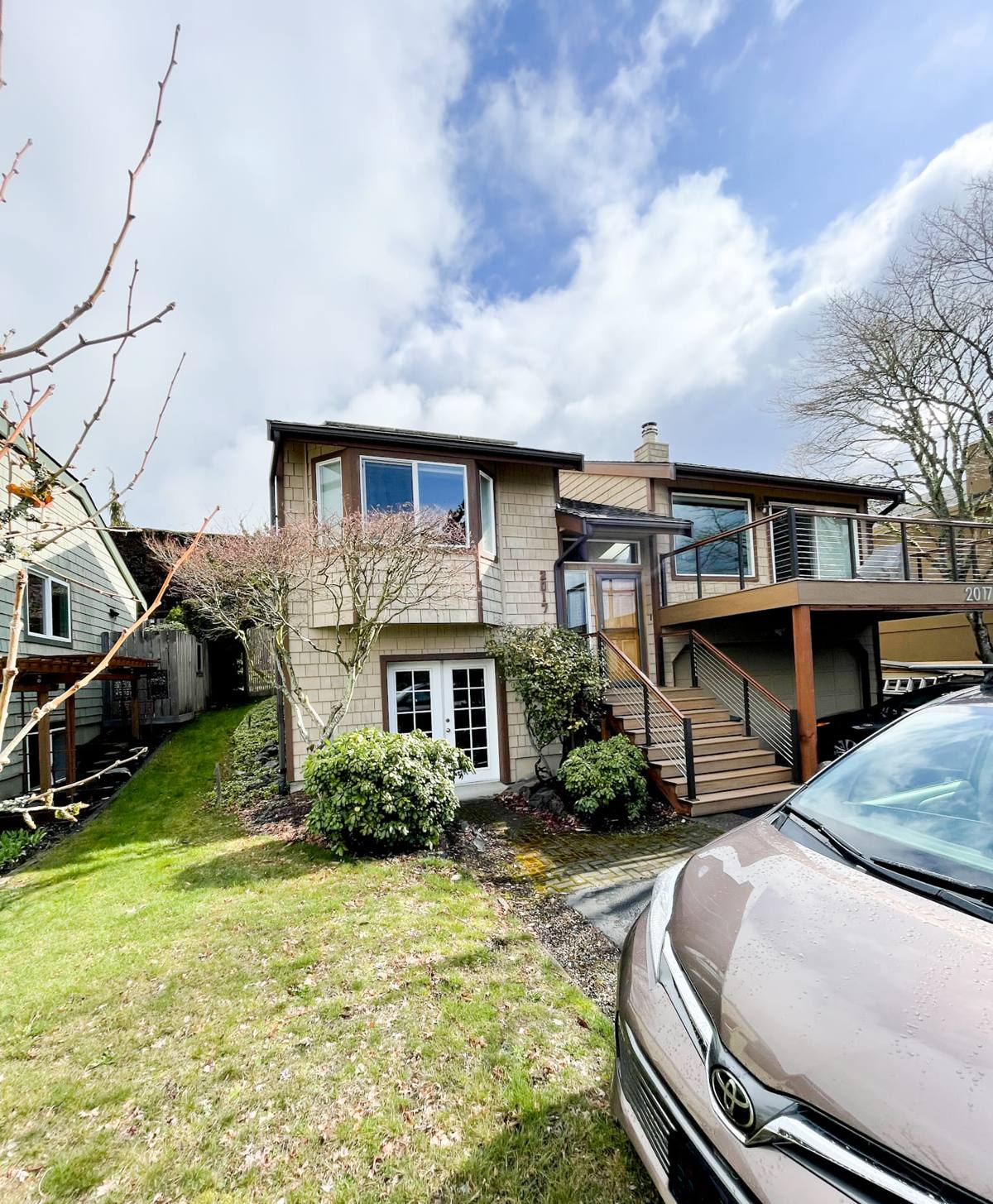
Columbia City's Housing Stock and What It Means for a Window Job
Like much of the Rainier Valley, Columbia City has a mix of early-1900s craftsman and bungalow-style homes alongside newer infill construction and multi-family buildings. That mix matters for window work in a few practical ways.
Older homes
Older houses often have original or previously-replaced window openings that have shifted slightly out of square as the house has settled over decades. That means an installer can't just measure once and order — openings need to be checked individually, and trim work often has to account for minor irregularities that a newer, perfectly square opening wouldn't have. Homes built before 1978 also require lead-safe work practices during removal, which affects containment, cleanup, and disposal.
Newer construction and infill
Newer builds tend to have more standardized openings and modern weather-resistive barriers already in place, which simplifies flashing integration. The tradeoff is that these homes are often built to tighter tolerances, so a sloppy install shows up faster as a visible gap, an uneven reveal, or a draft that wasn't there with the original window.
Signs Your Windows Are Overdue for Replacement
Not every window problem means full replacement, but these are the signs worth taking seriously before the next wet season:
- Fog or moisture trapped between panes of double-pane glass — the seal has failed and can't be repaired
- Visible gaps, soft or spongy wood, or paint that's bubbling around the frame
- Windows that are difficult to open, close, or lock, especially after settling or repainting
- Noticeable drafts or cold spots near the window even when it's fully closed
- Condensation forming on the inside of the glass regularly during cold, wet weeks
- Visible mold or dark staining on interior sills or the wall below the window
- A jump in heating costs that isn't explained by anything else in the home
What a Correct Window Installation Involves
The window itself is only part of the job. In a climate like ours, the installation details are what determine whether that window performs for 20-plus years or starts failing in five.
Flashing and moisture management
Every opening needs a sill pan and flashing that ties correctly into the home's weather-resistive barrier, so any water that gets past the window sheds outward and down rather than into the wall cavity. This is the single most common place corners get cut on a rushed install, and it's the detail that causes the most expensive damage later — usually hidden rot inside the wall that isn't discovered until years after the fact.
Air sealing and insulation
The gap between the window frame and the rough opening needs to be sealed and insulated properly — not overpacked with expanding foam, which can bow the frame, and not left loose, which leaves a draft path and a place for moisture to collect. Backer rod and the right sealant at the exterior perimeter keep wind-driven rain out without trapping moisture inside the assembly.
Fit, shimming, and finish
Every window gets shimmed plumb, level, and square before it's fastened, regardless of whether the opening itself is perfectly true. Interior and exterior trim should be reinstalled or replaced cleanly, with attention to matching existing profiles on older homes where that matters to the look of the house.
Insert Replacement vs. Full-Frame Replacement
One of the first decisions on most jobs is whether to replace just the window unit inside the existing frame (an insert or "pocket" replacement) or remove everything down to the rough opening (a full-frame replacement). Both are legitimate approaches — the right one depends on the condition of what's already there.
| Factor | Insert (Pocket) Replacement | Full-Frame Replacement |
|---|---|---|
| Best for | Existing frame is sound, square, and free of rot | Frame shows rot, water damage, or is significantly out of square |
| Typical cost | Lower — less labor and material | Higher — more labor, trim, and sometimes siding repair |
| Access to flashing | Limited — relies on existing flashing being intact | Full access to inspect and redo flashing and sill pan |
| Glass area | Slightly reduced due to new frame nesting in old one | Can typically match or maximize original glass area |
| Disruption | Faster, less exterior siding disturbance | More involved, may require exterior trim or siding work |
We'll tell you honestly which one your windows call for. If an opening has hidden rot, an insert replacement just seals a problem behind a new window instead of fixing it — that's not a corner we're willing to cut, even if it's the cheaper option in the moment.
Picking the Right Frame and Glass for a Wet, Shaded Climate
There's no single "best" window brand or material — the right choice depends on your home, your budget, and how much upkeep you want to take on. What matters more in this climate is a few specific performance factors:
- Low U-factor — this measures how well the window resists heat loss; lower is better for our heating-dominated climate
- Good drainage design — frames should have weep paths that let any incidental moisture escape rather than pool
- Low-maintenance exterior finish — especially on shaded lots where moss and algae growth on sills and trim happens faster
- Proper glazing for condensation control — double-pane with a quality low-E coating handles our temperature swings well; triple-pane is rarely necessary here the way it is in colder inland climates
We work with several manufacturers rather than pushing one product line, because the right window for a shaded 1920s bungalow isn't always the right window for a newer infill home a block away.
Permits, Code, and Working on Older Homes
Window replacement in Seattle doesn't always require a permit, but certain situations do — most commonly when a window's size or opening is changing, or when the work involves a bedroom egress window that needs to meet current code for emergency escape and rescue. We check this before work starts, not after, so there are no surprises with the city.
On homes built before 1978, lead-safe work practices apply during window removal, since old paint on original sashes and trim can contain lead. That means proper containment and cleanup, not just pulling old windows out and hauling them off. It's a detail that's easy to skip and easy to regret.
How We Handle a Columbia City Window Installation
- On-site assessment of every opening — checking for square, rot, existing flashing condition, and whether insert or full-frame replacement makes sense
- Straight talk on options and a written estimate, with no pressure to upgrade beyond what the home actually needs
- Permit check and pull if the scope requires it
- Careful removal, with lead-safe containment on pre-1978 homes
- Correct flashing, sill pan, and weatherproofing at every opening before the new window goes in
- Precise shimming, sealing, and insulation of the frame gap
- Interior and exterior trim finished to match the home
- Final walkthrough and operation check on every window before we consider the job done
Why a Crew That Already Works in Columbia City Makes a Difference
A crew that regularly works this neighborhood already knows what to expect before they open the wall — the settling patterns common to homes of a certain age, how tree cover on shaded lots changes moisture exposure at the sill, and which permit questions King County and the City of Seattle actually ask. That familiarity shows up as fewer surprises mid-job and a more accurate estimate up front, instead of change orders after the walls are already open.
If your windows are drafty, fogged, hard to operate, or just overdue, we're happy to take a look and give you a straight assessment — no pressure, no inflated scope. Reach out for a free estimate and we'll walk your home's windows with you in person.