 Seattle
 Building Decks for Green Lake's Particular Climate
Green Lake homeowners live with a specific mix of conditions: a busy lake and park environment that keeps yards shaded by mature trees, long stretches of fall and winter rain, and the general marine moisture that Puget Sound pushes across Seattle for much of the year. A deck built here has to handle standing dampness, shaded areas that never fully dry out, and the slow creep of moss and algae that comes with a long wet season. A deck design that works fine in a drier climate can fail quietly in Green Lake within a few years if it wasn't built with these conditions in mind.
We build and repair decks throughout Seattle and King County, and Green Lake presents its own combination of challenges: dense residential lots, mature landscaping that limits sun exposure, and a lake-adjacent microclimate that holds humidity longer than more open parts of the city. None of this makes a deck impossible to build well — it just changes what "well-built" needs to mean.
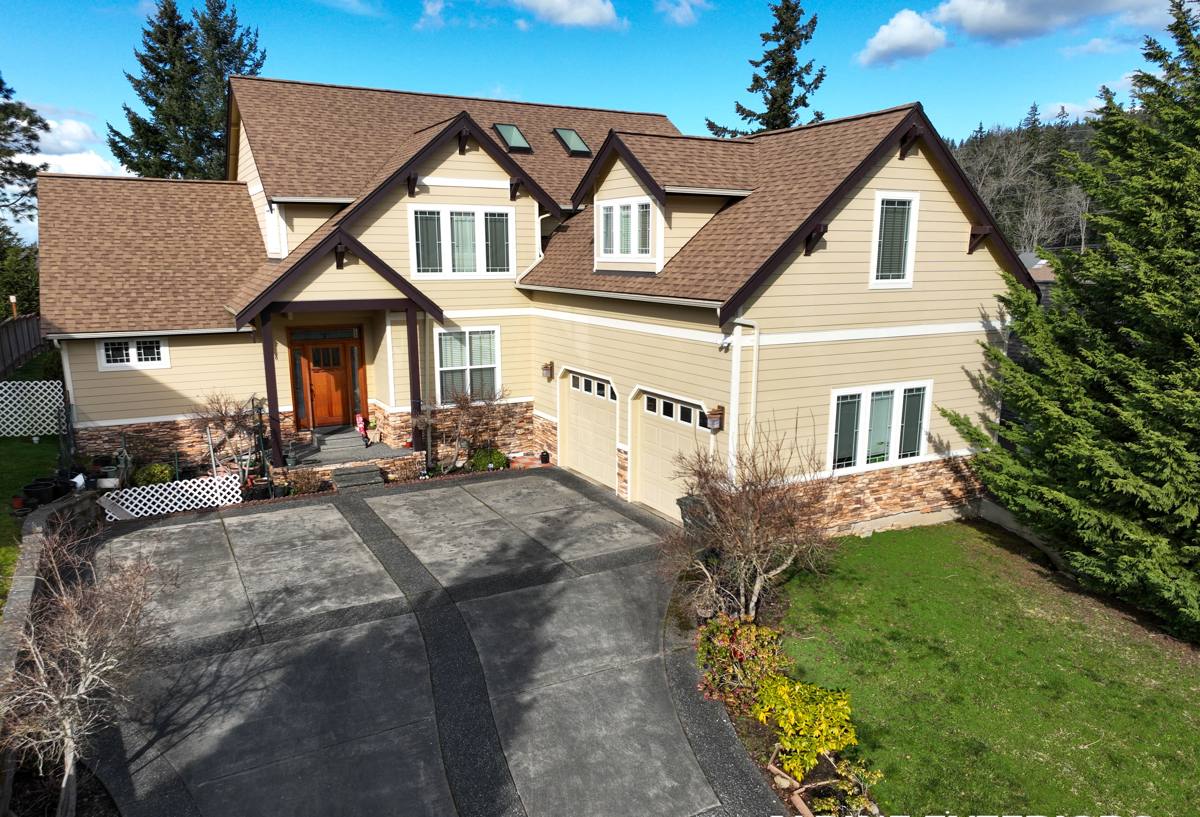
What Seattle's Marine Climate Does to an Improperly Built Deck
Every deck in this region deals with the same basic threats: near-constant moisture from October through May, moss and algae growth wherever shade and dampness combine, and the slow expansion-and-contraction cycle that comes with freeze-thaw swings in colder snaps. Green Lake's tree canopy and lake proximity tend to hold moisture in the air and on surfaces a little longer than in more open, sun-exposed parts of the city, which means:
- Ledger boards and framing that aren't properly flashed can trap water against the house, leading to rot that's invisible until it's structural.
- Shaded deck boards develop moss and slick algae faster, which is both a maintenance headache and a slip hazard.
- Untreated or poorly fastened wood cups, splits, and loosens as it repeatedly absorbs and releases moisture.
- Metal fasteners and hardware that aren't rated for exterior, moisture-heavy use corrode and stain the decking around them.
- Footings set too shallow or without proper drainage can shift slightly over wet seasons, leading to a deck that feels "springy" or uneven within a few years.
None of these are exotic problems — they're the predictable result of building a deck the same way you'd build one in a dry climate. The fix isn't complicated, but it does require treating every connection point, every board choice, and every footing as if the deck will spend half the year wet.
Decking Material Options for a Shaded, Damp Lot
Composite and PVC Decking
Composite decking has become a popular choice in Seattle's wetter neighborhoods because it doesn't absorb water the way wood does, which slows moss growth and eliminates the rot risk in the boards themselves. It costs more upfront than wood, but for a shaded Green Lake yard where boards rarely get a full day of direct sun to dry out, it holds up with less maintenance over time. It still needs to be cleaned periodically — algae will grow on any surface that stays damp — but it won't rot, cup, or split the way wood can.
Cedar and Other Wood Decking
Western red cedar is a longtime regional favorite for good reason: it's naturally resistant to decay and insects, and it looks the part of a Pacific Northwest home. But cedar in a shaded, damp lot needs consistent upkeep — sealing on a regular schedule, cleaning off moss before it takes hold, and periodic inspection of fasteners. We're honest with clients about this trade-off: cedar rewards maintenance and punishes neglect, especially in a spot that doesn't get much direct sun.
Pressure-Treated Framing
Regardless of what decking material sits on top, the structural frame underneath should be pressure-treated lumber rated for ground contact where applicable, paired with corrosion-resistant, exterior-rated fasteners and connectors. This is the part of the deck nobody sees once it's finished, and it's also the part that determines whether the deck is still solid in fifteen years or needs early structural repair.
Comparing Decking Materials for a Green Lake Lot
| Material | Moisture & Moss Behavior | Maintenance | Typical Lifespan |
|---|---|---|---|
| Composite/PVC | Doesn't absorb water; algae can still form on the surface and needs occasional cleaning | Low — periodic washing, no sealing required | 25-30+ years |
| Cedar | Naturally decay-resistant but absorbs moisture in shaded spots without regular sealing | Moderate to high — sealing every 1-2 years, moss removal | 15-25 years with upkeep |
| Pressure-treated pine/fir | Resists rot when properly treated, but surface moisture and moss build up faster than cedar | High — sealing, cleaning, and inspection on a regular schedule | 10-20 years with upkeep |
There's no single "right" answer here — it depends on how much upkeep a household wants to take on and how much direct sun a particular yard actually gets. We walk through this trade-off honestly with every Green Lake client rather than defaulting to whatever's easiest for us to install.
What a Correctly Built Deck Involves
Ledger Flashing and Attachment
Where the deck attaches to the house is the single most common failure point in this climate. Proper flashing — installed so water sheds away from the house rather than behind the siding — combined with correctly sized, corrosion-resistant lag bolts or through-bolts, is non-negotiable. This is also one of the areas building inspectors look at closely, and for good reason.
Footings and Framing
Footings need to be set below frost depth and sized appropriately for the deck's load, with post bases that keep wood off the concrete to avoid wicking moisture. Joist spacing and beam sizing should follow current code span tables, not "what we've always done" — undersized framing is a common shortcut that doesn't show up as a problem until years later.
Fasteners and Hardware
Every screw, joist hanger, and post base should be rated for exterior, ground-contact, or treated-lumber use as applicable. Mixing incompatible metals (like standard steel hardware with modern treated lumber, which is more corrosive to certain metals) is a quiet cause of premature hardware failure that's completely avoidable with the right materials.
Drainage and Airflow Underneath
A deck built low to the ground or over poorly graded soil traps moisture underneath, which accelerates rot in framing and encourages moss on the ground below. Grading the area under the deck and, where height allows, leaving room for airflow makes a real difference over the life of the structure.
Permits and Code in Seattle
Most new decks and significant deck rebuilds in Seattle require a permit, and King County jurisdictions generally follow the same structural principles even where local permitting offices differ. Permitted work means the ledger attachment, footings, and framing get inspected against current code — which is exactly the part of a deck build that matters most and is hardest to check once everything is covered up. We handle the permitting process as part of the job rather than leaving homeowners to navigate it separately.
Our Process for a Green Lake Deck Project
- On-site assessment: We look at sun exposure, drainage, existing structure (for replacements), and how the space will actually be used before recommending materials or layout.
- Design and material selection: We walk through the trade-offs — composite versus wood, railing style, footing layout — based on the specific lot, not a one-size-fits-all package.
- Permitting: We prepare and submit what's needed for the jurisdiction and schedule required inspections.
- Demolition and site prep (if applicable): Removing an old deck safely and checking the condition of the ledger area and any framing being reused.
- Framing and structural work: Footings, posts, beams, joists, and ledger flashing, built to hold up through repeated wet seasons, not just to pass a single inspection.
- Decking, railing, and finish work: Installing the chosen decking material with attention to fastening patterns and spacing that accounts for moisture-driven expansion and contraction.
- Final walkthrough: Reviewing the finished deck with the homeowner, including what maintenance schedule fits the material chosen.
A Homeowner's Maintenance Checklist for a Shaded, Damp Deck
- Sweep off leaves and debris regularly — trapped organic matter holds moisture and feeds moss growth.
- Check for moss or algae buildup each fall and clean it before it becomes slick and embedded.
- Inspect fasteners and railings once a year for looseness, rust staining, or corrosion.
- Reseal wood decking on the schedule recommended for that species — don't wait until it visibly grays and cracks.
- Look underneath the deck periodically for standing water or poor drainage that's developed over time.
- Check the ledger board area at the house for any signs of water staining or soft wood.
Why a Crew That Already Works Green Lake Matters
A deck built by a crew unfamiliar with this specific mix of shade, lake-driven humidity, and long wet seasons often looks fine the day it's finished and starts showing problems within a few years — moss taking hold faster than expected, hardware rusting prematurely, or a ledger connection that wasn't flashed for this level of moisture exposure. A crew that regularly works Green Lake and the surrounding Seattle neighborhoods already knows which details matter here: how footings need to be set given the local soil and drainage patterns, which fastener grades hold up, and which materials are worth the added upfront cost for a shaded lot. That local, repeated experience is the difference between a deck that needs attention every year and one that just quietly works.
If you're planning a new deck or need an honest look at an existing one in Green Lake, we're happy to walk the site and talk through what makes sense for your yard and budget. Use the form below to request a free, no-pressure estimate.