 Seattle
 Deck Building on Beacon Hill: A Different Set of Problems
Beacon Hill sits up above the rest of the city, and that elevation cuts both ways. Homeowners get some of the best sightlines in Seattle, but the same hill that gives you a view also means slope, retaining walls, and a mix of housing stock that ranges from early-1900s bungalows to newer infill construction. A deck built for a flat backyard in the suburbs is not automatically the right deck for a hillside lot in King County, and that's the gap we build to close.
Most of the deck problems we get called out to fix on the hill didn't start as a design flaw — they started as a generic build that never accounted for how much rain this region actually pushes through a structure over a year, or how much shade the mature tree canopy common on Beacon Hill throws onto a deck surface for months at a time. Both of those things matter more here than in most parts of the country, and both are fixable if you plan for them from day one.
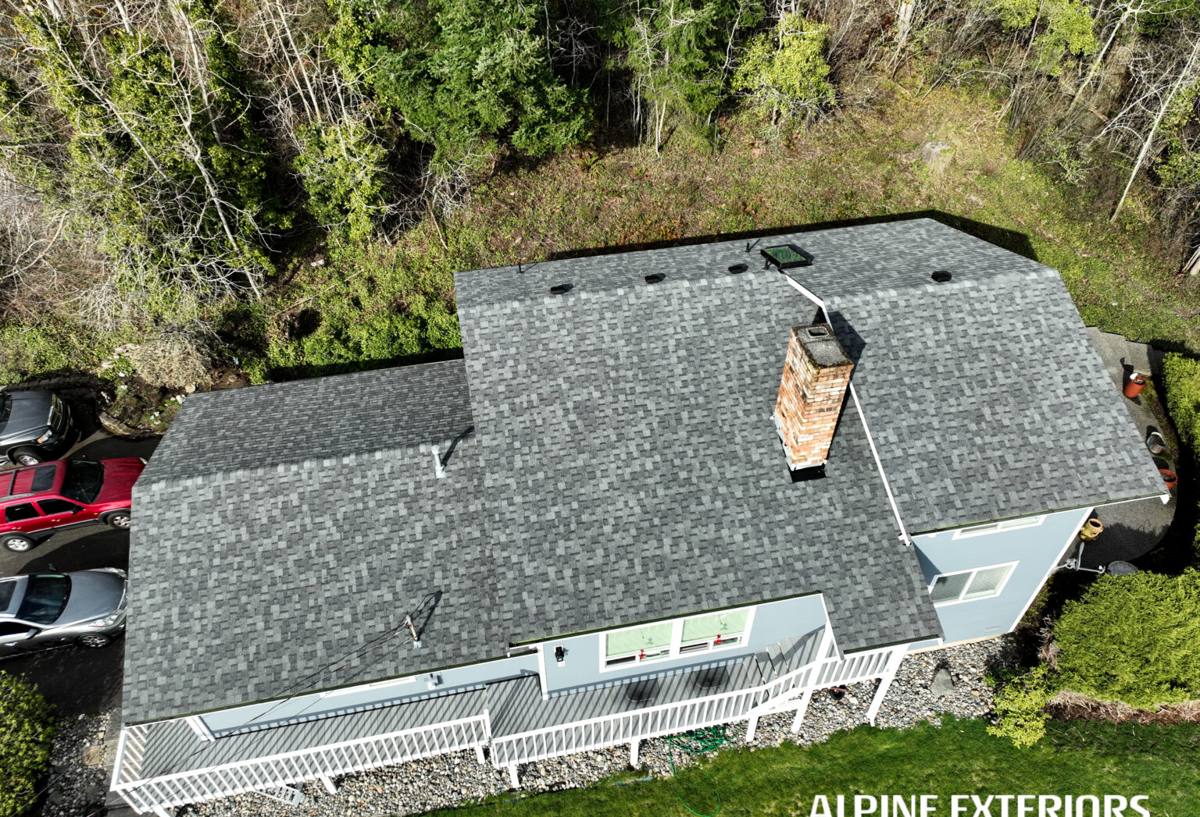
How Seattle's Climate Actually Stresses a Deck
Seattle doesn't get hurricane-force storms, but it gets something arguably harder on a deck: long stretches of steady, driving rain combined with mild temperatures that never quite dry things out. Add the salt-laden air that moves inland off Puget Sound and a moss season that can run from fall through spring, and you've got a climate that's genuinely tough on outdoor wood structures — just in a slow, cumulative way rather than a dramatic one.
Where the damage actually starts
Almost every deck failure we see traces back to one of three things:
- Water sitting where it shouldn't — ledger boards without proper flashing, joists without drip edges, or decking laid tight enough that water can't shed
- Moss and algae holding moisture against the wood surface long after the rain has stopped, especially on shaded sections of the hill
- Fasteners and hardware that weren't rated for the moisture and mild salt exposure typical of this region, leading to corrosion and staining well before the wood itself fails
None of that is exotic. It's just what happens when a deck is built to a generic spec instead of to the conditions it will actually sit in.
What a Correctly Built Deck Involves
A deck is a structure first and a surface second. The parts nobody sees — footings, framing, flashing, fasteners — determine whether the parts everybody sees last.
Footings and framing
Footings need to be sized and set below frost depth and bear on undisturbed or properly compacted soil, which matters more on a hill where fill soil and grade changes are common. Framing lumber should be rated for ground contact or exterior exposure where it's within a few inches of soil or moisture, and every ledger-to-house connection needs continuous flashing so water is directed away from the band joist and siding, not into it.
Decking surface
The decking material is the part homeowners think about most, and it's worth understanding the real trade-offs rather than picking on price alone.
| Material | Upfront Cost | Rain/Moss Behavior | Maintenance |
|---|---|---|---|
| Pressure-treated wood | Lowest | Absorbs moisture, needs sealing to resist moss and rot | Annual cleaning and re-sealing |
| Cedar | Moderate | Naturally rot-resistant but still needs seasonal care in constant damp | Periodic cleaning, oiling, or staining |
| Capped composite | Higher | Sheds water well, resists moss staining better than wood | Occasional washing, no sealing or staining |
| PVC | Highest | Fully synthetic, least absorbent, best moss/algae resistance | Lowest — washing only |
We don't push any one product on every job. A wood deck that's sealed and cleaned on schedule can last for decades in this climate; a composite deck that's never cleaned will still grow algae film, just more slowly. The right call depends on how much upkeep the homeowner actually wants to do, not just the sticker price.
Fasteners and hardware
Every structural connector, screw, and bolt should be corrosion-resistant and rated for exterior and ground-contact use. This is a small line item on a bid and one of the most common places we see cut corners on older decks around the hill — cheap fasteners that streak and weaken years before the wood around them fails.
Hillside Lots Change the Engineering
Beacon Hill has more grade change than most Seattle neighborhoods, and that shows up in how a deck actually gets built.
Elevated and multi-level decks
A deck that steps down a slope, or sits well above grade to reach a usable yard, carries different guardrail, stair, and structural bracing requirements than a low deck at grade. Post heights, lateral bracing, and stair geometry all need to be engineered for the specific elevation change on your lot rather than copied from a flat-lot plan.
Drainage on a slope
Water on a hillside doesn't just fall — it runs. Footings and grading around a deck need to account for where water moving downhill will end up, so it isn't funneled toward the house foundation or pooling against posts. This is a detail that's easy to miss on paper and expensive to fix after the concrete is poured.
Access and staging
Steep or narrow lots common on the hill can also limit how equipment and material get to the build site, which affects sequencing and sometimes the footing method itself (helical piers instead of poured concrete, for example, where access is tight). A crew that hasn't worked hillside lots before will often price the job assuming flat, easy access — and then run into surprises once work starts.
Permits and Code in Seattle
Most decks attached to a house, or any deck built above a certain height off grade, require a building permit in Seattle, and guardrail, stair, and footing requirements are governed by the applicable building code. Permit review also looks closely at how a deck attaches to an existing structure, which is exactly the ledger and flashing detail that causes the most water damage when it's done wrong. Skipping the permit doesn't just create legal risk — it usually means skipping the inspection that would have caught a structural or flashing problem before it was buried under decking.
Our Process
- Site visit: we walk the lot, note slope, drainage paths, sun/shade exposure, and how the deck will tie into the house
- Design and material selection: we go over decking options, footing approach for the specific grade, and railing/stair layout
- Permitting: we prepare and submit what the city requires and schedule inspections at the right points in the build
- Construction: footings, framing, flashing, decking, and railings, in that order, with each stage checked before the next starts
- Final walkthrough: we go over the finished deck with you, including basic care so it holds up through the wet months
Caring for a Deck Through Moss Season
A well-built deck still needs some seasonal attention in this climate. None of it is difficult, but skipping it is how moss and moisture get a head start.
- Sweep leaves and debris off the surface regularly in fall — trapped organic matter is what moss actually feeds on
- Keep gutters and downspouts near the deck clear so runoff isn't dumping directly onto or under it
- Wash the surface at least once a year with a deck-safe cleaner to remove algae film before it takes hold
- Check fastener heads and flashing at the house connection annually for early rust or gaps
- Reseal or re-stain wood decking on the schedule the product actually calls for, not just when it looks faded
- Trim back overhanging branches where shade and moisture are keeping a section of decking damp longer than the rest
Why a Crew That Already Works Beacon Hill Matters
None of the above is unusual knowledge in the trade, but it's the difference between a deck that's built to a generic template and one that's built for this specific hill, in this specific county, under this specific rainfall. A crew that already works Beacon Hill knows the grade changes to expect, has already worked with Seattle's permitting process for decks on sloped lots, and isn't guessing at how much moss exposure a given section of yard will see based on tree cover and sun angle. That local pattern-matching shows up in fewer surprises during the build and a deck that's actually specified for how it will age here — not how it would age in a drier climate.
If you're planning a new deck or trying to figure out whether an existing one on your Beacon Hill property needs repair or replacement, we're happy to take a look and walk you through the options honestly. Reach out for a free, no-pressure estimate — the form below gets you started.