 Seattle
 Renton Decks Face a Tough Climate
A deck in Renton doesn't fail the way one does in a dry climate. It fails from the bottom up and from the inside out. Months of driving rain soak into end grain and fastener holes, moss and algae hold moisture against the surface long after a storm has passed, and the freeze-thaw cycles we get in the colder months work their way into any crack that's already started. By the time a deck looks bad on top, the framing underneath has often been dealing with moisture for years.
We see a lot of decks in this area that were built to a reasonable standard when they went in, but never accounted for how much water King County weather actually delivers over a decade or two. Replacement isn't just about swapping old boards for new ones — it's a chance to correct the drainage, flashing, and structural details that shortened the life of the last deck in the first place.
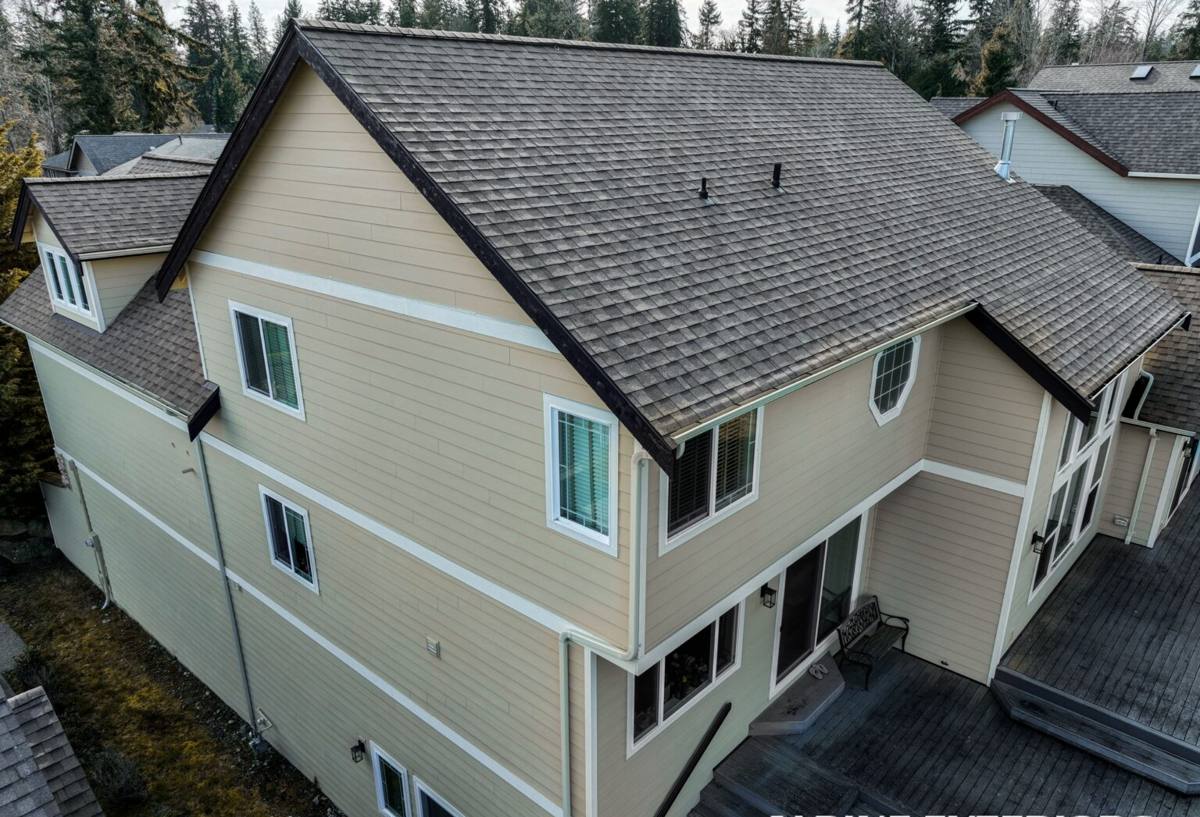
Signs a Deck Needs Replacement, Not Repair
Not every tired-looking deck needs a full teardown. But there's a point where patching boards is just delaying a bigger problem, and spending money on cosmetic fixes over a compromised structure is money wasted. We look at a few things when we're deciding whether repair still makes sense:
- Soft, spongy, or spring-loaded decking boards, especially near the house or in shaded areas that stay damp longer
- Visible rot, splitting, or delamination at the ledger board where the deck attaches to the house — this is the single most common failure point we find
- Rust streaking or loose fasteners, which usually means moisture has been sitting in the wood around them
- Posts or footings that have shifted, settled, or show rot at the base where they meet grade
- A railing that flexes or wobbles under normal weight — this is a safety issue, not a cosmetic one
- Persistent moss or algae growth that keeps coming back within weeks of cleaning, which usually points to a drainage or sun-exposure problem the surface can't fix
If the framing and ledger connection are sound and it's just surface boards showing age, repair or a resurfacing can make sense. If the problems are structural, replacement is the honest recommendation, and we'll tell you which situation you're in before you spend a dollar.
What a Correct Deck Replacement Actually Involves
It Starts Below the Surface
The decking boards are the part everyone sees, but the framing, ledger attachment, and footings determine whether the deck lasts ten years or thirty. A replacement done right addresses:
- Ledger board flashing — proper flashing where the deck meets the house is the difference between water shedding away from your siding and water working its way into the wall assembly. This is the detail most often skipped or done poorly on older decks.
- Footings and posts — checked or replaced to current structural standards, sized for the actual span and load, not just matched to whatever was there before.
- Joist spacing and hardware — corrosion-resistant fasteners and joist hangers rated for exterior use, since the wrong hardware rusts and weakens well before the wood does.
- Drainage under the deck — grading and gaps that let water move away instead of pooling under the structure where it can't dry out.
Then the Surface Material
Once the structure is right, the decking material is what determines how much maintenance you'll be doing every year and how the deck holds up to our wet season specifically.
Choosing a Decking Material for This Climate
There's no single "best" decking material — there's a best material for your budget, your maintenance appetite, and how much sun or shade the deck gets. In a climate with a long moss season and a lot of standing moisture, the tradeoffs matter more here than they would somewhere dry.
| Material | How It Handles Wet Weather | Maintenance | Typical Lifespan |
|---|---|---|---|
| Pressure-treated wood | Prone to moss, splintering, and checking if not sealed regularly | Annual cleaning and re-sealing/staining | 10–15 years |
| Cedar | Naturally rot-resistant but still needs upkeep in shaded, damp areas | Periodic sealing to maintain resistance | 15–20 years |
| Composite (capped) | Doesn't absorb moisture, resists moss growth on the board itself | Occasional washing, no sealing or staining | 25–30+ years |
| PVC decking | Fully moisture-resistant surface, best in constantly shaded or wet spots | Low — periodic washing | 25–30+ years |
Composite and PVC cost more up front, but in a climate where wood is fighting moisture nine months out of the year, the lower maintenance often makes sense for homeowners who don't want to be re-sealing a deck every spring. Wood still has a place — it's more affordable and some homeowners simply prefer the look and the ability to refinish it — but we're honest that it asks more of you in upkeep here than it would in a drier region.
Our Deck Replacement Process
- On-site assessment — we inspect the existing deck, ledger connection, footings, and framing to determine what's actually failing versus what's cosmetic.
- Honest scope and estimate — you get a clear picture of what full replacement involves, what material options fit your budget, and what we'd recommend given the site's sun exposure and drainage.
- Permitting — deck replacement in this area typically requires a permit through the local jurisdiction, and we handle that process rather than leaving it on you.
- Demolition and structural rebuild — old decking, framing, and any compromised footings or posts come out; new structure goes in to current code, with correct flashing at the house connection.
- Decking installation — boards, fasteners, and railing installed to the manufacturer's specifications, which matters most for composite and PVC products where improper spacing or fastening can void a warranty.
- Final walkthrough — we go over the finished deck with you, including what maintenance (if any) the material needs going forward.
Permits and Local Building Requirements
Most deck replacement work in King County jurisdictions requires a permit, particularly when footings, framing, or the ledger attachment are being altered — which is nearly always the case in a real replacement rather than a resurfacing. Requirements around railing height, guard spacing, and structural attachment are there for a reason: they're based on decades of decks failing in exactly the ways described above. We build to code as a baseline, not an upsell, and we manage the permit process so it isn't another thing on your plate.
What Affects the Cost of a Deck Replacement
Every deck is different, so we won't quote a number without seeing the site, but these are the main factors that move the price up or down:
| Factor | Why It Matters |
|---|---|
| Deck size and shape | More square footage and more cuts around corners or curves means more material and labor |
| Decking material chosen | Wood, composite, and PVC span a wide price range and affect long-term maintenance cost too |
| Condition of the substructure | Rotted footings or posts add rebuild work beyond just the visible decking |
| Height off grade | Taller decks need more substantial framing, stairs, and guard rail work |
| Railing style | Basic wood rail versus composite, cable, or glass systems changes cost significantly |
| Site access | Decks that are hard to reach with equipment or material take longer to build |
Keeping a New Deck Healthy Through the Wet Season
A well-built deck in the right material still benefits from basic upkeep, especially in a climate that stays damp for months at a stretch. A little attention each year goes a long way:
- Sweep off leaves and debris regularly in fall — trapped organic matter holds moisture against the surface and feeds moss growth
- Keep gutters and downspouts near the deck clear so runoff isn't dumping directly onto or under it
- Check the ledger board area yearly for any sign of staining or softness where the deck meets the house
- For wood decks, plan on cleaning and re-sealing on a regular schedule rather than waiting until it visibly needs it
- For composite or PVC decks, an occasional wash is usually all that's needed — but check fastener and railing connections periodically regardless of material
Why a Crew That Already Works in Renton Matters
Deck failures in this region follow patterns — ledger rot from missing flashing, moss buildup in shaded north-facing yards, footing movement in soil that stays saturated for weeks at a time. A crew that works Renton and the greater Seattle area regularly has already seen those patterns play out on dozens of other decks, which means less guesswork on your project and fewer surprises once the old decking comes off. We know what a permit review in this area actually looks for, and we build with this specific climate in mind rather than applying a generic approach and hoping it holds up.
If your deck is showing its age, we're happy to take a look and give you a straightforward assessment of whether it needs full replacement or just targeted repair. Reach out for a free, no-pressure estimate — the form below gets you started.