 Seattle
 Why Window Replacement in Shoreline Isn't a One-Size-Fits-All Job
Shoreline sits right on Puget Sound, and that location shapes what a window has to survive here. Homes a few blocks from the water deal with salt-laden air working into frame joints and hardware. The whole city gets driving, wind-pushed rain off the Sound rather than gentle straight-down drizzle, which finds gaps that a calmer climate would never expose. And the long stretch of wet, low-light months from fall through spring means anything organic — wood trim, caulking, even dust in a window track — has months to grow moss and mildew before it ever really dries out. A window that performs fine in a dry inland climate can fail early here if it wasn't chosen and installed with these conditions in mind.
Energy efficiency and durability are the same conversation in a climate like this. A window that leaks air also tends to be a window that eventually leaks water, and a window that's fighting constant moisture will lose its energy performance over time as seals degrade and frames swell or rot. We treat the two as one job, not two separate upgrades.
What We See in Shoreline's Housing Stock
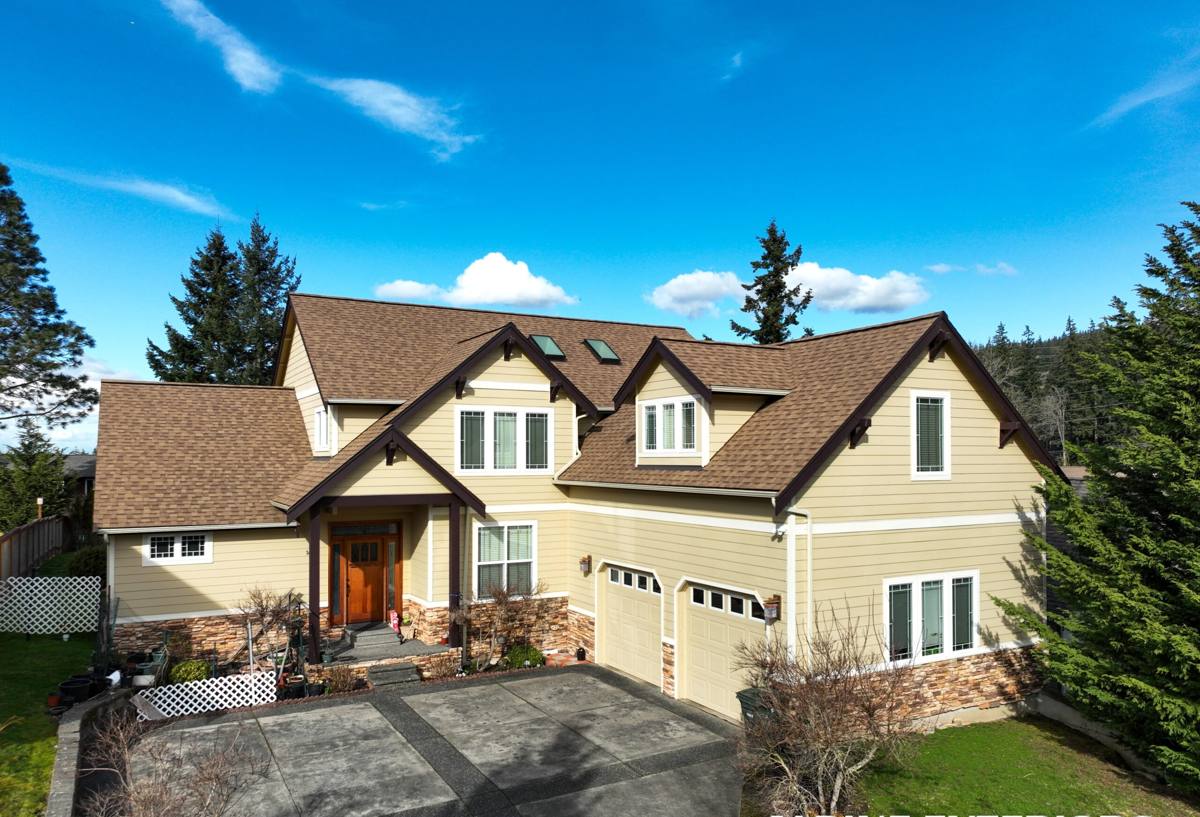
A large share of Shoreline's homes were built during the mid-century boom, meaning a lot of ranch and split-level houses still carrying their original aluminum-frame single-pane windows, or a later round of dated double-pane replacements installed decades ago. Aluminum conducts cold straight through the frame, which is why those windows often sweat and frost on the inside during a cold snap — that's not condensation from a leaky window, it's the frame itself acting like a cold bridge. Older wood-frame windows in the area frequently show soft spots at the bottom rail and sill, where years of Puget Sound rain have wicked into end grain that was never properly sealed.
Newer construction and prior remodels around Shoreline are more likely to have vinyl or fiberglass windows already, and those jobs usually need less structural correction — but flashing details and sealant joints still age and need attention, especially on walls that take the brunt of weather coming off the water.
Signs a Shoreline home's windows are underperforming
- Visible condensation or frost between the glass panes (a failed seal, not just a humid day)
- Cold drafts near the frame even with the window fully latched
- Soft, discolored, or spongy wood at the sill or bottom corners
- Black or green growth on the frame, sash, or exterior trim that returns after cleaning
- Rooms that are noticeably harder to heat than the rest of the house
- Difficulty opening, closing, or locking the window due to swelling or warping
What "Energy-Efficient" Actually Means for This Climate
Window performance is described with a few standard ratings, and in a Puget Sound climate they don't all carry equal weight. This region is heating-dominated for most of the year, so keeping warm air in matters more than blocking solar heat gain the way it would in a hot, sunny climate.
| Rating | What it measures | Why it matters in Shoreline |
|---|---|---|
| U-Factor | How well the window resists heat loss (lower is better) | The most important number here — a low U-factor keeps homes warm through our long heating season |
| Solar Heat Gain Coefficient (SHGC) | How much solar heat passes through the glass | Less critical than U-factor locally, though west- and south-facing rooms with a lot of glass still benefit from a moderate SHGC to manage glare and summer afternoon heat |
| Air Leakage (AL) | How much air passes through the assembly | Directly tied to draft complaints and also to moisture intrusion during wind-driven rain |
| Condensation Resistance | How well the window resists interior condensation | Important in a damp climate with long cold, wet stretches |
Look for the NFRC label on any window you're quoted — it's the independent rating sticker, and it lets you compare products on real numbers instead of marketing language.
Frame Materials: How They Hold Up to Salt Air and Constant Rain
Frame material has a bigger impact on long-term performance near Puget Sound than most homeowners expect, because it determines how the window handles moisture and salt exposure over 20-plus years, not just how it performs on day one.
| Frame Material | Moisture & Salt Air Performance | Maintenance |
|---|---|---|
| Vinyl | Won't rot or corrode; performs well in coastal-adjacent air; seams and welds matter for long-term water tightness | Low — occasional cleaning |
| Fiberglass | Very stable in wet, temperature-swinging conditions; strong resistance to warping | Low |
| Wood-clad | Good insulating properties, but any breach in the exterior cladding exposes wood to rot risk given our rain totals | Moderate — cladding and joints need periodic inspection |
| Aluminum | Durable against impact but conducts cold and is more prone to condensation; can pit over time near salt air | Low, but thermal performance is the trade-off |
We don't push one material on every home. A vinyl or fiberglass window is often the practical choice for a straightforward replacement, while wood-clad can make sense on a home where the interior wood look matters and the cladding detail is sound. What we won't do is install a product where the frame's known weak points don't match the exposure that wall actually gets — a west- or water-facing elevation in Shoreline is a different conversation than a sheltered, covered porch wall.
Installation Details That Matter More Than the Glass
The single biggest factor in whether a new window performs well here isn't the brand or the glass package — it's how the opening is flashed, sealed, and integrated with the siding around it. Driving rain off the Sound will find any gap in that system, and once water gets behind a window into the wall cavity, it can cause damage long before anyone notices a problem from inside.
What a correct installation includes
- Removing old sealant and inspecting the rough opening and sill framing for hidden rot before anything new goes in
- Installing sill pan flashing so any water that does get past the window drains back out, not into the wall
- Proper head flashing and integration with the existing weather-resistive barrier and siding, so water sheds over the window instead of behind it
- Correct shimming and fastening so the frame doesn't bow, which is what causes air and water leaks even on a well-rated window
- Interior and exterior sealant appropriate for our climate, not a generic caulk that hardens and cracks within a couple of wet seasons
A high-performing window installed poorly will underperform its own rating. A modest window installed correctly will often outlast and out-perform a premium one that was rushed.
Moss, Mildew, and Keeping Windows Performing Long-Term
Shoreline's moss season is long, and it doesn't just affect roofs. Wood sills, exterior trim around windows, and even vinyl tracks that don't drain well can collect moisture and organic growth over the wet months. Left alone, that growth holds moisture against the frame and accelerates wear, especially on wood or wood-clad units. Part of choosing the right window for this area is making sure sills are pitched to shed water and that weep holes and drainage paths aren't blocked by trim or landscaping.
Simple upkeep extends the life of any window here: keep weep holes clear, rinse accumulated grime and organic debris off sills a couple times a year, and address any cracked or shrinking sealant before the next wet season sets in rather than after water damage shows up.
Our Process for a Shoreline Window Replacement
We keep the process straightforward and give homeowners a clear picture of what they're getting before any work starts.
- On-site assessment — we look at each window opening individually, not just the house as a whole, since exposure varies by elevation
- Honest recommendation — frame material and glass package matched to that wall's actual exposure and your budget, explained in plain terms
- Permitting — window replacement in the City of Shoreline can require a permit depending on scope; we handle that process so you don't have to track it down yourself
- Removal and inspection — old windows come out carefully so we can check the rough opening for hidden moisture damage before it's covered up again
- Correct installation — flashing, shimming, and sealing done to hold up against our specific weather, not a generic install
- Final walkthrough — every window operates, locks, and seals correctly before we consider the job done
What Drives Cost on a Shoreline Window Project
We're not going to quote a number here that means nothing without seeing your home, but these are the real factors that move the price up or down:
| Factor | Effect on Cost |
|---|---|
| Frame material (vinyl vs. fiberglass vs. wood-clad) | Vinyl is typically the most budget-friendly; fiberglass and wood-clad run higher |
| Extent of hidden rot or rough-opening damage | Repairing damaged framing adds cost but is not optional if found |
| Number and size of window openings | Larger jobs bring per-window pricing down somewhat through efficiency |
| Glass package (standard double-pane vs. upgraded coatings) | Upgraded low-E coatings and gas fills add cost but improve U-factor |
| Access and elevation (second story, tight sightlines) | More difficult access adds labor time |
We'll always walk you through which of these apply to your home and why, before you commit to anything.
Why a Crew That Already Works Shoreline Makes a Difference
A contractor who works this specific area regularly already knows how Shoreline's mix of mid-century and newer construction tends to be built, what kind of rot and window failures show up on which elevations, and how the City of Shoreline's permitting process works — none of which you get from a crew that's unfamiliar with the area or only passing through King County occasionally. That local familiarity shows up in fewer surprises during the job and a better match between the product we recommend and what your home actually needs to hold up against Puget Sound weather year after year.
If you're dealing with drafty, foggy, or hard-to-operate windows, or you're just planning ahead for a home in Shoreline, we're happy to take a look and give you a straightforward, no-pressure assessment. Use the form below to request a free estimate.