 Seattle
 Roof Repair Built for Magnolia's Peninsula Climate
Magnolia sits out on its own peninsula, bordered by water on multiple sides, with hillside and bluff-top homes that catch weather the rest of Seattle doesn't get quite as directly. That geography is part of what makes the neighborhood desirable, and it's also exactly why roofs here take a different kind of beating than roofs a few miles inland. Salt-tinged air off the Sound, wind-driven rain that gets pushed sideways and up under roofing edges, and a moss season that runs long on shaded slopes all add up over time. A roof repair done right in Magnolia accounts for all of that, not just the immediate leak or missing shingle.
This page covers what actually goes into a correct roof repair for a Magnolia home — what the local climate does to roofing materials, how to tell a repair from a job that really needs replacement, what our process looks like, and why it matters that the crew on your roof already knows this specific stretch of King County.
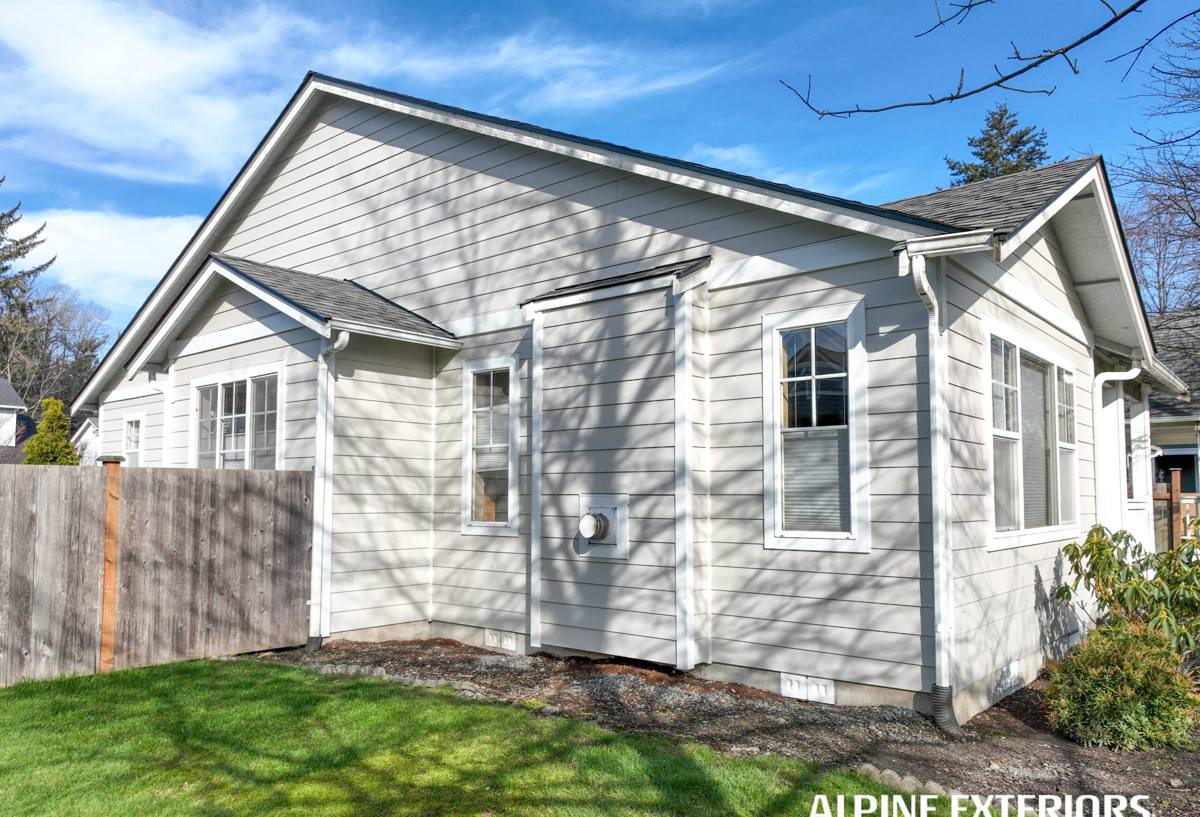
What Puget Sound Weather Does to a Magnolia Roof
Roofing materials are engineered to handle rain and sun. What wears them out faster in a place like Magnolia is the combination of factors working together, day after day, year after year.
Salt Air and Corrosion
Homes closer to the water pick up salt-laden air more than homes further inland, and that air is hard on metal. Flashing, fasteners, and gutter hardware corrode faster here than they would in a drier, inland part of the county. Cheap or mismatched metal at flashing points is often where a roof starts failing years before the shingles themselves are worn out.
Wind-Driven Rain
On exposed, elevated lots, rain doesn't just fall — it gets driven sideways and pushed upward under shingle edges and around flashing by wind coming off the water. A roofing system that would hold up fine in a calmer, more sheltered spot can leak on a bluff-exposed Magnolia roof if the underlayment and flashing weren't installed with that wind pattern in mind.
A Long Moss and Organic Growth Season
Mature tree cover and a mild, damp climate mean moss and algae get a long runway to establish themselves, especially on north-facing or heavily shaded roof slopes. Moss isn't just cosmetic — it holds moisture against the roofing material and can lift shingle edges enough to let water underneath, which is how a moss problem quietly turns into a leak.
Common Signs a Magnolia Roof Needs Repair
Most roof repairs start with a homeowner noticing one of these signs. Catching them early is almost always cheaper and less disruptive than waiting until there's active water intrusion inside the house.
- Water stains or discoloration on interior ceilings or upper walls, especially after a heavy rain event
- Shingles that are cracked, curling, or missing after a windstorm
- Visible moss buildup, particularly along shaded slopes or roof valleys
- Granules collecting in gutters or at downspout outlets, a sign of accelerated shingle wear
- Flashing that looks separated, rusted, or lifted around chimneys, skylights, or dormers
- Soft or spongy spots felt when walking a flat or low-slope section
- Daylight visible through the roof deck from inside an attic space
Any one of these on its own doesn't necessarily mean a full replacement. It means the roof needs a proper look before the problem spreads.
What a Correct Roof Repair Actually Involves
Diagnosis Before Any Patch Goes On
The single biggest mistake in roof repair is patching the spot where water showed up inside the house instead of finding where it's actually entering the roof. Water travels along rafters and decking before it drips through a ceiling, so the visible stain and the actual entry point are often several feet apart. A correct repair starts with tracing the path, not guessing.
Flashing Is Usually the Real Problem
In our experience, most roof leaks in this region start at flashing — the metal at chimneys, valleys, skylights, and wall intersections — rather than in the open field of the roof. Flashing takes the most direct hit from wind-driven rain and salt air corrosion, and it's also the detail most likely to be rushed or under-specified in a lower-quality original installation. A repair that only replaces a few shingles but leaves failing flashing in place will leak again.
Matching Materials the Right Way
A repair should match the existing roofing material in type, weight, and where possible, color and profile, so the patch blends in and performs consistently with the surrounding roof. When an exact match isn't available because a product has been discontinued or the roof is older, we'll walk you through the closest honest option and what to expect in terms of appearance rather than promising an invisible match that isn't realistic.
Repair or Replace? How We Help You Decide
Not every roof problem calls for a full replacement, and we don't default to recommending one. The right call depends on a handful of factors we walk through with you during the inspection.
| Factor | Leans Toward Repair | Leans Toward Replacement |
|---|---|---|
| Roof age | Well within expected material lifespan | At or past the end of its expected service life |
| Extent of damage | Isolated to one area — a valley, flashing point, or storm-damaged section | Widespread across multiple slopes or repeated in the same areas |
| Repair history | First or second repair on this roof | Third or more repair in the same general area over a short span |
| Deck condition | Solid decking underneath the damaged section | Soft, rotted, or moisture-compromised decking found during inspection |
| Underlayment condition | Still intact and functional elsewhere on the roof | Failing broadly, not just at the repair site |
We'll always tell you honestly when a repair is the reasonable option, even if a replacement would be the larger job. A repair that's done correctly can extend a roof's useful life by years.
Our Repair Process, Start to Finish
- Inspection: We walk the roof in person — not a drive-by estimate — and check flashing, decking, ventilation, and the general condition of the roofing material, not just the spot you called about.
- Written estimate: You get a clear, itemized explanation of what we found and what the repair involves, with cost broken down rather than a single vague number.
- Scheduling around weather: Roof repairs need a reasonably dry work window. We build in realistic flexibility rather than promising a fixed date we can't control given regional rain patterns.
- The repair itself: Damaged material is removed back to solid decking and flashing, the area is rebuilt correctly — not just patched over the top — and matched to the surrounding roof.
- Cleanup and walkthrough: We clear debris, do a magnetic sweep for stray fasteners, and walk the completed repair with you before considering the job done.
Why Hiring a Crew That Already Works Magnolia Matters
Magnolia's hilly, narrow streets and elevated lots create real logistical challenges that a crew unfamiliar with the neighborhood has to figure out on the fly — staging materials on a steep driveway, safely accessing a bluff-exposed roof, or working around mature trees that shade and drop debris onto roof surfaces most of the year. A crew that already works this part of Seattle regularly has that figured out before they arrive, which means less wasted time and fewer surprises during the job.
Just as important is knowing what actually fails here versus what fails in a drier, more sheltered part of King County. That's the difference between a generic flashing detail and one specified for salt air and wind-driven rain, and between a shingle repair that ignores moss exposure and one that accounts for it. A contractor who's diagnosed and fixed Magnolia roofs before isn't guessing at what the climate is going to do to the repair over the next several years — they've already seen it happen.
What Magnolia Roof Repairs Typically Cost
Repair costs vary widely depending on scope, and we'd rather give you an honest range than a number that doesn't hold up once we're actually on the roof.
| Repair Type | What Drives the Cost |
|---|---|
| Minor flashing or sealant repair | Access, roof pitch, and whether flashing needs full replacement versus resealing |
| Localized shingle replacement | Size of the damaged area and availability of matching material |
| Moss removal and treatment | Extent of buildup and whether shingle damage has already occurred underneath it |
| Deck repair beneath damaged roofing | How much of the underlying decking has to be replaced, not just the roofing above it |
| Storm damage repair | Total area affected and whether gutters or fascia were also damaged |
A simple, isolated flashing repair generally runs a few hundred dollars, while more extensive repairs involving deck damage or a larger storm-affected area can run into the low thousands. We won't know which category your roof falls into until we've actually inspected it, which is why we start there rather than quoting blind over the phone.
Keeping a Repaired Roof Healthy Between Visits
A good repair buys you years, but a Magnolia roof still benefits from some basic upkeep given how much this climate throws at it. Keeping gutters clear so water isn't backing up under roof edges, having moss treated before it spreads rather than after it's established, and getting an occasional visual check after major windstorms all go a long way toward catching small problems before they become repair calls. None of this requires getting on the roof yourself — a lot of it can be observed from the ground or checked during a routine inspection.
If you're dealing with a leak, storm damage, or just want an honest look at where your roof actually stands, we're happy to come take a look and put together a written estimate — no pressure, no obligation. Use the form below to get started.