 Seattle
 What Fremont's Climate Does to Siding
Fremont sits close to the water, low-lying in spots and shaded by mature trees in others, which means houses here deal with a combination most inland Seattle neighborhoods don't get in equal measure: near-constant damp air, driving rain that comes in sideways off Puget Sound storms, and long stretches of the year where surfaces simply don't dry out. Add King County's mild temperatures — which sound pleasant but mean mold, algae, and moss have almost no season where they're forced to stop growing — and you get siding conditions that punish anything not built for sustained moisture exposure.
Moss is the most visible symptom. It doesn't just grow on roofs; it colonizes north-facing siding, trim, and anywhere water sits or airflow is blocked by landscaping. Wood siding swells and checks as it cycles wet and dry. Vinyl doesn't rot, but it doesn't hold paint or resist impact well either, and it can warp under direct afternoon sun on west-facing walls even in a mild climate. Cedar needs a maintenance schedule most homeowners don't actually keep up with once the novelty wears off. None of this is a knock on any one product — it's just what this specific climate does to specific materials over the fifteen, twenty, thirty years a homeowner actually expects siding to last.
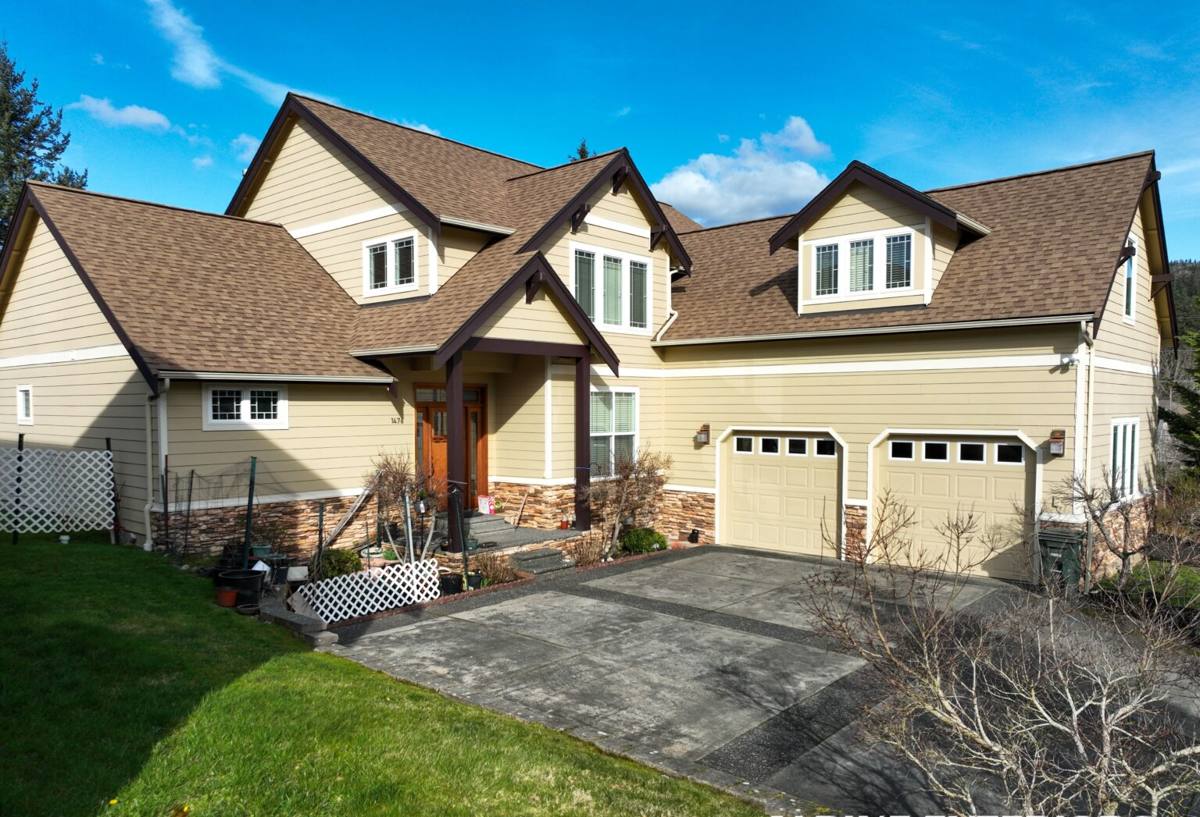
Why We Install Only James Hardie Fiber Cement
We standardized on James Hardie siding for every job we take on, including here in Fremont, and we're upfront about why. Hardie's fiber cement is non-combustible, doesn't feed moss the way wood fiber does, and holds its factory-applied ColorPlus finish far longer than field-applied paint on wood or the color-in-the-material approach used by vinyl. It's engineered in HZ5 and similar climate-specific formulations meant for exactly the wet, marine-influenced Pacific Northwest weather Fremont sees.
We don't install LP SmartSide, vinyl, Cemplank, Allura, or unprimed cedar or spruce, and it's worth saying plainly why. LP SmartSide is a wood-strand product — engineered better than raw wood, but still wood-based, which means it's more sensitive to sustained moisture exposure and edge sealing than true fiber cement. Vinyl is low-maintenance in the sense that it doesn't rot, but it's thin, it fades, it can crack in impacts, and it doesn't take paint if a homeowner ever wants to change the look. Cedar and primed spruce look great on day one and require a maintenance commitment — restaining, resealing, checking for rot at joints and end grain — that most households don't sustain for decades in a climate this wet. Cemplank and Allura are also fiber cement, and reasonable products, but we've built our installation training, warranty relationships, and product knowledge entirely around the Hardie system, and we'd rather be excellent at one system than average across five.
What Correct Installation Actually Involves
Fiber cement siding is only as good as the install behind it. Hardie's own warranty is conditioned on installation to their specifications, and in a climate like Fremont's, cutting corners on water management is exactly what shows up as staining, buckling, or trim rot a few winters later.
Water management comes first
Before a single plank goes up, the wall needs a properly lapped weather-resistive barrier, correctly flashed windows and doors, and rainscreen or drainage detailing appropriate to the wall assembly. This is the part homeowners never see once the job is done, and it's also the part that determines whether the siding survives Fremont's rain seasons or traps moisture behind it.
Fastening and clearances
Hardie panels and lap siding need correct fastener spacing and type, proper nail penetration into framing, and — critically in a wet climate — the right ground clearance and gap at grade, decks, and roof lines so water doesn't wick up from below. Butt joints get flashed or sealed per spec, not just butted and caulked.
Caulking and paint discipline
ColorPlus factory-finished siding needs touch-up paint matched to the system at cut edges, and joints need the right sealant — not just whatever's on the truck. Skipping this is one of the most common ways a good product turns into a callback two years later.
Hardie Product Lines That Fit Fremont's Housing Stock
Fremont's homes range from older bungalows and Craftsman-style houses to mid-century remodels and newer infill construction, and the right Hardie product depends on the look and the wall system involved.
| Hardie Product | Typical Use | Why It Fits Here |
|---|---|---|
| HardiePlank Lap Siding | Traditional horizontal siding, bungalows and Craftsman homes | Matches the classic lap look common in Fremont's older housing stock while resisting moss and moisture wood versions can't |
| HardiePanel Vertical Siding | Modern and mixed-material facades, accent walls | Clean lines for contemporary remodels and infill builds, pairs well with metal or wood-look accents |
| HardieTrim | Corner boards, window and door trim, fascia | Matches the siding's moisture resistance so trim doesn't rot out first and stain the wall below it |
| HardieShingle | Accent gables, dormers | Gives a shingle-style look without the maintenance burden of cedar shingle in a wet climate |
Siding Material Trade-Offs in a Marine Climate
We think homeowners make better decisions with the honest trade-offs in front of them, not a sales pitch. Here's how the main options compare for a home in a climate like Fremont's.
| Material | Moisture Behavior | Moss/Algae Resistance | Ongoing Maintenance |
|---|---|---|---|
| James Hardie Fiber Cement | Engineered for wet climates, doesn't absorb and swell like wood | Doesn't feed moss growth the way wood fiber does; still needs periodic cleaning | Low — occasional wash, touch-up paint at damage points |
| Vinyl | Doesn't rot, but can warp or crack over time | Moss and algae still grow on the surface; harder to clean without damage | Low, but limited repair options — damaged sections often need full replacement |
| Cedar / Primed Spruce | Absorbs moisture, swells and checks with wet-dry cycling | Wood fiber is a food source for moss and mildew | High — regular restaining, sealing, and rot inspection |
| LP SmartSide | Better than raw wood but still wood-strand based, sensitive at cut edges | Better than cedar but still more susceptible than true fiber cement | Moderate — edge sealing and paint maintenance matter |
Our Process for a Fremont Siding Job
The steps don't change much house to house, but the details we check are shaped by what this neighborhood's homes and weather actually throw at a wall.
- Walkthrough and assessment — we look at existing siding, trim, flashing, and any signs of moisture intrusion, moss buildup, or rot before quoting anything.
- Scope and product selection — matching Hardie product lines, profile, and color to the home's style and the wall assembly's needs.
- Tear-off and sheathing check — removing old material and inspecting sheathing underneath for hidden water damage before it gets covered up again.
- Weather barrier and flashing — installing or correcting the water-resistive barrier, window and door flashing, and drainage plane.
- Installation to Hardie spec — correct fastening, clearances, joint treatment, and trim work.
- Paint and caulk finish — touch-up and sealant work matched to the ColorPlus system.
- Final walkthrough — reviewing the finished job and warranty documentation with the homeowner.
What Drives the Cost of a Fremont Fiber Cement Job
| Factor | How It Affects Cost |
|---|---|
| Wall condition underneath | Hidden rot or water damage found during tear-off adds repair scope before new siding can go up |
| Home size and wall complexity | More corners, gables, and trim detail mean more labor and cut waste |
| Product mix | Combining lap siding, panel accents, and trim costs more than a single uniform product |
| Access and site conditions | Tight lots, mature landscaping, or multi-story walls affect staging and labor time |
| Color and finish choice | Standard ColorPlus colors are typically more cost-effective than custom-matched finishes |
We won't quote a number without seeing the house — anyone who does is guessing, and guesses on siding jobs tend to grow once the walls are opened up.
Living With Fiber Cement Siding in a Moss-Prone Climate
Hardie siding is genuinely low-maintenance, but "low-maintenance" doesn't mean "no maintenance" anywhere in this climate. A yearly rinse — especially on north-facing and shaded walls where moss and algae take hold fastest — keeps growth from staining the finish. Keeping landscaping trimmed back from the siding improves airflow and drying time after Seattle's long rainy stretches. Any cut edges, nail damage, or areas where trim meets siding should get checked periodically and touched up with matched paint before small gaps become an entry point for water.
- Rinse siding annually, focusing on shaded and north-facing walls where moss collects
- Trim back shrubs, vines, and tree limbs that hold moisture against the wall
- Inspect caulk joints and touch-up paint at cut edges once a year
- Check that gutters and downspouts are directing water away from siding, not onto it
- Address small trim rot or gaps immediately rather than waiting for the next dry season
Why It Matters to Hire a Crew That Already Works This Neighborhood
A crew that's worked Fremont's older housing stock has already seen how these homes were originally built, where past repairs tend to hide problems instead of solving them, and how the neighborhood's mix of shade, moisture, and marine air behaves against a wall over time. That's not a substitute for a careful individual assessment of your house, but it does mean fewer surprises and a crew that isn't learning King County's climate on your project. We install one siding system, we install it to spec, and we stand behind the work with Hardie's manufacturer warranty backing the product itself.
If your Fremont home's siding is showing moss staining, cracked or swollen boards, peeling paint, or you're just planning ahead for a replacement, we're happy to take a look. Reach out for a free, no-pressure estimate — we'll walk the house, tell you honestly what we see, and give you a real scope and price before any work begins.