 Seattle
 Metal Roofing Built for Shoreline's Climate
Shoreline sits close enough to Puget Sound that salt-laden air is a real factor in how a roof ages here, not just a theoretical one. Combine that with King County's long wet season, heavy moss pressure, and the driving, wind-pushed rain that comes off the water, and you have a set of conditions that punishes the wrong roofing choices and the wrong installation shortcuts. Metal roofing can handle all of this extremely well — but only when the material, fasteners, and detailing are chosen specifically for a marine-influenced climate, not just pulled from a generic spec sheet.
This page covers what a metal roof needs to hold up on a Shoreline home, what a correct installation actually involves, and how we approach the job when we're working in this area.
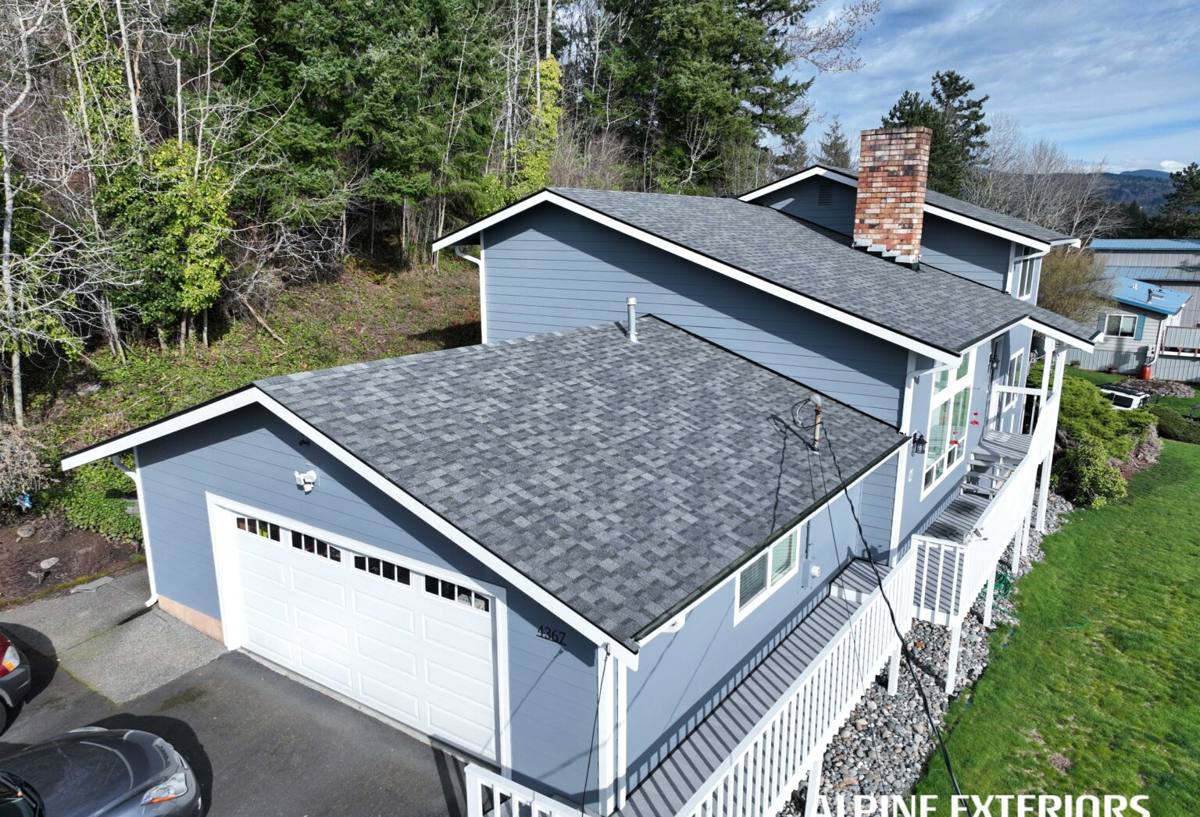
What Salt Air and Moss Season Actually Do to a Roof
Salt air and corrosion
Homes within a few miles of Puget Sound get periodic exposure to salt-carrying air, especially during storms with onshore wind. Salt accelerates corrosion on any exposed metal edge, fastener head, or scratch in a protective coating. It's not usually dramatic damage in year one — it's a slow process that shows up as rust bleed at cut edges, fastener heads, or flashing seams several years down the road if the wrong metal or coating was used from the start.
Moss and prolonged moisture
Western Washington's wet season runs long, and shaded, north-facing, or tree-covered roof sections in Shoreline rarely get a chance to fully dry out between fall and late spring. Moss doesn't just sit on top of a roof looking bad — on the wrong roofing system, it holds moisture against seams and fasteners, works into laps, and can lift or degrade materials that aren't installed with proper drainage in mind. Metal roofing is naturally moss-resistant compared to asphalt or wood, but a poorly detailed metal roof with flat-lying panels, inadequate slope transitions, or debris-trapping valleys can still grow moss in shaded areas.
Driving rain and wind-driven water
Storms moving through the Sound tend to push rain sideways, not just straight down. That matters at every penetration, valley, and panel lap on the roof — details that would be fine in a calmer climate can leak here if they rely on gravity alone instead of proper overlap and mechanical seaming.
Choosing the Right Metal System for a Shoreline Home
Not all metal roofing is equal once you factor in coastal-influenced air and heavy moss pressure. The table below compares the systems we typically discuss with Shoreline homeowners.
| System | How It's Installed | Salt Air / Moisture Performance | Best Fit |
|---|---|---|---|
| Standing seam steel or aluminum | Concealed fasteners, mechanically seamed panel edges | Excellent — no exposed fastener heads for corrosion or leaks to start at | Homes close to the water or under heavy tree cover |
| Exposed-fastener metal panels | Screws driven through the panel face into gaskets | Good if fasteners are marine-grade and gaskets are maintained; fastener heads are the weak point over time | Budget-conscious projects further from direct salt exposure |
| Stone-coated steel (shake/tile profile) | Interlocking panels with a granular coated finish | Good; coating protects the steel but cut edges and fasteners still need attention | Homeowners who want a traditional shake or tile look with metal's durability |
We generally steer coastal-influenced and heavily shaded Shoreline properties toward standing seam because concealed fasteners remove the single biggest long-term corrosion and leak risk. That said, it's not the right call for every budget or every roof shape, and we'll walk through the honest trade-offs for your specific home rather than defaulting to one product.
A Note on Metal Type
Steel and aluminum are both viable in this climate when coated and installed correctly. Aluminum has a natural edge in pure salt-air resistance since it doesn't rust the way steel can if a coating is ever compromised, which is part of why we pay close attention to metal choice on properties closer to the water. Galvalume-coated steel is a solid, cost-effective option further inland, provided cut edges are sealed and fasteners are matched correctly to avoid galvanic reaction between dissimilar metals.
What a Correct Installation Involves Here
The roofing material is only part of the equation. Most metal roof failures we get called to inspect in this region trace back to installation details, not the panel itself. On a Shoreline home, we pay particular attention to:
- Underlayment: A high-temperature, self-adhering synthetic underlayment across the whole deck, with extra layers at eaves and valleys where wind-driven rain and ice dams (on the rare cold snap) put the most pressure on the system.
- Fastener selection: Marine-grade stainless or coated fasteners matched to the panel metal to avoid galvanic corrosion — a detail that's easy to get wrong if a crew isn't used to coastal work.
- Flashing at every penetration: Chimneys, vents, and skylights are common leak points; each gets step flashing or a properly formed boot rated for the panel profile, not a generic caulk-and-hope fix.
- Valley and drainage design: Open or properly lined valleys sized to move heavy rain volume without backing up, especially where the roof passes under tree cover.
- Ventilation: Balanced intake and exhaust airflow so moisture from inside the home doesn't condense against the underside of the panels — a slower but very real cause of hidden deck damage in wet climates.
- Edge and eave detailing: Proper drip edge and starter strip so water sheds cleanly instead of wicking back under the first course of panels.
Our Process for Shoreline Metal Roofing Projects
1. On-site assessment
We walk the roof and attic space, note tree cover, shading, existing moss or moisture patterns, and check the deck condition before recommending a system. A roof with years of trapped moisture under old moss growth may need deck repair before new panels go on, and we'll flag that honestly rather than covering it up.
2. System recommendation and honest options
We explain the trade-offs between standing seam, exposed-fastener, and stone-coated systems for your specific roof and budget — not a one-size answer. If your home is more sheltered and further from direct salt exposure, a lower-cost exposed-fastener system may genuinely be the right call, and we'll say so.
3. Tear-off and deck prep
Old roofing is removed, the deck is inspected and repaired as needed, and any trapped moisture damage is addressed before anything new goes down — a step that matters more in a climate that rarely lets a roof fully dry out.
4. Installation
Underlayment, panels, flashing, and trim go in following manufacturer specs and the coastal-climate details above, with attention to valleys, penetrations, and edges throughout.
5. Final walkthrough
We review the completed roof with you, including basic care and what to watch for seasonally, so you know what normal weathering looks like versus something that needs a call back.
Living with a Metal Roof in a Wet, Mossy Climate
Metal roofing needs far less maintenance than asphalt or wood shake in this climate, but "far less" isn't "none." A little seasonal attention keeps a well-installed metal roof performing for decades.
- Clear leaves, needles, and debris from valleys and gutters going into fall, before the wet season peaks.
- Trim back overhanging branches that keep sections of roof shaded and slow to dry.
- Rinse off moss or algae buildup on shaded panels with a gentle wash rather than pressure that could damage coatings or seams.
- Have flashing and sealant at penetrations checked periodically, since these are the most common points where age eventually shows.
- Watch for streaking or discoloration at fastener heads or cut edges, an early sign worth a professional look before it becomes a leak.
What Metal Roofing Costs on a Shoreline Home
Pricing depends on roof size, pitch, complexity, and the system you choose. Rather than quote a number that won't reflect your actual roof, here are the factors that move the price up or down:
| Factor | Effect on Cost |
|---|---|
| Panel system (exposed-fastener vs. standing seam) | Standing seam typically costs more due to specialized seaming equipment and labor |
| Roof pitch and accessibility | Steep or hard-to-access roofs increase labor time and staging needs |
| Number of penetrations and valleys | More chimneys, skylights, and valleys mean more flashing work |
| Deck condition | Repair or replacement of a moisture-damaged deck adds to the project |
| Metal type and finish | Aluminum and premium coatings cost more upfront but reduce corrosion risk over time |
We provide a written estimate that breaks these factors down for your specific home, so you're comparing real numbers, not guesswork.
Why Local Experience in Shoreline Matters
A crew that regularly works homes in Shoreline and the surrounding Puget Sound-adjacent neighborhoods already knows which details matter here: where salt exposure is a real concern versus where it isn't, which tree-covered lots need extra drainage attention, and how the region's building and permitting expectations apply to reroofing projects. That's different from a crew working from a generic install guide with no sense of how this specific climate treats a roof over ten or twenty years. We work throughout the greater Seattle and King County area, and Shoreline's mix of wooded lots and Sound-adjacent exposure is a climate profile we plan for directly, not an afterthought.
Get an Estimate for Your Shoreline Roof
If you're weighing metal roofing for a home in Shoreline, we're happy to take a look and give you a straight answer on what your roof actually needs. Reach out for a free, no-pressure estimate using the form below.