 Seattle
 New-Construction Windows for Kirkland Homes
Building on the Eastside means building for water. Kirkland sits in the marine climate zone that defines the whole Puget Sound region — long stretches of driving rain from fall through spring, humidity that never fully lets up, and enough shade and moisture in older tree-lined lots to keep moss and algae established on roofs, siding, and window sills year-round. A new-construction window opening only gets built once. If the flashing, sealants, and frame selection aren't right the first time, the problems don't show up as a drafty room — they show up as rot inside the wall framing, months or years after the drywall is up.
We install new-construction windows for builders, general contractors, and homeowners working on ground-up builds and additions across Kirkland and the surrounding King County area. This page covers what that work actually involves, what a correct installation looks like in this climate, and what to ask before you hand a builder your window package.
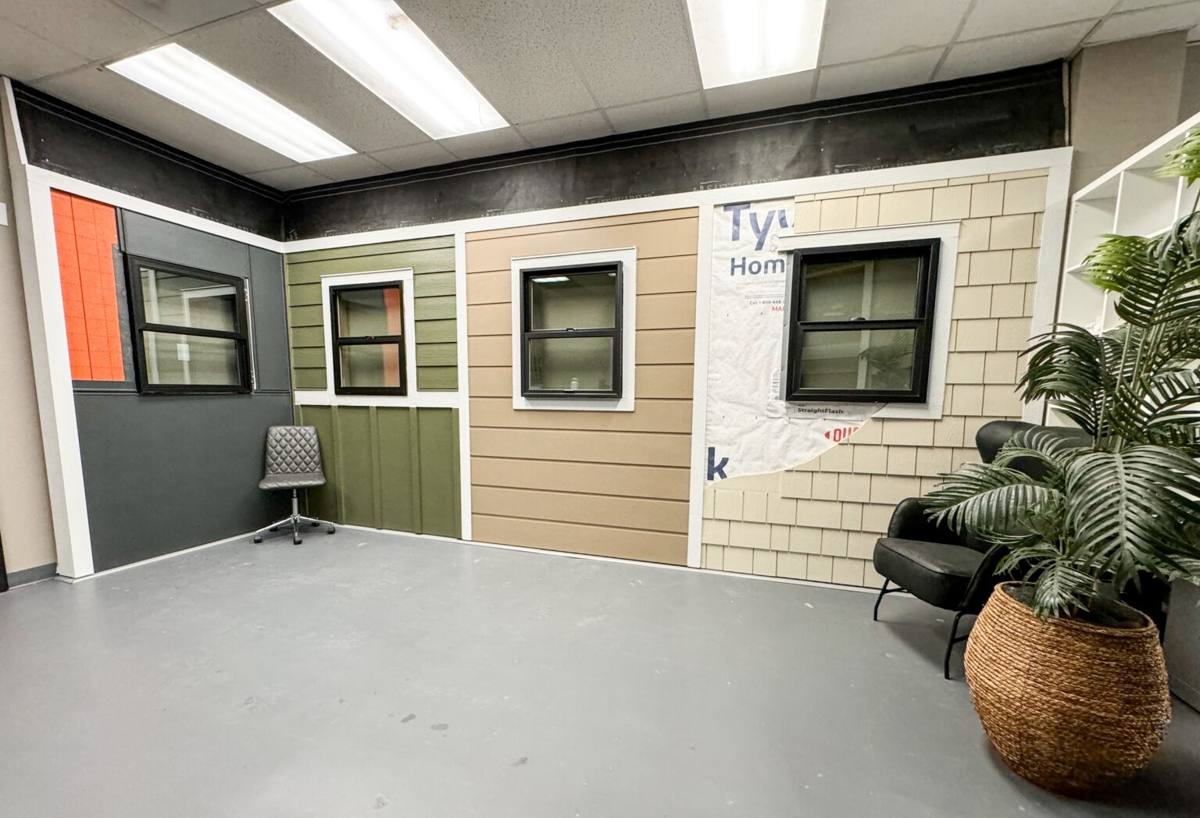
New-Construction vs. Replacement Windows — Why the Distinction Matters
"New-construction" windows aren't a style or a price tier — they're a window built with a nailing fin (also called a flange) around the frame, designed to be installed into open, unfinished framing before siding and interior finishes go on. That's different from a replacement or "pocket" window, which is built without a fin and designed to slide into an existing opening where the original trim and siding stay in place.
The reason this matters for a Kirkland build is sequencing. A new-construction window gets integrated directly with the weather-resistive barrier (the housewrap) and the wall's drainage plane while the wall is still open. That means the crew installing it is making permanent decisions about how water will be shed away from that opening for the life of the house — before insulation, drywall, or siding ever cover it up. Get that sequence wrong and it's not a five-minute fix later; it's a siding-off repair.
Why Water Management Is the Whole Job in King County
Western Washington has a well-known history of moisture problems in new construction, most of it traced back to the same root cause: water getting behind the exterior cladding with no way to drain back out. Kirkland's rainfall pattern — frequent, low-intensity, wind-driven rain rather than short heavy downpours — is actually harder on window openings than a hard storm, because it works water sideways and upward under laps and flanges that a "straight down" rain would never reach.
The Flashing Sequence We Follow
Every new-construction window we install follows the same basic water-shedding logic, regardless of brand or size:
- Sill pan flashing installed first, so any water that does get past the window has a sloped path back outside instead of sitting on bare framing
- Housewrap and flashing tape lapped shingle-style — each layer overlapping the one below it, never the reverse
- Nailing fin sealed and taped on the sides and top, with the bottom typically left as a drain path rather than fully sealed
- Backer rod and exterior sealant at the trim line, sized and tooled correctly rather than just caulked over gaps
- A final check that the drainage plane behind the siding will actually be continuous once cladding goes on, not interrupted at the window
Moss, Algae, and Long-Term Drainage
Kirkland's tree cover and shade patterns keep a lot of exterior surfaces damp longer than homes in drier climates, which is exactly the environment moss and algae need to establish. Window sills, sloped trim caps, and anywhere water can pool are the first places it shows up. Sloping sills and trim caps properly during installation — not relying on caulk to do that job — keeps water and organic growth from just sitting against the frame every winter.
Code and Performance Requirements for a New Build
New-construction windows in King County have to meet the current Washington State Energy Code for U-factor and solar heat gain, along with basic life-safety rules that apply regardless of style or brand — bedrooms need an egress-rated window of a minimum size, and glass near doors, tubs, and low to the floor typically needs to be tempered. On a new build these requirements get locked in at the plans and permit stage, so window selection isn't something to leave until framing is already up. We work from the approved plan set and schedule so the window package matches what the permit actually requires, and we coordinate directly with the builder or homeowner if something on site doesn't match the plans.
Choosing a Frame Material for This Climate
There's no single "correct" frame material for a Kirkland new build — the right choice depends on budget, maintenance appetite, and how the window will be exposed to weather. Here's how the common options actually compare in a wet, marine climate:
| Frame Material | Moisture Behavior | Maintenance | Typical Fit |
|---|---|---|---|
| Vinyl | Won't rot; performs well if installed with correct drainage | Low — occasional cleaning | Cost-conscious builds, rentals, additions |
| Fiberglass | Very stable in wet/dry cycling; minimal expansion or contraction | Low | Long-term owners wanting durability without upkeep |
| Wood interior / clad exterior | Good if the exterior cladding and flashing stay intact; interior wood needs a dry, sealed opening | Higher — exterior clad still needs joints and sealant checked periodically | Owners prioritizing interior appearance |
| Aluminum | Prone to condensation and thermal transfer unless thermally broken | Moderate | Larger commercial-style openings, view walls |
Whatever material you choose, the installation quality matters more than the frame material for keeping water out. A vinyl window installed with correct flashing will outperform a premium wood-clad window installed without it.
Our Installation Process on a New Build
On a ground-up build or addition, we're usually one piece of a larger construction schedule, so timing and communication with the builder matter as much as the install itself.
- Plan and permit review — confirming window sizes, egress locations, and tempered glass requirements against the approved plan set
- Site walk before framing closes up — checking rough openings are square, plumb, and sized correctly before windows arrive
- Sill pan and flashing installation — done before the window is set, not after
- Window set and fastened — shimmed and fastened per manufacturer specs so the frame isn't bowed or racked, which affects both operation and the seal
- Flange sealing and tape integration with the housewrap, coordinated with whoever is running the weather barrier on the rest of the house
- Interior and exterior trim, timed around drywall and siding schedules
- Final operation and seal check before the job is signed off
Working With Builders and GCs on Kirkland Job Sites
Most of our new-construction window work happens as a subcontract to a general contractor or as part of a homeowner-managed build, and Kirkland job sites come with their own scheduling realities — narrow lots, limited staging space, and weather windows that can shift a framing schedule by days. We build our install schedule around the GC's timeline rather than the other way around, and we flag problems (an out-of-square opening, a window ordered to the wrong size, a plan detail that doesn't match what's on site) before they turn into a delay for the whole crew. A window installer who's used to working inside someone else's schedule, instead of demanding the job bend around them, is worth more on a build than one with a slightly lower bid.
Checklist: What to Ask Before Windows Go In
Whether you're a homeowner managing your own build or a GC bringing in a sub, these are worth confirming before the windows are ordered or set:
- Do the window sizes and egress locations on the order match the approved permit set?
- Is sill pan flashing part of the installation, or assumed to be "someone else's" scope?
- Who is responsible for integrating the window flange with the housewrap — the window crew or the siding crew?
- What's the plan for sealant and trim if there's a delay between window install and siding going on?
- Does the installer have experience on new construction specifically, not just replacement work?
- Is there a written scope for who handles interior and exterior trim, and when?
Why a Crew That Already Works in Kirkland Matters
A window that's flashed and sealed correctly for a drier climate can still fail here, because Kirkland's rain patterns, humidity, and shade-driven moss growth put more sustained stress on an opening than a lot of national installation standards account for. A crew that already works job sites across King County knows what the local building department expects at inspection, how the Puget Sound rain pattern behaves against a wall over a full winter, and where the corners that get cut elsewhere actually cost homeowners money here. That's the difference between a window package that passes inspection and one that's still performing in twenty years.
If you're planning a new build or addition in Kirkland and want a straight answer on windows, scope, and timeline, we're glad to walk through it. Use the form below to request a free, no-pressure estimate — no obligation, just a clear look at what your project needs.