 Seattle
 Fremont's Climate Is Harder on Roofs Than It Looks
Fremont doesn't get hurricanes or hailstorms, so it's easy to assume roofs here have it easy. They don't. Between the damp air off Lake Union and the Ship Canal, driving rain that comes in sideways off Puget Sound during winter storms, and a moss season that can stretch nine months out of the year under Fremont's tree canopy, a roof in this neighborhood is under near-constant low-grade stress. It's rarely one dramatic event that takes a roof out around here — it's years of moisture sitting where it shouldn't, granule loss nobody noticed, and moss quietly working its way under shingle edges.
That's the case for treating a new roof installation in Fremont as a King County-specific job, not a generic reroof. The materials, the ventilation design, and the details around valleys and flashing all need to answer to this climate specifically, not to a spec sheet written for a drier part of the country.
What Fremont's Housing Stock Means for a Reroof
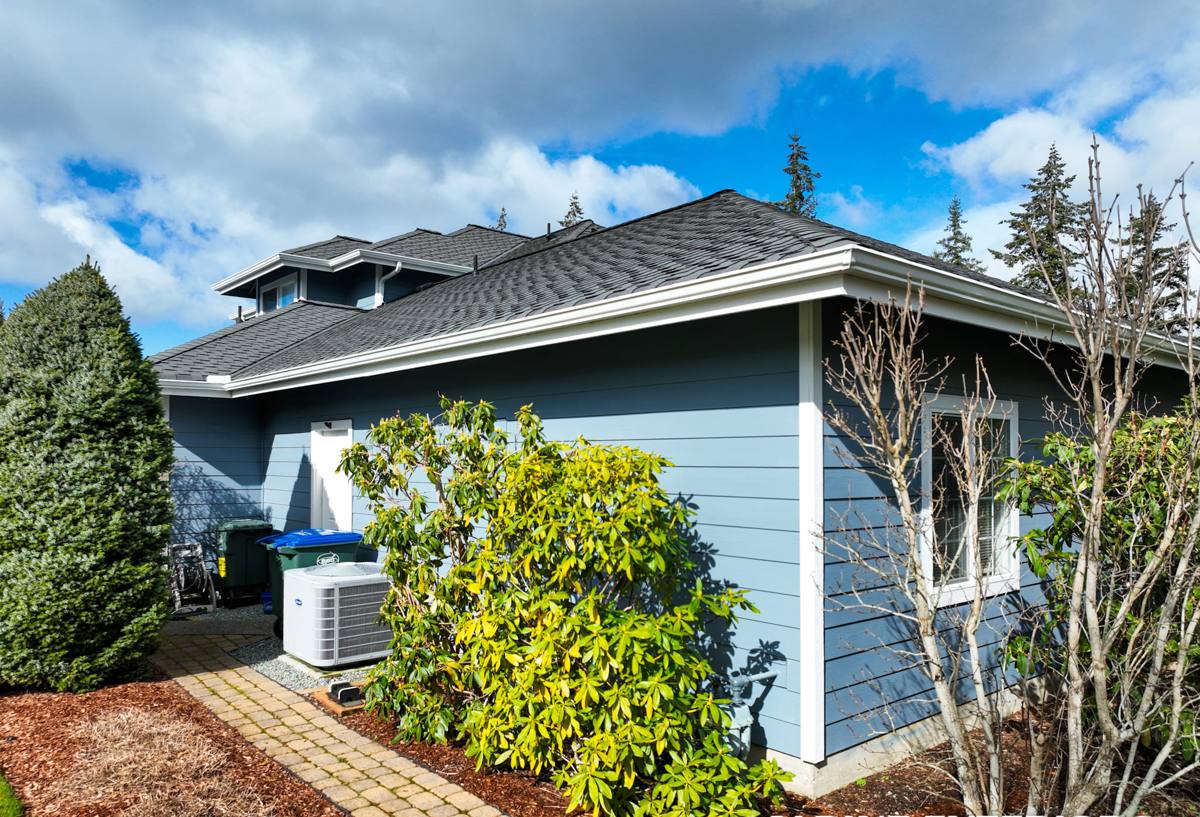
Fremont has a mix of early-to-mid-century bungalows and craftsman homes alongside newer infill construction, often on lots shaded by mature street trees. That combination matters for a reroof in a few concrete ways:
- Older homes frequently have roof decking (the wood layer under the shingles) that was never designed for modern ventilation standards, and it's common to find soft or delaminated sheathing once the old roofing comes off.
- Mature tree cover means more sustained shade, more debris in valleys and gutters, and faster moss and algae growth than an open, sun-exposed roof would see.
- Many lots are narrow with limited driveway or street parking, which affects how a crew stages material delivery, dumpsters, and tear-off debris.
- Some properties fall under design review or have neighborhood association expectations around exterior appearance, which can affect color and material choices on a highly visible roof.
None of this is a reason to avoid a reroof — it's just context that should shape the plan before the first shingle comes off.
What a Correct New Roof Installation Actually Involves
A new roof is more than laying down new shingles over what's there. In Seattle's climate, skipping steps below is exactly how a roof ends up with rot or leaks well before it should.
Full tear-off, not an overlay
We remove existing roofing down to the deck rather than layering new shingles over old ones. Overlays trap moisture, hide the condition of the decking, and shorten the life of the new roof — a bad trade anywhere, and a worse one in a climate this wet.
Deck inspection and repair
Once the old roofing is off, we inspect the sheathing for soft spots, delamination, or water staining and replace any compromised sections before anything new goes down. Roofing over bad decking is one of the most common causes of early failure we see.
Underlayment built for wet climates
We use a synthetic or ice-and-water-shield underlayment appropriate for Puget Sound's rain volume, with extra protection at eaves, valleys, and any low-slope transitions where water lingers longest.
Flashing done right
Flashing around chimneys, skylights, sidewalls, and roof-to-wall transitions is where most leaks actually originate — not in the field of the shingles. New step flashing, counter-flashing, and properly sealed penetrations are non-negotiable on every install.
Ventilation that matches the home
Balanced intake and exhaust ventilation keeps moisture from condensing inside the attic, which matters even more in a marine climate where the air itself is already humid. We size and place vents based on the actual attic, not a one-size-fits-all rule.
Comparing Roofing Materials for a Fremont Home
There's no single "best" material — the right choice depends on the home's style, slope, budget, and how much moss and moisture resistance you want to prioritize.
| Material | Typical Lifespan | Moss/Moisture Behavior | Best Fit |
|---|---|---|---|
| Architectural asphalt shingle | 25–30 years | Good with proper ventilation and algae-resistant granules; needs periodic moss removal under tree cover | Most craftsman and bungalow-style Fremont homes |
| Standing seam metal | 40–50+ years | Excellent — sheds moss and water quickly, minimal maintenance | Modern infill builds, low-slope sections |
| Synthetic/composite shingle | 30–40 years | Very good moisture resistance, holds color well in wet climates | Homes wanting a shake or slate look without the maintenance |
| Cedar shake | 20–30 years with upkeep | Requires diligent moss and moisture management; higher maintenance burden here | Homeowners committed to routine treatment and inspection |
We'll walk through these trade-offs honestly during the estimate rather than pushing whatever happens to be on the truck — the right call depends on your roof's slope, sun exposure, and how much upkeep you actually want to do.
Moss, Trees, and Long-Term Roof Health
Why moss is a bigger deal than it looks
Moss doesn't just sit on top of shingles — its roots and moisture retention lift shingle edges and hold water against the roof surface far longer than open air would allow. Under Fremont's tree cover, north-facing and shaded slopes are especially prone to it, sometimes within a year or two of a fresh install if the roof isn't treated correctly at installation.
What we build in during installation
- Zinc or copper strips near the ridge on shaded roofs, which release trace metals with the rain to inhibit moss and algae growth over time.
- Shingle products with algae-resistant granules where moss and staining have historically been a problem on the property.
- Clear guidance on gutter and valley maintenance intervals, since debris buildup from nearby trees is what usually starts moss growth in the first place.
None of this makes a roof moss-proof forever, but it meaningfully extends the time between cleanings and reduces the odds of moss-related damage showing up early.
How Our Process Works
Inspection and estimate
We walk the roof and attic, check current ventilation, note any deck concerns we can see, and give you a written estimate with clear material options — no pressure, no inflated urgency.
Permitting
Reroofs in Seattle typically require a permit; we handle the paperwork and inspections so it's off your plate.
Install day logistics
On narrower Fremont lots, we plan dumpster and material staging in advance so tear-off debris and deliveries don't block a shared driveway or narrow street longer than necessary.
Final walkthrough
Once the roof is complete, we walk it with you, review the ventilation and flashing work, and go over what routine maintenance (if any) the specific material you chose will need going forward.
What Affects the Cost of a New Roof
| Factor | Why It Matters |
|---|---|
| Roof size and number of planes | More square footage and complexity means more material and labor time |
| Deck condition | Rotted or soft sheathing found during tear-off adds repair cost, but skipping it isn't an option |
| Material choice | Asphalt, metal, synthetic, and cedar each carry different upfront costs and lifespans |
| Roof pitch and access | Steeper roofs and limited access (common on narrow Fremont lots) affect labor and safety setup |
| Ventilation upgrades | Adding or correcting intake/exhaust venting is worth doing during a reroof rather than later |
| Layers to remove | Homes with an existing overlay require removing more material during tear-off |
We give real numbers during the in-person estimate rather than a ballpark over the phone — too much of the final cost depends on what we find once we're actually on the roof and in the attic.
Why a Crew That Already Works Fremont Matters
A roofing crew that regularly works this neighborhood already understands its narrow lots, tree-heavy properties, and the moss and moisture patterns specific to shaded, close-set homes near the water. That familiarity shows up in practical ways: knowing which slopes on a given home orientation tend to hold moss, planning material staging around tight parking, and anticipating deck conditions typical of the neighborhood's housing age. It also means we're not learning King County's permitting and inspection process on your project — we already know what the city expects.
Signs Your Fremont Home May Need a New Roof
- Shingles that are cupping, curling, or missing granules in patches
- Moss or dark streaking that keeps returning shortly after cleaning
- Daylight visible through the attic decking, or damp insulation after storms
- Soft spots when walking the roof, or sagging along the ridge or eaves
- A roof approaching or past 20–25 years old, especially with minimal past ventilation upgrades
- Rising energy bills that may point to attic moisture or poor ventilation, not just an aging furnace
If your roof shows even one or two of these, it's worth having someone look at it before the next wet season rather than after a leak shows up inside the house.
If you're weighing a new roof for your Fremont home, we're happy to take a look and give you honest options — no pressure, no inflated estimates, just a clear picture of what your roof actually needs. Use the form below to request a free estimate.