 Seattle
 Rainier Valley's Weather Is Harder on Siding Than It Looks
Rainier Valley doesn't get the wind-driven storms you'd see on an exposed coastline, but it still sits inside the same Puget Sound marine climate that wears down siding across greater Seattle. Homes here deal with long stretches of driving rain, damp marine air that never fully dries out between storms, and a moss and algae season that can run eight or nine months out of the year on north-facing walls and anything shaded by mature trees. King County's tree canopy is part of what makes this neighborhood attractive, and it's also part of what keeps siding wet longer than it should be.
None of that is dramatic on its own. The problem is cumulative. Siding that can't shed water fast, or that traps moisture behind it instead of letting it dry, degrades quietly for years before a homeowner sees a soft spot, a bubbled paint line, or a streak of black growth that keeps coming back no matter how many times it's pressure washed. By the time it's visible, the damage is usually already in the sheathing.
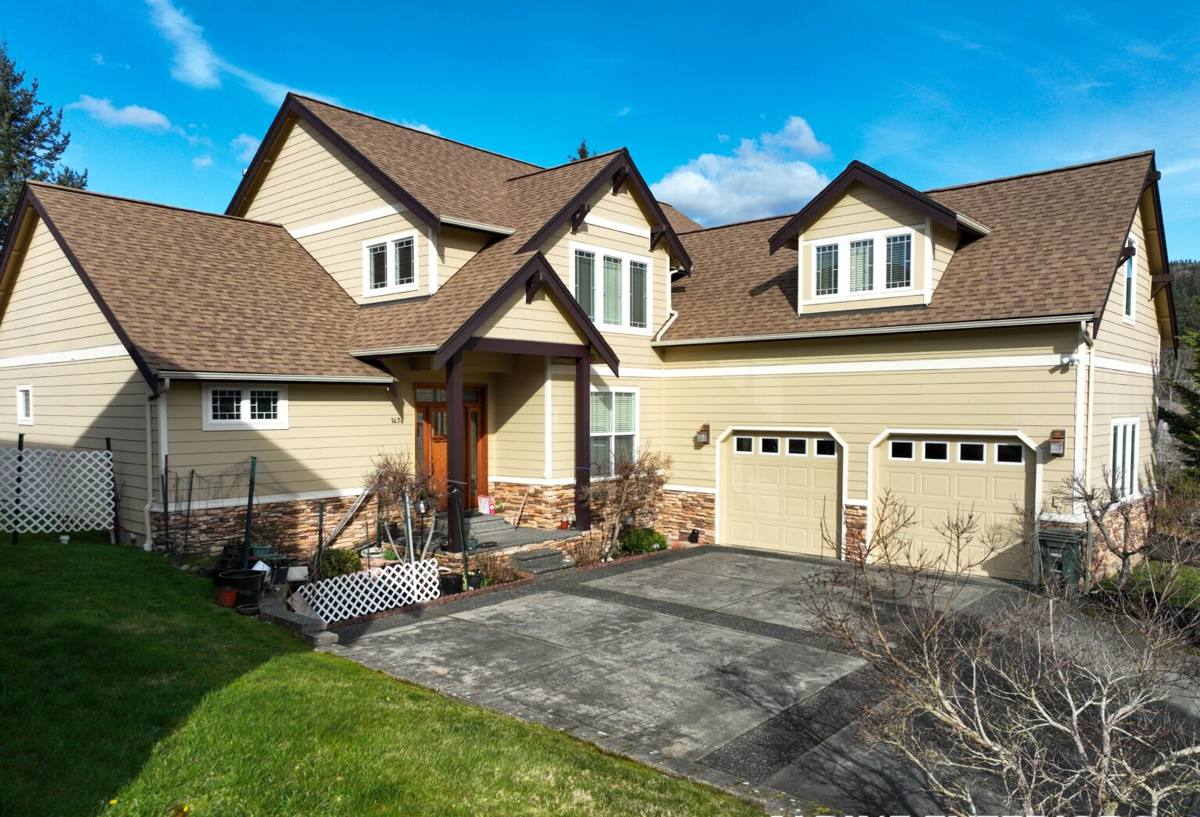
Why We Install Only James Hardie Fiber Cement
We don't install LP SmartSide, vinyl, Cemplank, Allura, primed spruce, or cedar. That's a deliberate standard, not a lack of options. Each of those products has real strengths, but each also has a trade-off that shows up specifically in a wet, moss-prone climate like this one:
- Vinyl is inexpensive and low-maintenance, but it expands and contracts with temperature swings, can warp or crack in cold snaps, and doesn't hold paint if a homeowner ever wants to change the color.
- LP SmartSide and other engineered wood products are wood-based, which means the cut edges and any breach in the factory coating are an entry point for moisture. In a climate with this much sustained dampness, that's a maintenance commitment we're not willing to install and then walk away from.
- Primed spruce and cedar are real wood, full stop — beautiful when new, but they need repainting or restaining on a recurring cycle, and they're the most vulnerable of the group to rot and moss colonization in shaded, damp conditions.
- Cemplank and Allura are also fiber cement, and reasonable products in their own right, but we've standardized on one manufacturer's system — panels, trim, fasteners, and finish — so every detail on the wall is engineered to work together and warrantied together.
James Hardie fiber cement is non-combustible, dimensionally stable in wet-dry cycling, and finished at the factory with ColorPlus technology rather than field-painted. That combination is why it's what we put on homes in this neighborhood instead of the alternatives above.
What James Hardie's Climate Engineering Actually Means
James Hardie manufactures its siding in regional formulations called HZ5 and HZ10, engineered for different climate zones across the country. The HZ5 line is built for climates like ours — freeze-thaw cycling combined with sustained moisture — and it's formulated to resist moisture absorption and hold its shape better than a generic fiber cement product would in the Pacific Northwest.
The ColorPlus finish matters just as much as the substrate. It's a baked-on, factory-applied finish rather than field paint, which means better color consistency, better adhesion, and a finish that's engineered to resist the fading and mildew staining that field-applied paint struggles with in a climate that stays damp for months at a time. For a homeowner, that translates into fewer repaint cycles and a more consistent look on shaded and sun-exposed walls alike.
Product Lines We Work With
| Product | Best Use | What It Solves For |
|---|---|---|
| HardiePlank lap siding | Most Rainier Valley homes, traditional and modern | Classic lap look, wide color range, HZ5 formulation |
| HardieShingle | Accent gables, Craftsman-style detailing | Shingle appearance without wood's moisture sensitivity |
| HardiePanel | Modern facades, board-and-batten looks | Clean vertical lines, works well with trim contrast |
| HardieTrim | Window and door surrounds, corners, fascia | Matches siding system so trim doesn't fail before the field does |
What a Correct Installation Involves
Fiber cement siding is only as good as the assembly behind it. Most siding failures we get called out to inspect in older Seattle homes aren't a product failure at all — they're an installation shortcut that let water get behind the cladding. A correct James Hardie install includes:
- A drainage plane and weather-resistant barrier installed and lapped correctly, with all penetrations properly flashed
- A rainscreen gap or furring strategy where conditions call for it, so any moisture that does get behind the siding can drain and dry instead of sitting against the sheathing
- Proper clearance at grade, decks, and roof lines — Hardie's own installation instructions specify minimum gaps, and skipping them is one of the most common causes of bottom-edge rot
- Correct fastener type, spacing, and placement, per manufacturer specification, not just "close enough"
- Factory-mitered or properly sealed butt joints and corners, since an open joint is a direct water path
- Caulking and sealant used only where Hardie's details call for it — over-caulking can trap moisture just as badly as under-caulking
Get any one of those wrong and you can have the best siding product on the market and still end up with rot behind it inside a few years. This is why we treat installation detail as equal in importance to the product itself, not an afterthought.
Signs Your Current Siding Is Already Losing the Fight
Homeowners in Rainier Valley often reach out after noticing one of the following. None of these mean the whole house needs to be redone immediately, but each is worth a professional look before it spreads:
- Persistent moss or black streaking that returns within weeks of cleaning
- Soft or spongy spots when you press on siding near the bottom edge, under windows, or around trim
- Paint that's bubbling, peeling, or chalking heavily on north- or west-facing walls
- Visible warping, cupping, or gaps opening up between boards
- A musty smell near exterior walls inside the home, which often points to trapped moisture already reaching the sheathing
How Our Process Works
1. On-Site Assessment
We start by walking the exterior with you, checking the condition of the current siding, the state of the sheathing and trim, and any drainage or grading issues that could undermine a new install if left unaddressed.
2. Scope and Product Selection
We talk through which Hardie product line fits the home's style — lap, shingle, or panel — and which ColorPlus color holds up best given the home's sun and shade exposure. Shaded, moss-prone walls sometimes benefit from a different color strategy than a sun-exposed south wall on the same house.
3. Prep and Moisture Barrier
Old siding comes off, sheathing is inspected and repaired where needed, and a new weather-resistant barrier goes on correctly lapped, with all flashing details addressed before a single piece of Hardie goes up.
4. Installation to Manufacturer Spec
Siding, trim, and fasteners go on per James Hardie's published installation guidelines — clearances, fastener spacing, and joint treatment included — because that's what keeps the manufacturer's warranty intact and keeps water out.
5. Final Walkthrough
We walk the finished job with you, check every elevation, and go over care and warranty registration before we consider the job done.
Why It Matters That We Already Work This Neighborhood
Rainier Valley's mix of home ages and styles — from older bungalows to newer infill construction — means the framing, sheathing, and existing moisture conditions vary block to block, even lot to lot. A crew that's already worked the area has a feel for how houses of a given era in this part of Seattle tend to be built, where past siding jobs in the neighborhood have gone wrong, and how the local tree cover and drainage patterns affect a given wall. That's not something you get from a crew that treats every job as a blank slate.
It also matters for scheduling and accountability. A contractor with an ongoing presence in King County is easier to reach if a warranty question comes up five years from now, and has a reputation in the area worth protecting — which shows up in how carefully the flashing gets done on day one.
Cost Factors to Expect
Every home is different, but the main variables that move a James Hardie project's cost are consistent from house to house:
| Factor | Why It Matters |
|---|---|
| Amount of sheathing repair needed | Rot found once old siding is removed adds material and labor before new siding can go on |
| Product line chosen | Panel, lap, and shingle profiles have different material and labor costs |
| Trim complexity | Homes with more windows, gables, and architectural detail take more cutting and fitting time |
| Home height and access | Multi-story walls and tight side yards affect scaffolding and staging time |
| Color and finish selection | Some ColorPlus finishes and trim combinations carry different material pricing |
We give exact numbers only after seeing the home in person — anything else is a guess.
Caring for James Hardie Siding in This Climate
Part of why we stand behind Hardie is how little upkeep it demands compared to wood or field-painted alternatives. Even so, a couple of habits go a long way in a climate like this one: rinse shaded, moss-prone walls with a garden hose once or twice a year rather than letting growth build up and get pressure-washed aggressively, and keep an eye on caulking at trim joints and penetrations, since sealant is the one component that ages faster than the siding itself and is cheap to refresh before it fails.
If you're weighing a siding replacement in Rainier Valley, or you've spotted moss, soft spots, or failing paint on your current siding, we're happy to take a look and walk you through what a correct James Hardie install would involve for your home. The estimate is free, and there's no pressure attached to it — just a straight answer about what your siding needs.