 Seattle
 Shoreline's Roof Climate: Salt Air, Rain, and Moss
Shoreline sits right on Puget Sound in King County, and that location shapes what a roof has to survive here. Homes closer to the water deal with salt-laden air that speeds up corrosion on exposed metal — nails, flashing, vents, and gutter hardware take the brunt of it. Add in Western Washington's long, wet season of driving rain, and you have a climate that pushes water into every gap a roof has, especially where flashing has started to lift or seal has broken down.
Then there's the tree cover. Shoreline's mature, tree-lined neighborhoods are part of what makes the area attractive to live in, but overhanging branches also mean shade, dampness, and a steady supply of organic debris landing on roofs. That combination is exactly what moss and algae need to take hold. Once moss establishes itself on a roof, it holds moisture against the surface long after the rain has stopped, which is where a lot of the roof repair calls we get in this area actually start.
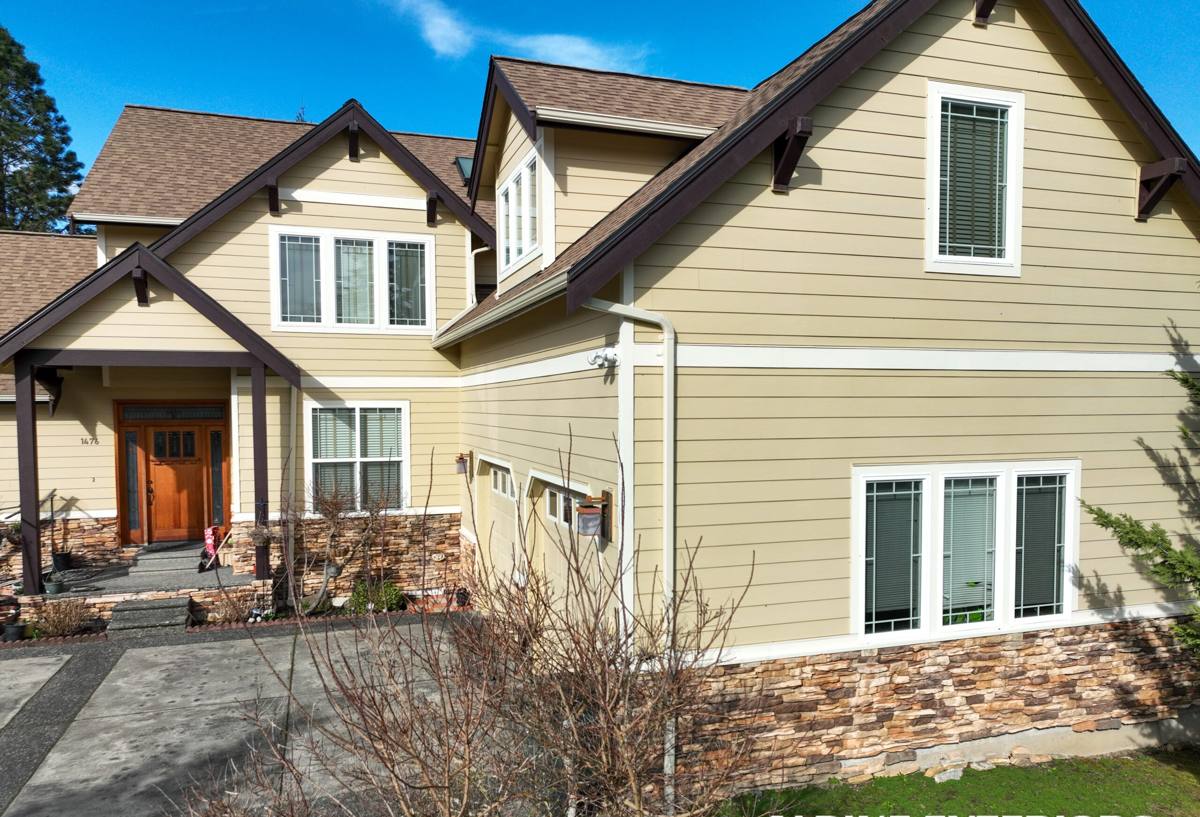
Common Roof Repair Issues We See in Shoreline Homes
Moss and Organic Growth
Moss doesn't just look bad — it works its way under shingle edges and lifts them, creating a path for water to get underneath. On shake and older composition roofs especially, moss growth left unaddressed for a few seasons can turn a simple cleaning job into a repair job, and eventually a section replacement. North-facing slopes and any part of the roof shaded by trees are usually the first places we check.
Flashing and Penetration Leaks
Most of the leaks we trace back to a cause aren't a failed shingle field — they're a flashing problem. Chimneys, skylights, plumbing vents, and roof-to-wall transitions all rely on flashing to stay watertight, and flashing is the first thing to fail as sealant dries out, metal corrodes, or a roof settles slightly over the years. Salt air in Shoreline's western neighborhoods can accelerate corrosion on lower-grade flashing metal.
Gutter and Drainage-Related Damage
A roof can be in decent shape and still leak if water isn't leaving it properly. Clogged or undersized gutters back water up under the roof edge, and poor drainage around valleys and low-slope sections is a common source of rot at the fascia and roof deck. In a climate that gets steady rainfall much of the year, drainage isn't a minor detail — it's part of the repair.
Wind and Storm Damage
Puget Sound storms bring gusty wind along with the rain, which can lift shingle tabs, crack ridge caps, or knock loose flashing that was already marginal. Damage like this is often small and localized, but if it's not sealed up promptly, one storm's minor damage becomes the entry point for the next storm's water intrusion.
What a Correct Roof Repair Actually Involves
A roof repair that actually solves the problem starts with finding the real source of the leak or damage, not just patching where the water showed up inside the house — water can travel along rafters or decking before it drips somewhere visible. A correct repair means:
- Tracing the leak or damage back to its actual origin point, not just the stain
- Removing and replacing any wet, rotted, or delaminated decking underneath — not covering over it
- Reflashing penetrations and transitions with proper metal and underlayment, not just adding sealant on top of old flashing
- Matching shingle or shake material as closely as reasonably possible so the repair blends into the existing roof plane
- Checking surrounding areas — valleys, adjacent flashing, nearby vents — since damage rarely stays perfectly contained to one spot
Sealant-only fixes are common shortcuts in this trade. They can look fine for a season or two, but sealant degrades faster than proper flashing work, especially with the amount of UV and rain cycling a Shoreline roof goes through year-round. We treat sealant as a finishing touch on correctly installed flashing, not a substitute for it.
Our Roof Repair Process
We keep the process straightforward because most homeowners just want the leak stopped and the roof made right without a lot of back-and-forth.
1. Inspection and Diagnosis
We get on the roof (and in the attic, when accessible) to find the actual source of the problem, not just the visible symptom. This includes checking the general condition of the surrounding roof area so we're not missing a second issue nearby.
2. Clear Explanation and Estimate
Before any work starts, we explain what we found, what caused it, and what the repair involves — in plain language, not trade jargon. You get a written estimate so there are no surprises.
3. The Repair
We do the work to the standard we'd want on our own homes: proper decking replacement where needed, correct flashing, matched materials, and attention to the details that determine whether a repair lasts five years or fifteen.
4. Cleanup and Follow-Up
We clear debris and old material from the property and walk you through what was done. If moss or debris buildup contributed to the problem, we'll flag it so you know what to watch for going forward.
Repair or Replace? How We Help You Decide
Not every roof problem needs a full replacement, and not every leak can be reasonably patched. We give you an honest read on which situation you're in rather than defaulting to the bigger job.
| Signal | Usually Points to Repair | Usually Points to Replacement |
|---|---|---|
| Age of roofing material | Roof is well within its expected lifespan | Roof is near or past its material's typical service life |
| Extent of damage | Localized to one area, section, or penetration | Widespread across multiple slopes or repeated trouble spots |
| Decking condition | Solid decking under the damaged area | Soft, rotted, or delaminated decking in multiple places |
| Moss/algae history | Growth is surface-level and recently treated | Long-term growth has caused shingle lifting across large areas |
| Repair history | First or infrequent repair on this roof | Recurring repairs in the same general areas |
Roofing Materials Common in Shoreline
Shoreline has a real mix of housing stock, and roof repair work has to account for what's already on the house.
Composition Shingle
The most common roofing material in the area, and generally the most straightforward to repair since replacement shingles are widely available and can be matched reasonably well to existing color and style.
Cedar Shake
Found on a number of older Shoreline homes. Shake repair takes more care — matching weathered wood tone and thickness, and making sure the repair doesn't disrupt the natural drainage pattern shake roofs depend on. Shake is also more susceptible to moss and moisture retention than composition shingle, which is worth factoring into a long-term maintenance plan.
Flat and Low-Slope Roofing
Additions, garages, and some home styles in the area use low-slope roofing systems, which fail differently than pitched roofs — usually through membrane seams, ponding water, or flashing at the roof edge. These need a repair approach specific to the material rather than shingle-style patching.
What Roof Repair Costs Depend On
We're not going to quote a number that doesn't reflect your actual roof, but here's what tends to move the cost up or down.
| Factor | Effect on Cost |
|---|---|
| Roof pitch and accessibility | Steeper or harder-to-access roofs take more time and safety setup |
| Extent of decking replacement | Rotted decking adds material and labor beyond surface repair |
| Material type | Shake and specialty materials generally cost more to repair than composition shingle |
| Number of penetrations involved | Each chimney, skylight, or vent needing reflashing adds time |
| Size of affected area | A single flashing fix is a much smaller job than a multi-section repair |
As a general guide, small, contained repairs (a section of flashing, a handful of shingles) tend to run in the low hundreds of dollars, while more involved repairs — rotted decking, multiple penetrations, or storm damage across a larger area — can run into the low thousands. We'll always give you specifics for your roof before any work begins.
Why Hire a Crew That Already Works in Shoreline
Roofing companies that work across the Seattle area regularly know how Shoreline's conditions differ even from neighboring parts of King County — the closer proximity to Puget Sound, the tree canopy in established neighborhoods, and the age range of the housing stock. That familiarity matters when diagnosing a leak: knowing that a particular home style tends to have a certain flashing detail, or that a given neighborhood's tree cover means moss should be checked even if the homeowner hasn't noticed it yet, saves time and prevents repeat visits.
It also matters for response time. Storm damage doesn't wait for a convenient week, and a crew already working in and around Shoreline can typically get eyes on a damaged roof faster than one dispatching from farther away — which matters when a compromised roof is left exposed to more rain.
Homeowner Roof Care Checklist
Between service visits, a few habits go a long way toward catching problems before they become expensive ones in this climate:
- Look at the roof from ground level after major storms for obviously lifted, missing, or displaced shingles
- Check for moss or algae streaking, especially on shaded, north-facing slopes
- Keep gutters and downspouts clear of leaves and debris, particularly in fall
- Trim back tree branches that overhang or touch the roof surface
- Watch for water stains on interior ceilings, which often show up well after a leak actually started
- Have the roof looked at professionally if it's due for its age or hasn't been inspected in several years
If you're seeing moss buildup, a stain on the ceiling, or storm damage on a Shoreline roof, we're happy to take a look and give you a straight answer on what it actually needs. Fill out the form below for a free, no-pressure estimate.