 Seattle
 Siding Built for How Green Lake Actually Weathers
Green Lake is one of the greener, more tree-shaded neighborhoods in Seattle, and that's exactly why siding here takes a different kind of beating than siding on a wide-open lot. Mature tree canopy keeps yards cool and streets shady, but it also keeps siding damp longer after every rain. Add in Seattle's long stretch of driving rain from fall through spring, the humidity that rolls off Puget Sound and settles over King County, and you get a climate that's genuinely hard on exterior materials — not because any one storm is severe, but because the exposure never really lets up.
Homes around Green Lake see months where siding barely gets a chance to fully dry between rain events. That kind of sustained dampness is what drives moss growth, slow paint failure, and — on the wrong material — swelling, delamination, or rot at the seams and butt joints. A siding installation done right for this neighborhood isn't just about the product; it's about detailing the job so water sheds fast and nothing stays wet long enough to cause damage.
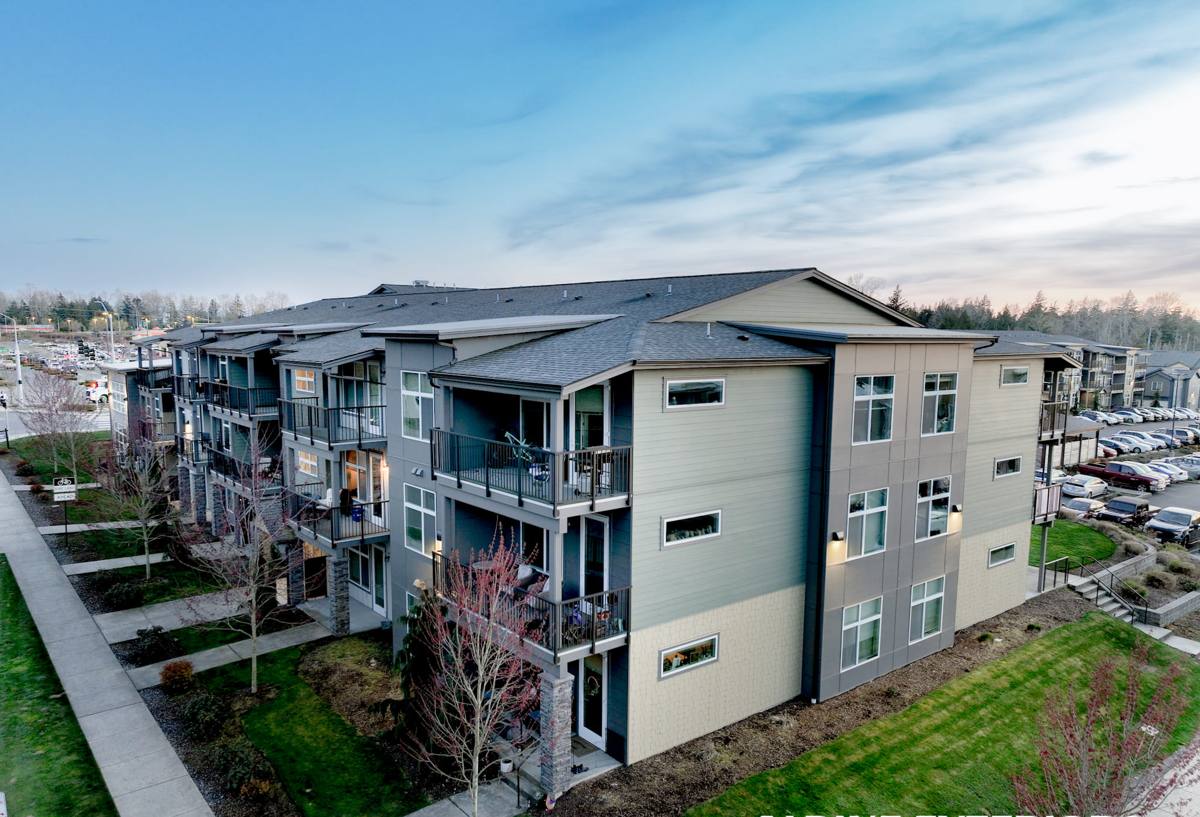
What Green Lake Homes Need From Their Siding
Moisture Management First
The single biggest factor in how long a siding job lasts in this neighborhood is moisture management — the water-resistive barrier, flashing at every window and door, proper drip caps, and correct clearance between the siding and grade, decks, and roof lines. Skip any of that and it doesn't matter how good the siding material is; water will find the gap.
Standing Up to a Long Moss Season
Shaded lots and tree cover mean moss and algae have a long runway to establish themselves on north-facing walls and anything under overhanging branches. Siding needs a factory finish that resists this kind of biological growth and doesn't require constant power-washing or re-coating just to stay presentable.
Salt Air and Humidity
Seattle's proximity to Puget Sound means a steady, low-level salt and moisture presence in the air across the region, which accelerates corrosion of poor-quality fasteners and trim, and softens up materials that aren't dimensionally stable when wet. Siding and the hardware behind it both need to be chosen with that in mind.
Why We Only Install James Hardie Fiber Cement
We've made a deliberate call to install James Hardie fiber cement siding exclusively — not vinyl, not LP SmartSide, not cedar or primed spruce, not Cemplank or Allura. That's not a marketing position; it's a standard we hold because of what we see on homes in exactly this kind of climate.
Vinyl siding is affordable and low-maintenance in dry climates, but in a wet, shaded neighborhood like Green Lake it traps moisture behind it more readily, can warp in temperature swings, and its seams give algae and moss more places to take hold. Wood-based products — cedar, primed spruce, and even engineered wood like LP SmartSide — depend heavily on paint and caulk staying intact; once a seal fails in a climate this consistently damp, moisture gets in and the clock starts on rot, swelling, or delamination. Other fiber cement brands compete reasonably on paper, but we've standardized on James Hardie because of the consistency of their manufacturing, the strength of their factory-applied ColorPlus finish, and how their HZ5 product line is specifically engineered for Pacific Northwest humidity and moisture cycling.
None of this means other products are junk — vinyl and wood siding have legitimate uses in the right climate and budget. It means that for the way this specific neighborhood weathers, we don't think they hold up as well as fiber cement engineered for exactly this exposure, and we'd rather install one product correctly than offer five and hope the cheapest one survives the moss season.
What Correct Installation Actually Involves
James Hardie siding is only as good as the installation behind it. The manufacturer's own warranty depends on the crew following their fastening, clearance, and flashing specifications — not general siding practice, but Hardie's specific requirements.
- Water-resistive barrier installed and lapped correctly before any siding goes up
- Flashing integrated at every window, door, and roof-to-wall transition
- Minimum ground clearance maintained so splash-back and grade moisture can't wick into the bottom course
- Correct fastener type, spacing, and depth per Hardie's published installation specs
- Proper gaps at butt joints and corners to allow for expansion without caulk doing all the work
- Factory-primed cut edges re-sealed on site, since a raw cut edge is the fastest path for water intrusion
- Trim and caulking details that shed water outward rather than holding it against the wall
Every one of these steps matters more in a climate that stays wet for long stretches than it would somewhere dry. A shortcut that might go unnoticed for a decade in Arizona can show up as a soft spot or moss-stained streak within a couple of wet Seattle winters.
Comparing Siding Options for a Green Lake Home
| Material | Moisture Behavior in This Climate | Maintenance Over Time | Our Position |
|---|---|---|---|
| Vinyl | Can trap moisture behind panels; seams offer footholds for moss/algae | Low, but prone to warping and fading over years of sun/rain cycling | Not installed |
| Cedar / primed spruce | Fully dependent on paint/seal integrity; vulnerable once seals fail | High — regular repainting and caulk maintenance required | Not installed |
| LP SmartSide (engineered wood) | Better than raw wood but still moisture-sensitive at cut edges and seams | Moderate — coating maintenance needed over the product's life | Not installed |
| Other fiber cement (Cemplank, Allura) | Generally solid moisture resistance as a category | Low to moderate | Not installed — we standardized on one brand |
| James Hardie fiber cement (HZ5) | Engineered specifically for humid, wet climates; resists swelling and moisture damage | Low — factory finish resists moss/algae and holds color | What we install |
Why Local Experience in Green Lake Matters
A crew that already works in this neighborhood understands things a generic installer has to learn on the job: which walls stay shaded and wet longest, how much clearance a given lot's tree cover and drainage really call for, and how the humidity and moss pressure specific to inland Seattle neighborhoods like this one differ from, say, a more exposed waterfront lot. That local pattern recognition shows up in small decisions — where to add extra flashing, how tight to run clearances near landscaping, which elevations need the most attention — that a crew unfamiliar with King County's climate might miss entirely.
It also matters for permitting and code familiarity. Seattle and King County have their own inspection expectations for exterior work, and a crew that pulls permits here regularly moves through that process without surprises or delays.
What the Installation Process Looks Like
A typical Hardie siding installation on a Green Lake home starts with an on-site evaluation of the existing siding, sheathing condition, and any moisture damage already present — this is often where hidden rot or failed flashing from a prior installation gets found. From there, we remove the old siding down to the sheathing, repair or replace any damaged framing, install a new water-resistive barrier and flashing system, and then install the Hardie panels or lap siding per manufacturer spec, followed by trim and final caulking.
Timeline depends on the size of the home and whether sheathing repairs are needed, but most single-family homes in this size range take a several-day to two-week window from tear-off to finish, weather permitting — and in this climate, we plan around rain rather than fighting through it.
What This Typically Costs
Siding installation cost depends on square footage, the number of stories, trim complexity, and how much sheathing repair is needed once the old siding comes off. James Hardie fiber cement generally costs more upfront than vinyl but less over the life of the product than repeated wood maintenance, thanks to its long service life and strong transferable warranty. We provide a firm, itemized quote after an on-site look at your home — not a phone estimate — because hidden moisture damage is common enough in this climate that guessing at cost without inspecting the walls does homeowners a disservice.
Signs Your Green Lake Home May Need New Siding Soon
- Persistent moss or algae staining that returns within months of cleaning
- Visible warping, bubbling, or soft spots when pressed, especially on shaded walls
- Paint that's peeling or alligatoring rather than just fading
- Gaps opening up at seams, corners, or trim boards
- Rising utility bills that suggest failing insulation behind the siding
- Visible rot or staining around window and door trim
Catching these signs early usually means a more contained repair; waiting typically means the damage has reached the sheathing, which turns a siding job into a bigger structural repair.
If you're seeing any of these signs on your Green Lake home, or you're just ready to stop fighting moss and moisture with the wrong siding, we're happy to take a look and put together a free, no-pressure estimate — no obligation, just a straight assessment of what your home actually needs.