 Seattle
 Why Window Performance Is Different in University District
University District sits inland from Puget Sound but still gets the full benefit of Seattle's marine climate — moisture-laden air moving in off the Sound, long stretches of driving rain from fall through spring, and enough shade under mature street trees to keep siding and window sills damp for days after a storm. None of that is unique to this neighborhood, but the housing stock here is: a dense mix of early-1900s craftsman houses, post-war bungalows, and small multifamily conversions near campus, many with original or early-replacement windows that were never built for today's energy codes.
Old single-pane or early dual-pane windows in this kind of housing don't just waste heat. In a climate this wet, they also let condensation build up on interior glass and sash tracks, which over years feeds the same moss and mildew problems homeowners fight on their roofs and north-facing siding. A correctly installed, energy-efficient window does two jobs at once here: it cuts heat loss, and it manages moisture instead of trapping it against wood trim.
What "Old Windows" Actually Cost You
Heat loss through glass and frames is the obvious cost, but in University District homes we more often find the bigger issue is air leakage around a warped or swollen frame — wood that's absorbed rain for twenty winters doesn't seal the way it did new. That leakage shows up as cold drafts near the sill, fogging between panes on older dual-pane units (a sign the seal has already failed), and higher heating bills that don't match how new or updated the rest of the house is.
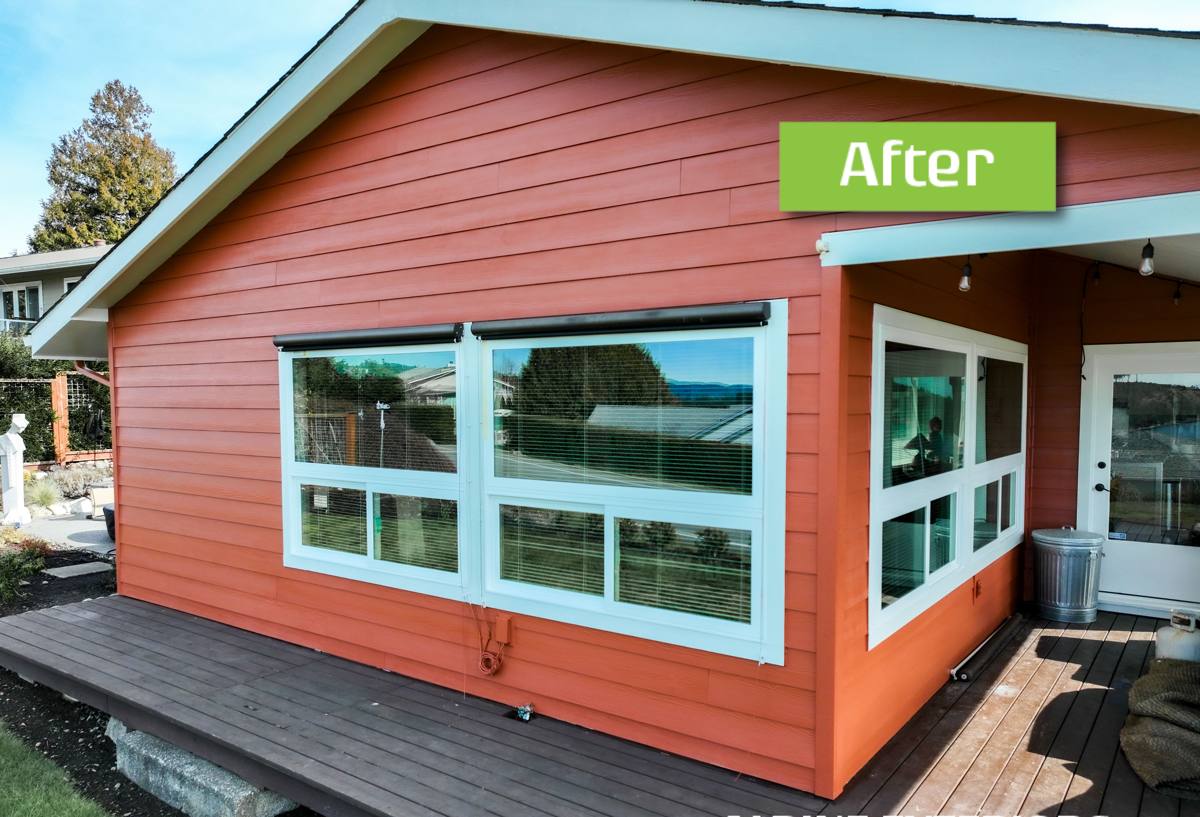
Signs a University District Home Is Ready for New Windows
- Visible fog or moisture trapped between panes of an existing dual-pane window — the seal is gone and the gas fill is too
- Sashes that are difficult to open or won't stay open, often from swelling in original wood-frame windows
- Cold drafts near the window frame on windy, rainy days even with the sash fully closed
- Visible wood rot, soft spots, or peeling paint at the sill or lower corners
- Condensation forming on the inside of the glass regularly, especially in bedrooms or basement-level units
- Noticeably higher street noise from campus-area traffic than you'd expect for a closed window
- Moss or dark staining creeping onto the exterior sill or trim from constant dampness
Any one of these on its own might just mean a tune-up or re-caulk. Several together, especially on a house with its original windows, usually means it's more cost-effective to replace than keep patching.
What Actually Makes a Window "Energy-Efficient" Here
Manufacturers throw around "energy-efficient" as a marketing label, but in a wet, mild-winter climate like King County's, the ratings that matter aren't the same ones that matter in a place with brutal cold or intense sun. We look at three numbers on the National Fenestration Rating Council (NFRC) label before anything else:
| Rating | What It Measures | Why It Matters in Seattle |
|---|---|---|
| U-Factor | How well the window resists heat loss (lower is better) | Our mild but long heating season rewards a low U-factor more than raw insulation value |
| SHGC (Solar Heat Gain Coefficient) | How much solar heat passes through the glass | Overcast conditions most of the year mean we don't need to fight solar gain as hard as a sunbelt climate would |
| Air Leakage (AL) | How much outside air passes through the assembly | Driving, wind-blown rain finds any gap — a low AL rating is as much about water intrusion as it is about drafts |
Frame material matters just as much as the glass package. We steer most University District homeowners toward vinyl or fiberglass frames rather than bare wood for anything facing weather, not because wood windows are a bad product, but because a wood frame in this rainfall pattern needs a maintenance commitment — repainting, re-caulking, checking for rot — that most owners of a busy rental or family home don't have time for. Fiberglass and quality vinyl frames handle repeated wet-dry cycling without swelling, warping, or feeding moss growth the way untreated or poorly maintained wood trim can.
Glass Packages Worth Paying For
Double-pane, low-E, argon-filled glass is the practical standard for this climate — it balances upfront cost against real energy savings. Triple-pane glass performs better on paper but adds weight, cost, and is usually overkill unless a home sits on a busy arterial and street noise from campus traffic is the primary complaint, not just energy loss. For most University District houses, a good double-pane low-E unit with a properly sealed, well-flashed installation outperforms a cheaply installed triple-pane window every time — installation quality matters more than the glass spec.
How We Handle Installation on Older University District Housing
Replacement window work on a house from this era isn't just popping a new unit into an old opening. Framing has usually shifted slightly over decades, sills may have hidden rot behind trim that looks fine from the outside, and older houses were often built without modern flashing details at all. Our process is built around catching that before it becomes a callback:
- On-site assessment — we check actual rough opening dimensions, sill condition, and look for existing moisture damage or rot before quoting anything
- Sill and flashing repair — any soft or damaged wood gets addressed first; installing a new window over a compromised sill just relocates the problem
- Proper flashing and weather barrier integration — this is the step that actually keeps driving rain out, more than the window itself
- Precise, shimmed installation — square and level so the sash operates correctly and seals evenly for the life of the window
- Interior and exterior sealing — insulated gap fill and weatherproof exterior caulking rated for our climate, not a generic caulk that hardens and cracks in a year
- Final operation and seal check — every window is opened, closed, and inspected before we call the job done
We work respectfully around occupied homes and rental properties near campus, including scheduling around student tenants when needed, and we clean up glass, packaging, and old sash material fully before we leave.
Matching Window Style to University District's Housing Stock
A lot of the neighborhood's charm is in its older architecture, and we try to preserve that rather than default every home to the same modern look. Craftsman-era houses generally look right with double-hung windows that echo the original divided-light pattern, even if the new unit is a modern energy-efficient assembly underneath. Post-war and mid-century homes often suit casement or sliding windows better, especially where the original sightlines were simpler. For multifamily and rental conversions, durability and ease of tenant use usually take priority over historical matching — we'll talk through what actually fits the building rather than pushing one style across every job.
What Energy-Efficient Windows Cost, and What Drives the Price
| Cost Factor | How It Affects Price |
|---|---|
| Frame material | Vinyl is typically the most budget-friendly; fiberglass costs more upfront but holds up longer with less maintenance |
| Glass package | Standard low-E double-pane vs. triple-pane or specialty coatings (sound-dampening, extra UV protection) |
| Number and size of openings | Larger and unusually shaped windows (bay, picture, arched) cost more per unit than standard sizes |
| Existing condition | Sill or frame rot discovered during removal adds repair time before the new window can go in |
| Access and building type | Second-story or upper-floor units on multifamily buildings can require more setup time than ground-floor work |
We won't quote a firm number without seeing the actual openings — anyone who does is guessing. What we can tell you honestly upfront is that replacing a full house of windows at once is almost always more cost-effective per unit than doing it one or two at a time over several years, both in material pricing and in avoiding repeat trip charges.
Why Hiring a Crew That Already Works in University District Matters
A contractor who works across King County generally knows Pacific Northwest weather. A contractor who's actually done window work in this specific neighborhood knows the particular quirks: the housing stock's age range, how common hidden sill rot is in homes that haven't been touched since the original construction, the permitting expectations the City of Seattle applies to exterior work on older residential buildings, and how to work efficiently around occupied rentals and shared driveways that are common near campus. That local familiarity shows up as fewer surprises mid-project and a quote that's realistic from the start rather than one that grows once the crew opens up the wall.
Keeping New Windows Performing Long-Term
- Wipe sills and tracks dry after heavy, wind-driven rain — standing water is what eventually breaks down even good seals
- Check exterior caulking once a year, typically before the fall rains start, and re-caulk any cracked or peeling sections
- Keep gutters and downspouts clear so runoff isn't sheeting directly down onto window heads
- Trim back tree branches or vegetation that keep a window in constant shade and dampness — this is what feeds moss and mildew growth around frames
- Operate every window through its full range a few times a year so hardware doesn't seize from disuse
- Have fogging or condensation between panes checked promptly — it means a seal has failed and the insulating gas is gone
If you're weighing whether your University District home's windows are worth repairing or replacing, or you just want a straight answer on what a proper energy-efficient upgrade would involve for your specific house, we're happy to take a look. Reach out for a free, no-pressure estimate using the form below.