 Seattle
 Metal Roofing Built for Wallingford's Weather
Wallingford homes deal with a specific combination of weather that wears on a roof year-round: long stretches of driving rain off Puget Sound, salt-laden air that moves through Seattle neighborhoods even away from the immediate waterfront, and a moss season that can run from fall through spring. A roof here isn't just shedding water for a few storms a year — it's under near-constant moisture load for months at a time. Metal roofing holds up well against that combination when it's specified and installed correctly for this climate, which is a different job than installing the same product in a dry inland market.
This page covers what metal roofing actually involves for a Wallingford home: the panel and finish choices that make sense here, what a correct installation looks like underneath the metal, how moss and algae interact with different roofing materials, and what our process looks like from first look to final walkthrough.
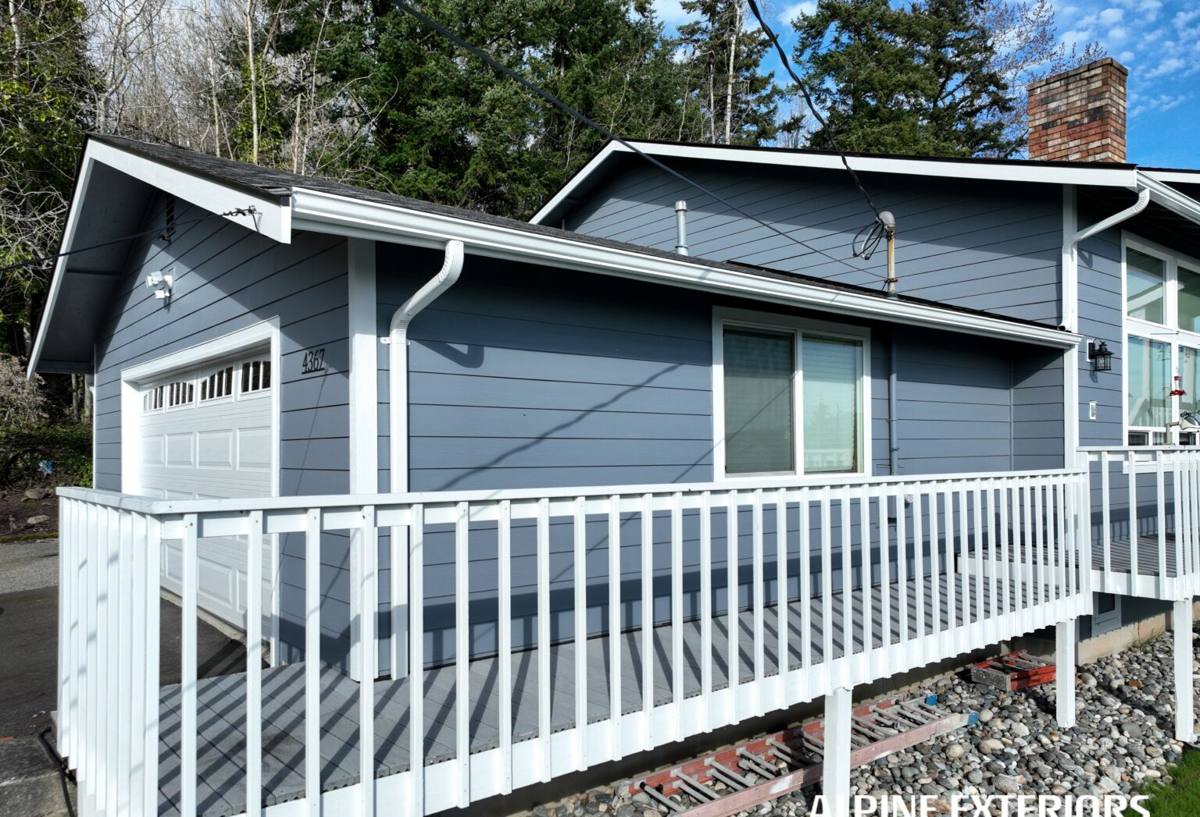
Why Metal Roofing Makes Sense for This Neighborhood
A lot of the housing stock in and around Wallingford is craftsman-era bungalows, foursquares, and mid-century homes with moderate roof pitches — the kind of roofline where standing seam and metal shingle profiles both look at home and perform well. Metal roofing brings a few real advantages that matter specifically in a King County climate:
- Moss resistance: Metal doesn't give moss and algae the porous surface they need to root the way asphalt shingles or cedar shake do, so growth is slower and easier to keep off with routine cleaning.
- Water shedding: A properly seamed metal roof sheds heavy, sustained rain fast, which matters during King County's wet season when a roof can go weeks without a real drying-out period.
- Longevity under repeat wet-dry cycling: Seattle's freeze-thaw is mild compared to inland climates, but the repeated soak-and-dry cycle still degrades organic roofing materials over time. Metal doesn't absorb water into its surface, so it isn't subject to the same slow breakdown.
- Wind and debris performance: Wallingford's tree canopy means falling branches and wind-driven debris are a real consideration; properly installed metal panels resist puncture and blow-off better than most other residential roofing materials.
None of that means metal is automatically the right call for every home or budget — it's a bigger upfront investment than asphalt, and we'll tell you honestly if a tear-off asphalt replacement is the more sensible choice for your roof, your timeline, or your budget. But for homeowners planning to stay put and wanting to stop dealing with moss, algae staining, and repeat maintenance, metal is usually the better long-term answer in this climate.
Choosing the Right Metal Roofing System
"Metal roofing" covers more than one product, and the differences matter more in a wet, mossy climate than in a dry one. Here's how the common options compare for a Wallingford home:
| System | How It Sheds Water | Moss/Algae Behavior | Best Fit |
|---|---|---|---|
| Standing seam | Raised, mechanically or hand-crimped seams with no exposed fasteners on the field of the panel | Very low growth — few seams for debris and moisture to collect against | Homes wanting the longest maintenance-free stretch and a clean, modern or classic look |
| Exposed-fastener panels | Overlapping ribbed panels fastened through the face | Moderate — fastener washers and lap seams are places moss and debris can start to hold | Budget-conscious projects, outbuildings, or roofs where cost matters more than the longest possible service life |
| Metal shingles/shakes | Interlocking stamped panels that mimic shingle or shake profiles | Low to moderate, depending on profile depth and how well debris sheds off the texture | Homes wanting a traditional roofline appearance with metal's durability |
Material and coating matter as much as profile. Steel panels with a quality painted or coated finish are the common choice for this region — aluminum is a reasonable option too, particularly for homes closer to open water where salt exposure is a bigger factor, since aluminum doesn't rust the way uncoated or poorly coated steel can over time. We'll walk you through what fits your specific roof, budget, and how long you're planning to stay in the home.
What a Correct Installation Actually Involves
The panels themselves get most of the attention, but a metal roof's performance in a wet climate is decided mostly by what's underneath and around them. A correct installation includes:
Underlayment and moisture barrier
A high-temperature-rated synthetic underlayment (not felt paper) goes down first, with self-adhered ice-and-water membrane at eaves, valleys, and any low-slope transitions — the spots where water sits longest and wind-driven rain is most likely to work its way under the panels.
Ventilation
Metal roofs need a ventilated air space or a properly detailed ventilation path to prevent condensation from forming on the underside of the panels. Skipping this is one of the most common corner-cutting mistakes in metal roofing — it doesn't show up as a leak on day one, it shows up as hidden moisture damage a few years in.
Flashing at every penetration and transition
Chimneys, skylights, vent pipes, valleys, and wall-to-roof transitions all need custom-formed flashing, not generic trim pieces caulked into place. Caulk is a maintenance item, not a water barrier — flashing geometry is what actually keeps water out over the long run.
Fastening and panel movement
Metal panels expand and contract with temperature swings. Fastening systems need to allow for that movement, particularly on longer panel runs, or the panels can oil-can, loosen, or stress the seams over time.
Edge and eave detailing
Drip edges, gutter aprons, and eave trim need to be sized and formed to actually direct water into the gutter system rather than behind it — a detail that matters even more during King County's extended wet season when gutters are handling sustained flow, not just short bursts.
How Moss and Salt Air Affect the Job
Two climate factors shape how we approach a metal roof in this neighborhood specifically:
Moss season. Wallingford's tree cover and consistent moisture create ideal conditions for moss growth for much of the year. Metal resists rooting far better than organic roofing materials, but debris — needles, leaves, seed pods — still needs to be kept off valleys and behind any roof-mounted obstruction, or moss and algae can still get a foothold in trapped organic matter even on a metal surface. Panel profile and valley detailing that shed debris cleanly reduce how often that maintenance is needed.
Salt air. Seattle sits on Puget Sound, and salt-bearing air reaches well beyond the immediate waterfront on windy days. Salt exposure accelerates corrosion on unprotected or poorly coated metal, particularly at cut edges, fastener heads, and fabricated flashing. Coating quality and touching up any field-cut panel edges with the correct sealant matter more here than they would in a dry inland climate.
Our Process
We keep the process straightforward and communicate at each stage, since a roof replacement is disruptive and you deserve to know what's happening and why:
- On-site assessment. We inspect the existing roof, decking condition, ventilation, and any problem areas — valleys, chimneys, skylights — and take measurements.
- System recommendation and honest quote. We walk you through panel and finish options that fit your home, your budget, and how long you plan to stay, with a clear written estimate — no pressure, no upsell tactics.
- Tear-off and deck inspection. We remove the existing roofing down to the deck and check for any rot or damage that needs repair before new roofing goes down — patching over a compromised deck is how "new roofs" fail early.
- Underlayment, flashing, and ventilation install. This is the part of the job that determines long-term performance, and we don't rush it.
- Panel installation. Panels go down with correct fastening and expansion allowance, formed and fitted to your specific roofline rather than forced to a generic layout.
- Final walkthrough. We review the finished roof with you, cover basic maintenance, and make sure any questions are answered before we consider the job done.
What Affects Cost
Metal roofing costs more up front than asphalt, and the range on any given home depends on several factors:
| Factor | Why It Matters |
|---|---|
| Panel system chosen | Standing seam typically costs more than exposed-fastener panels due to labor and material |
| Roof complexity | Valleys, dormers, and multiple roof planes require more custom flashing and labor time |
| Deck condition | Rotten or damaged decking found during tear-off adds repair cost before new roofing goes on |
| Tear-off scope | Removing multiple existing layers costs more than a single-layer tear-off |
| Accessibility | Steep pitches or difficult site access affect labor time and staging |
We'll give you a broad honest range early on and a firm written number once we've seen the roof in person — we don't believe in lowball quotes that grow once the crew is already on site.
Maintenance to Expect
Metal roofing is genuinely lower-maintenance than asphalt or wood, but "low-maintenance" isn't "no-maintenance" in a climate like this one. A reasonable annual routine covers most of what a Wallingford roof needs:
- Clear leaves, needles, and debris from valleys and low points at least once a year, ideally before the wet season builds
- Keep gutters and downspouts flowing freely so water isn't backing up under eave trim
- Trim back overhanging branches to reduce debris load and prevent limb strikes
- Do a visual check after major windstorms for lifted flashing or panel movement
- Rinse off any moss or algae buildup gently rather than pressure-washing, which can damage finishes and seams
Why It Matters That We Already Work in Wallingford
A roofing crew that regularly works this part of Seattle already knows the pattern of problems that show up on these homes — where moss tends to build up fastest, how much salt-air exposure to plan for depending on which direction a roof faces, and what the local building department expects for permitting on a reroof. That familiarity shows up in fewer surprises during tear-off and fewer callbacks after the job is done. It also means we're not learning King County's climate demands on your roof — we're applying what we already know works here.
If you're weighing a metal roof for your Wallingford home, or you're not sure yet whether metal or asphalt is the better fit for your situation, we're happy to take a look and give you a straight answer. Reach out for a free, no-pressure estimate using the form below.