 Seattle
 Ballard's Climate Is Harder on Windows Than People Expect
Ballard sits close to Salmon Bay and the Puget Sound waterfront, which means homes here deal with more than the average Seattle rainfall. There's a steady salt-air element in the mix, near-constant humidity, and a moss season that can stretch for most of the year on shaded north- and west-facing walls. None of that is dramatic on its own, but combined, it's exactly the kind of slow, patient exposure that finds every weak point in a window install. A window that would hold up fine in a drier inland neighborhood can fail early in Ballard if the flashing, sealant, or frame material wasn't matched to what this specific location throws at a house.
This page is about one job done right in one place: window installation for Ballard homes, in the context of King County's marine climate. Not a general overview of windows — the specific decisions that matter when your house is a few blocks from tidal water and under tree cover for half the year.
What Ballard's Housing Stock Means for This Job
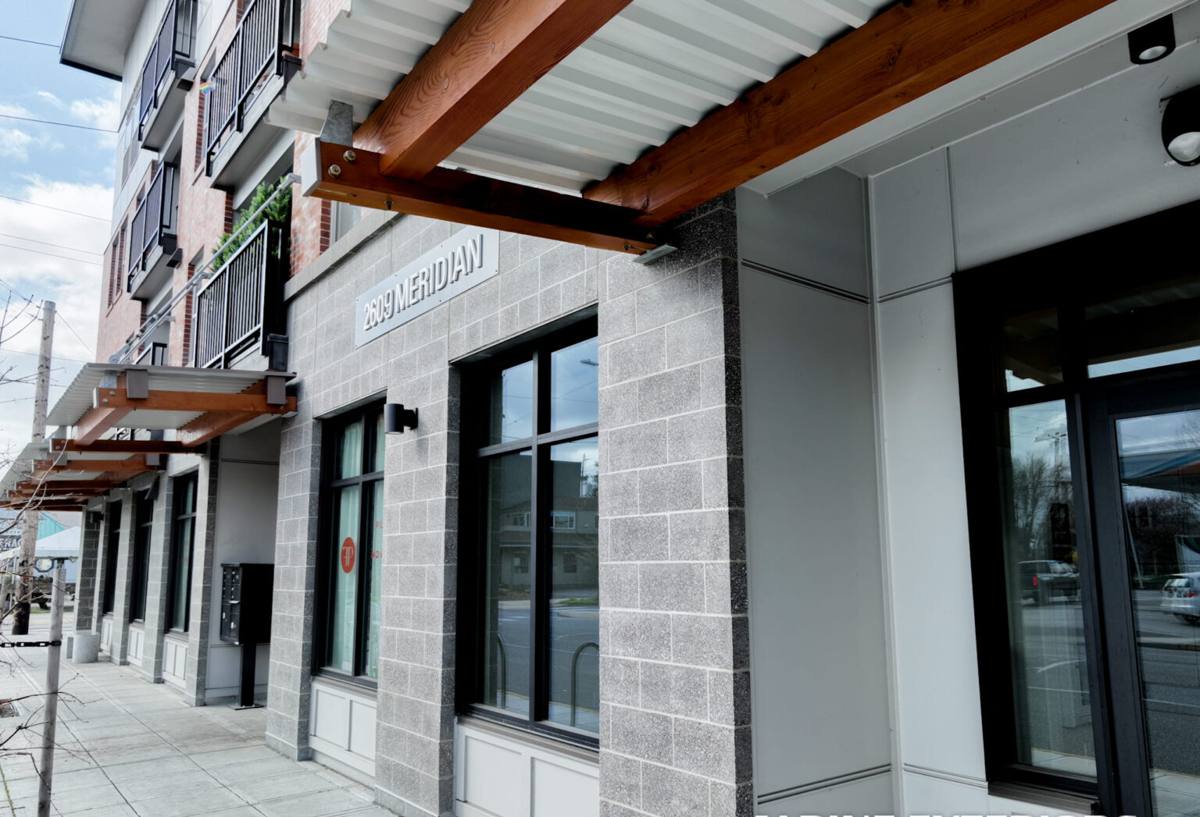
Ballard has a mix of older bungalows and craftsman-style homes alongside newer infill construction. The older homes often still have original wood window openings, sometimes with rough openings that have shifted slightly over decades of seasonal moisture cycling. That matters because a window installer working from a generic measurement, without checking the opening for square, level, and rot, can install a technically correct window into a compromised opening — and it will leak or fail early no matter how good the window itself is.
Newer construction in the neighborhood tends to have more standardized openings, but even those need proper flashing integration with whatever water-resistive barrier and siding system is already on the wall. The job isn't just "put window in hole." It's making sure the window becomes part of a continuous drainage plane that moves water back out, not into the wall cavity.
Common Signs a Ballard Home's Windows Are Failing
- Fogging or a persistent haze between the panes of a double-pane unit — the seal has failed and the gas fill is gone
- Soft or discolored wood at the sill or lower frame corners, especially on walls facing prevailing wind and rain
- Visible moss or dark streaking growing on or just above the window trim
- Drafts you can feel with a hand near the frame on a windy day, even with the window latched
- Windows that stick, won't stay open, or need force to latch — often a sign the frame has racked out of square
- Noticeably higher heating bills in a room with older single-pane or early-generation double-pane windows
What Correct Window Installation Actually Involves
A window installation is judged almost entirely by the parts you can't see once it's done. The window itself — vinyl, fiberglass, or wood-clad — is only one piece. The waterproofing details around it determine whether that window lasts 20 years or leaks into the wall framing within five.
The Non-Negotiable Steps
- Opening inspection — checking for square, level, plumb, and any existing rot or water staining before anything is removed
- Careful removal — taking out the old unit without tearing the surrounding siding or trim more than necessary
- Sill pan flashing — a sloped, sealed pan at the bottom of the opening so any water that gets past the window sheds back outside instead of pooling on the sill
- Proper flashing integration — side and head flashing that laps correctly with the wall's existing water-resistive barrier, following a shingle-style overlap so water always moves downward and outward
- Shimming and leveling — the window is set plumb, level, and square, then shimmed at the right points so it operates smoothly and doesn't bind or sag over time
- Insulation of the gap — low-expansion foam or backer rod and sealant around the frame, avoiding over-filling that can bow the frame inward
- Interior and exterior sealing — sealant beads placed to control air and water movement without trapping moisture inside the wall assembly
- Trim and finish work — restoring casing, brick mold, or siding tie-ins so the finished look matches the house
Skip or rush any one of these steps and the window can still look fine for a year or two. In Ballard's climate, problems from a shortcut installation tend to show up as rot inside the wall long before they're visible from the outside — which is the expensive way to find out.
Choosing the Right Frame Material for This Exposure
Frame material matters more near the water than it does a few miles inland. Salt-laden air accelerates corrosion on metal components and hardware, and constant damp conditions punish materials that absorb moisture or need regular refinishing.
| Frame Material | Moisture / Salt Air Behavior | Maintenance | Best Fit |
|---|---|---|---|
| Vinyl | Won't rot or corrode; performs well in damp, salty air | Low — occasional cleaning | Most Ballard homes prioritizing value and low upkeep |
| Fiberglass | Very stable in temperature and moisture swings; strong resistance to warping | Low | Larger openings, homes wanting a slimmer sightline with strength |
| Wood-clad | Interior wood warmth with an exterior cladding to handle weather, but cladding seams need attention | Moderate — inspect seams and finishes periodically | Homes prioritizing a traditional wood interior look |
| Aluminum | Conducts cold and can corrode faster in salt-influenced air without a quality finish | Moderate to high | Limited use cases; we're selective about where we recommend it here |
We don't rule out any material outright, but we do talk homeowners through the real trade-offs for a marine-influenced neighborhood like Ballard rather than defaulting to whatever's cheapest or most common. A window that needs more upkeep than a homeowner wants to give it isn't a good fit, even if it performs well on paper.
Retrofit (Pocket) Replacement vs. Full-Frame Replacement
One of the first decisions on any project is whether the existing frame stays in place (a retrofit or "pocket" install) or comes out entirely (full-frame replacement). This isn't a one-size-fits-all call, and it's one of the places where an installer's honesty matters most.
When a Retrofit Makes Sense
If the existing frame is square, dry, and structurally sound, a retrofit window can be installed into it with new interior flashing and sealant, saving labor and avoiding disturbing surrounding siding or trim. This works well on many newer Ballard homes and on older homes where the openings have been well maintained.
When Full-Frame Replacement Is the Right Call
If there's rot, the opening is out of square, or the existing flashing has already failed and let water into the wall, a retrofit just seals a problem back up instead of fixing it. Full-frame replacement removes the old frame entirely, exposes the rough opening, and lets us address any hidden damage before the new window and flashing go in. It costs more in labor, but it's the only honest option when the wall behind the window isn't in good shape.
We won't recommend the cheaper retrofit option just to win a bid if the opening doesn't support it — that's the kind of shortcut that shows up as a callback two winters later.
Energy Performance and Condensation Control
Window performance in Seattle's climate is less about extreme cold and more about managing constant moisture and temperature swings between a heated interior and a damp exterior. A few factors matter more here than in drier climates:
- U-factor — how well the window resists heat transfer; lower is better for keeping heating costs down through our long wet season
- Condensation resistance — a rating that indicates how well a window resists interior fogging or moisture buildup, relevant in bathrooms, kitchens, and bedrooms where indoor humidity is higher
- Air leakage rating — lower ratings mean less drafty performance during the windy, wet stretches typical of a Puget Sound winter
- Glass coatings — low-E coatings help manage solar heat gain and interior comfort year-round without changing how the glass looks
None of these numbers matter if the installation around the window is sloppy — a high-performance window installed with poor flashing will still let air and water in around the edges. Performance and installation quality are two separate questions, and both need to be right.
Our Process, Start to Finish
We keep the process straightforward and try to minimize disruption to the household:
- An on-site assessment of each window opening, checking for rot, square, and existing flashing condition
- A walkthrough of retrofit vs. full-frame options for each opening, with the reasoning explained plainly
- A written estimate covering material options, labor, and timeline
- Careful removal and disposal of old windows, with the work area protected
- Flashing, sealing, and setting each new window to the standards outlined above
- Interior and exterior finish work to match the existing trim
- A final walkthrough so you can see the operation and sealing before we call the job done
Why Hiring a Crew That Already Works in Ballard Matters
A crew that regularly works Ballard's housing stock has already seen how these homes age — where moss tends to build up, which wall orientations take the worst of the driving rain, and how older openings typically shift over time. That familiarity shortens the assessment phase and reduces surprises mid-project. It also means we're used to King County and Seattle permitting expectations for window replacement, so paperwork doesn't become a delay.
Just as important, working the same neighborhoods repeatedly means our reputation is tied to the work still standing three, five, and ten years later — not just to the day the crew leaves the job site. That's the kind of accountability that's hard to fake and easy to lose.
Get a Straight Answer About Your Windows
If you're dealing with drafts, fogged glass, sticking sashes, or just want an honest read on whether your current windows are holding up to Ballard's weather, we're happy to take a look. There's no pressure and no sales script — just a straight assessment of what your windows need and what the options actually cost. Use the form below to request a free estimate.